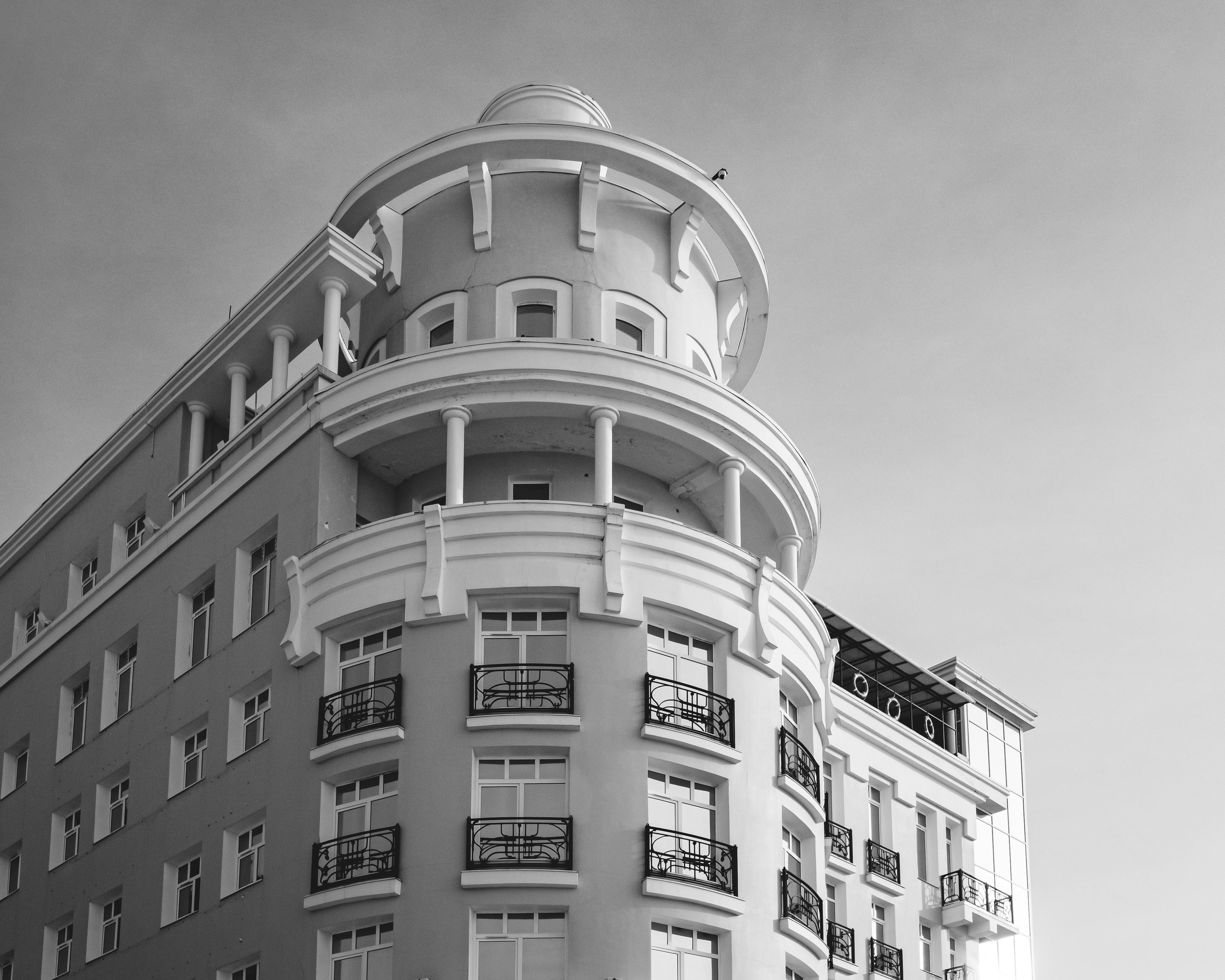
After nearly a decade of development, Bedrock Detroit has officially completed the first tower at the historic Hudson’s Department Store site, opening ground-floor retail spaces that mark a significant milestone in the downtown revitalization project.
The 735,000-square-foot residential and mixed-use tower, located at 12 Gratiot Avenue, now welcomes its first tenants and shoppers following its February 2026 completion. The project transforms the iconic 1911 building, once a shopping destination for generations of Metro Detroiters, into a modern urban living and commercial hub.
Bedrock Development Company, the real estate firm founded by Quicken Loans founder Dan Gilbert, has filled approximately 18,500 square feet of ground-floor retail space with a mix of local and national brands. The completed tower includes 400 residential units spread across 31 floors, with the ground level activated by shops, restaurants, and entertainment venues.
A Landmark Transformation
The Hudson’s site project represents one of Detroit’s most ambitious downtown revitalization efforts. The original Hudson’s Department Store closed in 1983, leaving a vacant shell that became a symbol of downtown decline. For decades, the building sat largely dormant, its massive structure deteriorating as the retail landscape fundamentally shifted away from traditional department stores.
Bedrock acquired the building in 2017 and spent approximately four years on architectural planning and regulatory approvals before construction began in late 2021. The developer invested over $850 million in the redevelopment, making it one of the largest private investments in downtown Detroit’s recent history.
“This opening represents the fulfillment of a vision we shared years ago when we first looked at this magnificent structure,” said a Bedrock Development spokesperson during the February opening ceremony. “We saw potential where others saw only abandonment.”
Ground-Floor Retail Drive
The newly activated ground floor features a diverse tenant roster. Local businesses occupy approximately 40 percent of the retail space, including restaurants, specialty shops, and service providers that cater to both residents and downtown workers. National retailers including a flagship fitness center, a major coffee chain, and several dining concepts round out the mix.
Among the opening tenants is Parlor, a Detroit-based coffee roaster that opened its first retail location in the tower. The company, founded in 2015, views the Hudson’s location as a major expansion of its brand presence downtown. Another local anchor tenant is Zingerman’s Deli, the Ann Arbor-based food institution that opened its first Detroit location in the retail space.
The retail strategy emphasizes pedestrian activation along Gratiot Avenue and connecting streets. Large ground-floor windows, outdoor seating areas, and mixed-use programming encourage downtown traffic and create what planners call “street-facing vitality.”
Residential Units and Market Response
The 400 residential units in the tower range from studios to two-bedroom apartments, with rents starting at $1,400 monthly for studios and reaching $2,800 for larger units. As of February 2026, approximately 340 units are occupied, with the remaining leases signed by future move-in dates.
Market response to residential units has exceeded developer expectations. The building offers amenities including a 12,000-square-foot fitness center, rooftop garden space, a co-working facility, and a residents’ lounge on the 31st floor with panoramic downtown views.
“We designed these units for contemporary urban living,” explained the development team. “High ceilings, abundant natural light, and flexible floor plans appeal to young professionals and empty-nesters seeking downtown lifestyles.”
Downtown Impact and Future Plans
The Hudson’s tower opening arrives as downtown Detroit continues its population and economic expansion. The area has added nearly 8,000 new residents since 2010, with commercial investment accelerating across multiple blocks.
Bedrock has announced plans for a second tower on the Hudson’s site campus, which will be roughly the same scale as the completed structure. The company has not provided a timeline for the second phase but indicated that planning and preliminary design work continues.
Other major projects on downtown’s horizon include the Detroit Amazon Hub expansion, additional residential conversions of historic buildings, and various commercial developments. The Hudson’s completion signals developer confidence in downtown’s residential market and long-term viability.
Looking Forward
The opening celebration included remarks from Detroit Mayor Mike Duggan and other city officials. The mayor highlighted the project’s role in reducing the approximately 100,000-square-foot vacant building footprint downtown since 2015.
“Projects like Hudson’s prove that Detroit’s downtown can compete with any major American city,” Duggan stated. “We’re attracting residents, creating jobs, and rebuilding the neighborhoods that defined this city.”
Bedrock Detroit continues to manage over 100 properties across downtown, making it the largest private property owner in the district. The Hudson’s completion establishes a new template for heritage preservation paired with modern urban development.