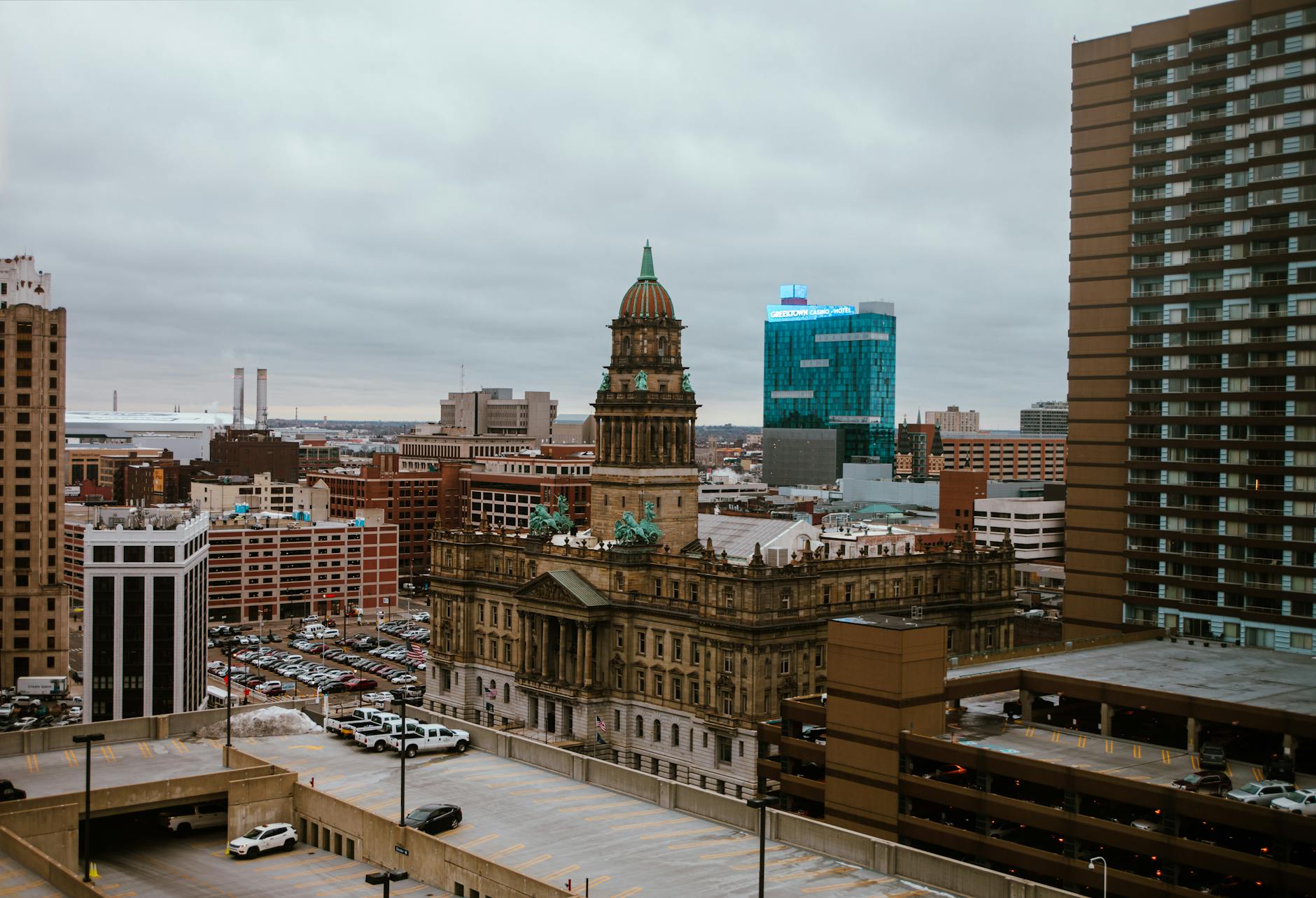
A wave of venture capital is transforming Midtown Detroit into one of the Midwest’s fastest-growing technology hubs, with investors committing $200 million in new funding to fuel startups and established tech companies along the Woodward Avenue corridor.
The investment surge, announced this week by the Detroit Regional Chamber of Commerce and confirmed by multiple development firms, represents the largest influx of tech-focused capital into the city in a single year. Major venture capital firms from Silicon Valley, Chicago, and the East Coast are backing the expansion, signaling renewed confidence in Detroit’s digital economy.
Momentum Building in Midtown
The transformation centers on a roughly two-mile stretch of Woodward Avenue between Martin Luther King Boulevard and Grand Boulevard, where tech companies, digital design firms, and software developers have clustered over the past five years. This corridor now hosts more than 150 technology-related businesses employing approximately 3,200 workers.
Jennifer Chen, director of economic development for the city of Detroit, described the investment as validation of the city’s strategic focus on technology and innovation. “We’ve been positioning Detroit as a tech destination for years, and now we’re seeing the results,” Chen said in an interview Friday. “This capital will accelerate job creation and attract even more companies to our city.”
The announcement comes as Midtown continues its transformation from a neighborhood of vacant buildings and underutilized space into a vibrant urban center. Major institutions like Wayne State University, the Detroit Institute of Arts, and the University of Detroit Mercy have anchored the area for decades, but commercial investment has accelerated dramatically since 2020.
Key Projects and Companies
Several major projects are driving the investment wave. Tech incubator LaunchPad Detroit announced a $45 million expansion this month that will add 80,000 square feet of office and development space to its headquarters at 2000 Woodward Avenue. The facility currently serves 34 early-stage companies and expects to support 60 by 2028.
“We’re seeing entrepreneurs who previously would have left Detroit stay here and build their companies,” said LaunchPad founder Marcus Washington. “The availability of venture capital, combined with lower operating costs than coastal tech hubs, makes Detroit incredibly attractive.”
Two other major tech companies announced major expansions. Fintech firm Computrols, founded in Detroit in 2010, will move its headquarters to a new 40,000-square-foot facility at 1300 Woodward Avenue, consolidating offices currently spread across multiple locations. The company plans to hire 120 employees over the next two years, bringing its Detroit workforce to 280.
Software development company Thoughtworks also committed to opening a new design studio in Midtown, with plans to hire 60 designers and engineers within 18 months. The company currently operates offices in 45 cities worldwide but identified Detroit as a priority expansion market.
Investor Confidence Grows
Venture capital firms backing the expansion include Foundry Group, a Boulder-based venture fund with $5 billion under management, and Lowercase Capital, based in San Francisco. Both firms established dedicated investment tracks focused on Detroit startups.
“Detroit has the ingredients for a thriving tech ecosystem: affordable real estate, engineering talent, a strong university presence, and now a critical mass of other tech companies,” said Brad Feld, partner at Foundry Group. “We expect the next three years to see exponential growth.”
Local investors are also participating. The Detroit Venture Partners fund, established in 2018, deployed $32 million from the $200 million total, according to the chamber announcement. The fund focuses exclusively on Michigan-based technology startups.
Private real estate developers are capitalizing on the demand. Roxbury Properties, a Detroit-based developer, announced plans to convert the historic Kales Building at 909 Woodward Avenue into a 120,000-square-foot mixed-use facility combining office space, a startup accelerator, and retail. The $35 million project breaks ground in May.
Challenges Ahead
Despite the optimism, challenges remain. Affordable housing has become scarcer as investment pours into Midtown, risking displacement of long-time residents. Community advocates have urged city officials to require affordable housing percentages in new residential developments.
Jaqueline Wilson, executive director of the Midtown Detroit Community Partnership, acknowledged both excitement and concern about rapid growth. “We want tech companies here, and we want the jobs they bring,” Wilson said. “But we also need to ensure existing residents benefit and aren’t priced out of their neighborhood.”
City planners are also grappling with transportation and infrastructure strain. The area lacks sufficient parking, and public transit remains limited compared to other major U.S. cities. The Detroit Department of Transportation announced a plan to expand bus service along Woodward Avenue, with implementation expected by fall 2027.
Looking Forward
City officials project the tech corridor will create 1,000 net new jobs by 2029, generating an estimated $180 million in additional annual economic activity. Tech industry leaders say Detroit’s trajectory could rival smaller tech hubs like Austin and Boulder within a decade.
“We’re in the early stages of something significant,” said Chen. “This capital injection validates that Detroit is a serious contender in the global tech economy.”