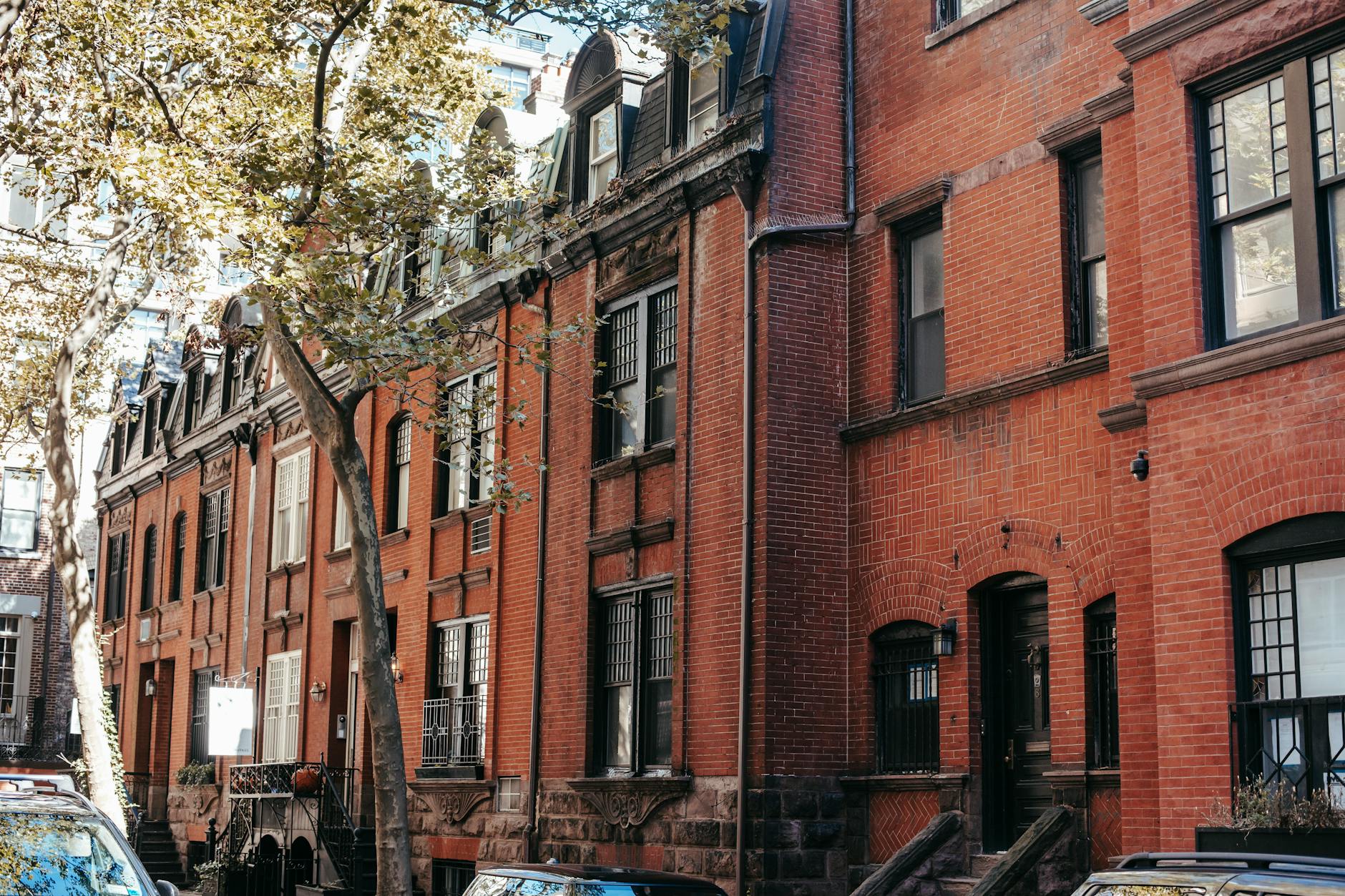
After years of vacant windows and boarded-up buildings, Livernois Avenue is experiencing a retail renaissance. Twelve new fashion-focused storefronts are opening along the Livernois-McNichols corridor, marking the most significant commercial development the neighborhood has seen in over a decade.
The revitalization effort, spearheaded by the Livernois Avenue Community Development Corporation and local real estate developer James Mitchell, represents a $4.2 million investment in the historically significant shopping district. The first wave of retailers is expected to open their doors by mid-March.
“This is about reclaiming what Livernois Avenue used to be,” said Mitchell, whose development firm has been working on the project since 2023. “People remember when this strip was the place to shop. We’re bringing that energy back.”
The Lineup of New Retailers
The twelve storefronts will feature a mix of established local businesses and emerging Black-owned fashion brands. Anchor tenants include Detroit-based boutique “Threads & Heritage,” which specializes in contemporary African-inspired clothing, and “Sole Sisters,” a women-focused sneaker and activewear shop founded by two sisters from the neighborhood.
Other confirmed retailers include a vintage clothing cooperative run by students from Cass Technical High School, a sustainable fashion resale shop called “Second Life Threads,” and three independent designers opening their first brick-and-mortar locations. The remaining four storefronts are still finalizing negotiations, according to LACDC executive director Patricia Johnson.
“We were very intentional about who we brought to this corridor,” Johnson said in an interview at the LACDC offices on McNichols. “We didn’t want chain stores. We wanted businesses that reflect the culture and creativity of this community.”
Community Investment and Local Hiring
As part of the development agreement, retailers have committed to hiring at least 85 full-time and part-time employees from the Livernois-McNichols area. Several stores are offering job training programs through partnerships with Wayne County Community College and the Detroit at Work initiative.
Mitchell’s development firm also invested $600,000 in facade improvements and streetscape upgrades. New decorative street lighting, planted medians, and improved sidewalks now line the avenue between Seven Mile Road and McNichols Avenue. The project included removing 14 abandoned vehicles that had cluttered the district for years.
“The physical transformation is just the beginning,” said Councilwoman Gail Denise Thurston, whose district includes Livernois-McNichols. “This shows that neighborhoods like ours are desirable destinations. People want to invest here because they believe in the community.”
Challenges and Timeline
The revitalization did not happen without obstacles. The project faced delays related to property acquisition and environmental remediation. Two of the buildings required extensive lead abatement and structural repairs before they could be leased. Construction timelines extended into 2025, pushing back the original opening date of late 2024.
Local residents also expressed concerns about rising rents in the area. Property values along Livernois Avenue have increased by 22 percent since the revitalization project was announced, according to data from the Detroit Real Estate Board. Some long-term renters worry about displacement.
Johnson acknowledged these concerns and pointed to ongoing efforts to preserve affordability. The LACDC has partnered with Detroit Housing Forward to provide rent stabilization assistance to qualified tenants and secured $1.8 million in community development grants to support affordable housing initiatives in the neighborhood.
“We’re not trying to push people out,” she said. “We’re trying to build wealth for the people who are already here.”
Historical Significance
Livernois Avenue’s commercial corridor flourished in the mid-20th century. Historical records show the area once boasted more than 40 retail shops, restaurants, and entertainment venues. The district served as a major shopping destination for Detroit’s northwest side throughout the 1950s and 1960s.
The decline accelerated after the 1967 uprising and accelerated through the 1980s and 1990s as suburban shopping malls pulled customers away from traditional retail corridors. By 2020, fewer than eight active retail businesses remained on the avenue.
“This revitalization is about honoring that history while creating something new,” said Dr. Michael Harper, a Wayne State University historian specializing in Detroit’s commercial districts. “Livernois Avenue can become a model for how neighborhoods reclaim their commercial identity.”
Looking Ahead
Plans for phase two of the revitalization include opening a 2,500-square-foot community event space and a restaurant incubator kitchen. Johnson estimates these additions could arrive by late 2026.
Mitchell is also exploring the possibility of extending the revitalization further south on Livernois toward Eight Mile Road, though those plans remain preliminary.
For now, retailers are preparing their spaces and hiring staff. Threads & Heritage owner Keisha Williams, who grew up in the neighborhood, said opening on Livernois felt like coming home.
“My grandmother used to take me shopping on this avenue,” Williams said. “To be opening my store here, to be part of bringing it back to life, it’s a dream I didn’t know I had.”
The first storefronts are expected to open March 15, with the remaining locations opening throughout April and May.