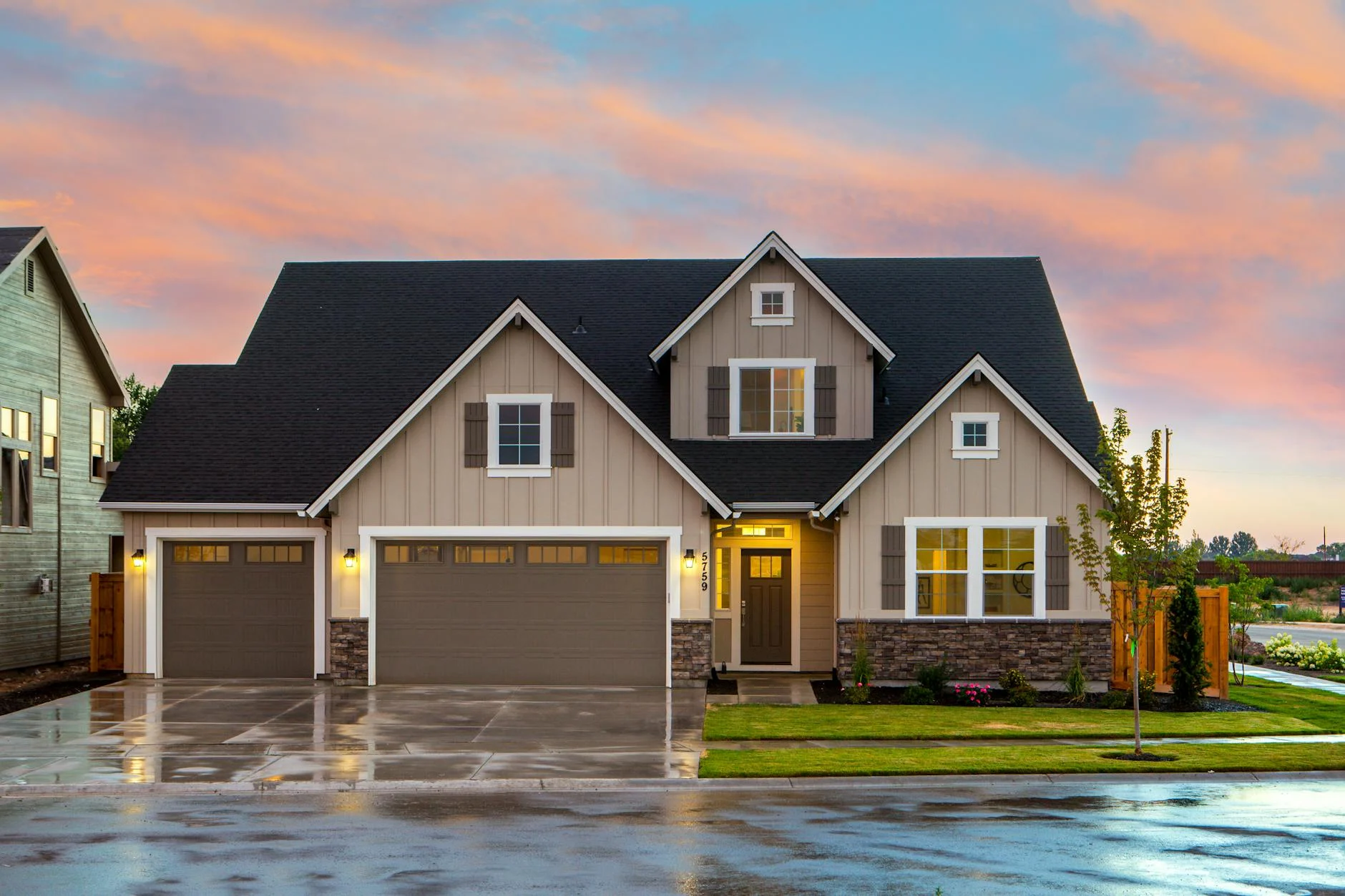
The Woodbridge Neighborhood Association has won the prestigious National Community Development Award, recognizing the organization’s decade-long effort to transform one of Detroit’s oldest neighborhoods into a thriving residential and cultural destination.
The award, presented by the National Association of Community Development Professionals on March 3, highlights Woodbridge’s success in combining historic preservation with new investment while maintaining the neighborhood’s character and keeping longtime residents from being displaced.
“This recognition validates what we’ve been doing all along,” said Jennifer Martinez, executive director of the Woodbridge Neighborhood Association, during a phone interview Tuesday. “We didn’t want to see our community erased. We wanted to build something sustainable that belongs to the people who’ve been here.”
Woodbridge, located roughly two miles northwest of downtown Detroit, has emerged as one of the city’s most dynamic neighborhoods over the past 10 years. The area, which struggled with vacancy rates exceeding 40 percent in the early 2010s, now boasts an occupancy rate above 85 percent according to the association’s latest data.
From Decline to Destination
The neighborhood’s revival began in 2014 when a group of residents and property owners formed the Woodbridge Neighborhood Association with a simple mission: stabilize the community while preserving its architectural heritage and ensuring longtime residents could afford to stay.
The association purchased 12 vacant properties between 2015 and 2018, rehabilitating them and selling or leasing them to residents at below-market rates. This strategy directly prevented displacement of approximately 40 households during the neighborhood’s early revitalization phase.
“We understood that revitalization without equity just creates a different problem,” Martinez explained. “Our founders saw what happened in other neighborhoods. They were determined not to repeat those mistakes.”
The association also launched the Woodbridge Community Land Trust in 2017, acquiring property and removing it from the speculative real estate market. The land trust currently controls 18 properties that house 56 households, all paying rents that remain fixed below market rate in perpetuity.
Cultural Programming and Business Development
Beyond housing, the association invested heavily in cultural programming and small business development. The organization operates the Woodbridge Arts Collective, a gallery and performance space housed in a restored 1920s warehouse at 3939 Woodbridge Street. The venue hosts monthly art exhibitions, live music events, and hosts artist residencies.
“The arts became our anchor for community identity,” said Marcus Thompson, community engagement coordinator for the association. “People moved here because of the creative energy we were building. That helped stabilize the neighborhood in ways that housing alone couldn’t.”
The association also established a small business incubator program in 2019, providing grants, technical assistance, and affordable retail space to entrepreneurs. Seventeen businesses have launched through the program, generating roughly 85 jobs according to association data.
Recognition from National Experts
The National Community Development Award puts Woodbridge in the company of neighborhoods nationwide that have successfully balanced growth with equity. The award committee selected Woodbridge from among 43 applicants nationwide, citing the association’s data-driven approach and measurable impact on community stability.
“What impressed us most was the combination of housing preservation, business development, and cultural investment,” said Dr. Patricia Chen, chair of the awards committee, in a statement. “Woodbridge demonstrates that revitalization doesn’t have to mean displacement when community organizations lead the process.”
The award comes with $50,000 in funding that the association plans to dedicate to expanding its commercial property acquisition fund. Martinez said the organization intends to purchase three additional commercial properties on Woodbridge Street within the next two years to house locally owned businesses.
Challenges Ahead
Still, the neighborhood faces ongoing challenges. Woodbridge’s median household income remains around $38,000, roughly 30 percent below Detroit’s city median. The association is working to attract quality jobs to the neighborhood while preventing speculation that could inflate property values beyond what current residents can afford.
A new development proposal announced last month for a mixed-use building at Woodbridge and 39th Street has sparked community debate. The association is negotiating with developers to ensure that 30 percent of the residential units remain affordable, a higher percentage than the city requires.
“Awards are wonderful validation,” Martinez said. “But our real measure of success is whether Ms. Johnson, who’s lived on this block for 35 years, can still afford her home. That’s what we’re focused on.”
The neighborhood association will celebrate the award at a community gathering scheduled for April 12 at the Woodbridge Arts Collective, with remarks from city officials and community members.