Woodhaven drivers have heard it before. The gates drop, the lights flash, and whatever plans you had for the next ten minutes evaporate. You sit. You wait. You watch a freight train that seems to have no particular urgency crawl through the crossing, car after car after car, while your coffee goes cold in the cupholder.
That familiar frustration is finally getting a real answer. A major road project has kicked off in Woodhaven aimed at giving motorists a legitimate alternative to the train crossing that has bottlenecked daily life in this downriver community for years. The project won’t be finished overnight, and there is real construction disruption ahead before things improve. But for a stretch of road that has earned a regional reputation for swallowing commute times whole, movement is progress.
The Crossing That Ate Your Morning
Woodhaven sits in the southern stretch of Wayne County, a working community of roughly 13,000 people where the industrial character of downriver Detroit meets quieter residential streets. For anyone commuting through it, or through it to reach Trenton, Riverview, Brownstown Township, or points south, the train crossing has been an unavoidable fact of life.
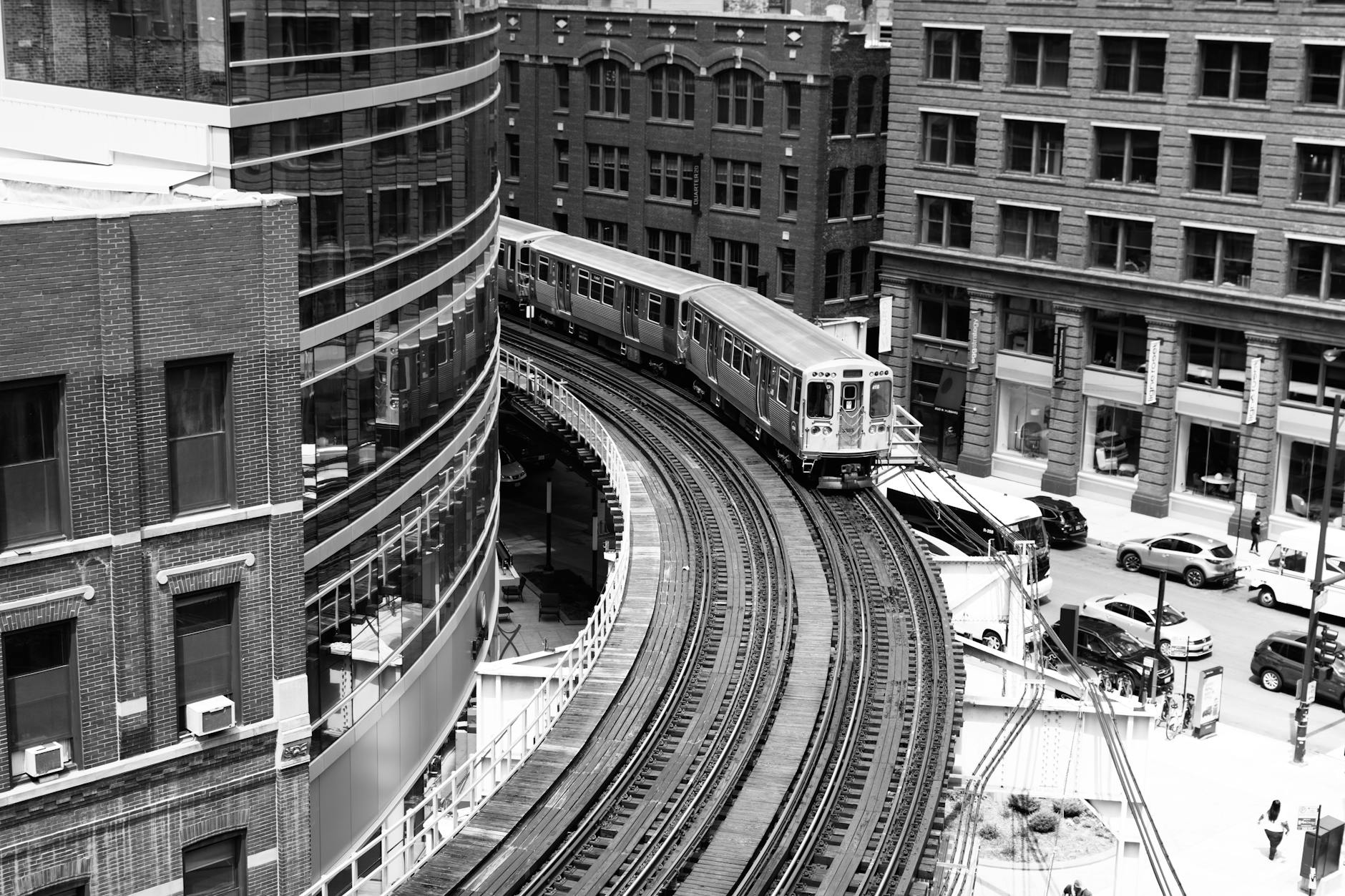
Freight rail doesn’t operate on your schedule. The lines running through this corridor carry industrial traffic serving the region’s manufacturing base, and trains move when they move. A single crossing event can hold traffic for five, ten, sometimes fifteen minutes. Stack a couple of those into a morning commute and you’ve added a genuinely unpredictable variable to a drive that people cannot afford to have be unpredictable. Workers miss punch-in times. Parents miss school drop-off windows. Delivery drivers blow their routes.
Businesses along the affected corridors have absorbed the cost in quieter ways. A customer who got stuck at the crossing once might not come back. A lunch rush that should run from 11:30 to 1:00 gets compressed because half the crowd arrives late. Service calls get delayed. These are the kinds of friction costs that don’t show up in any single line item, but they compound over time into real economic drag on a community that doesn’t need more headwinds.
The crossing has also shaped how people in surrounding communities think about Woodhaven as a through-route. When drivers know a crossing is unpredictable, they route around it when they can, pushing traffic onto surface streets that weren’t designed for that volume. The whole network absorbs the stress.
What the Project Actually Does
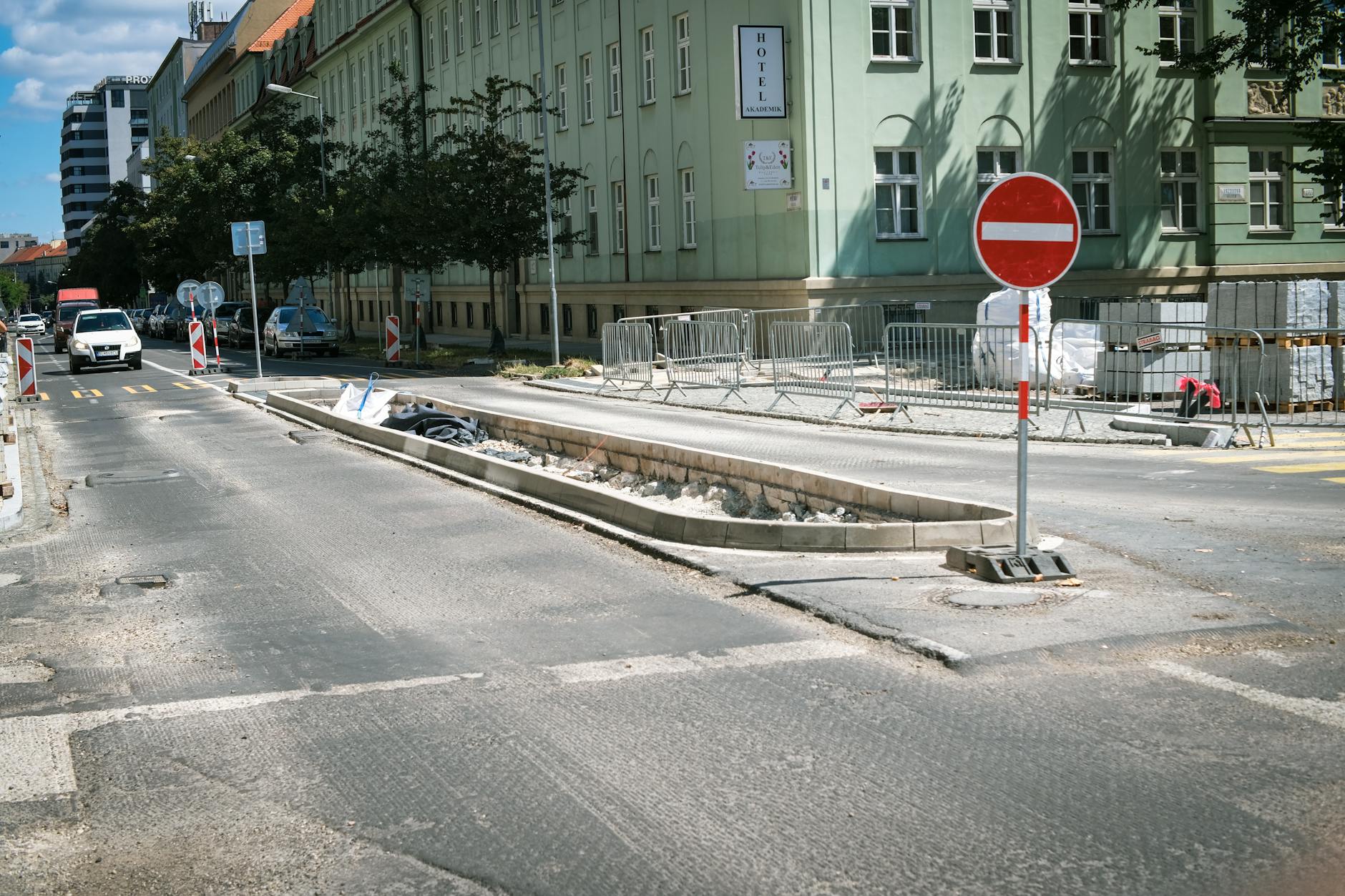
The road project now underway addresses the problem directly by giving drivers an alternative path that bypasses the crossing entirely. Rather than forcing every vehicle through the at-grade crossing and hoping the timing works out, the plan creates a route that takes train traffic out of the equation for motorists.
The construction comes first. Michigan’s infrastructure reality means that getting to the solution requires living through the disruption of building it. Expect lane restrictions, detours, and the general managed chaos that defines any meaningful road work in this state. The project represents a real investment of public resources into a problem that has been on the radar of local planners and frustrated commuters alike for a long time. (See also: Teen’s DIY Pothole Repair in Dearborn Heights Goes Viral)
The funding involves a combination of state and local sources typical for this scale of Wayne County infrastructure work. Projects of this type in Michigan generally draw on Michigan Department of Transportation resources, federal infrastructure dollars that have flowed more readily since recent federal infrastructure legislation, and county participation. Woodhaven’s location within Wayne County and its proximity to major commuter corridors makes it the kind of project that qualifies for that multi-source funding mix.
How Downriver Feels It
The downriver communities share infrastructure in ways that don’t always get acknowledged in regional planning conversations. Trenton and Riverview residents heading north toward employment centers in Wayne County and the city pass through Woodhaven corridors. Brownstown Township traffic funnels through the same network. Gibraltar, Flat Rock, and communities further south all feed into the same roads. (See also: Google DTE Energy Data Center Deal Southeast Michigan)
When one chokepoint is as consistent and disruptive as this crossing has been, the pain radiates. It’s not just a Woodhaven problem. It’s a downriver problem, and one that tends to fall lower on the priority list than flashier regional infrastructure debates. That’s part of why it has persisted as long as it has.
The people who feel it most are the ones who don’t have flexibility. If you’re a salaried professional working remotely, a train crossing is an annoyance. If you’re an hourly worker at one of the manufacturing facilities that anchor downriver’s economy, arriving late because of a crossing delay isn’t just inconvenient. It can cost you. The commuters who’ve built their morning routines around leaving early enough to absorb a potential crossing delay, who’ve done the mental math on when to roll the dice on this route versus adding miles to avoid it, they’re the ones who will feel the relief of this project most directly.
What Comes Next
The alternative route being built will reshape how traffic moves through this part of Woodhaven by removing the binary choice that has defined driving here: take the crossing and gamble, or add distance and time to go around. When the project completes, that calculus changes.
In the near term, the construction phase demands patience. Michigan road projects carry their own rhythm, and anyone driving through the Woodhaven area should expect adjusted travel times during the build-out. Local traffic apps will reflect construction-related slowdowns. Businesses near the active work zones may see foot traffic shift. These are temporary costs with a defined endpoint, which makes them fundamentally different from the indefinite frustration of the crossing itself.
A firm public completion timeline hasn’t been set, but projects of this scope in the Michigan construction season typically work toward getting the most disruptive work done before winter conditions shut down paving and major earthwork. The 2026 construction season started with this project already in motion, which positions it for meaningful progress before the calendar turns again.
Putting It in Context
Woodhaven is one of dozens of downriver communities that often feel like an afterthought in regional infrastructure conversations. The big money and the big headlines tend to follow the major freeways, the bridge approaches, the projects that serve the most raw volume. A train crossing in a 13,000-person city in southern Wayne County isn’t going to trend regionally on its own.
But that’s exactly the kind of project that shapes quality of life in a concrete, daily way for the people who live there. Downriver residents are practical people. They’re not asking for much. They’re asking for roads that work. They’re asking for their commute to be predictable. They’re asking not to be stuck behind a freight train when they’re already running five minutes late and the daycare closes at six.
This project gives them something they haven’t had in years on this particular corridor: a reasonable expectation that the route will move. That’s not a small thing for a community that has absorbed this disruption as a cost of living downriver.
The Bigger Picture
Metro Detroit’s infrastructure challenges aren’t going away. The region has aging roads, complicated freight rail corridors that cross residential and commercial areas, and a car-dependent geography that puts enormous stress on surface streets. The federal infrastructure investment flowing into Michigan over the past few years has given planners more tools to address projects that fell below the funding threshold in leaner years.
Woodhaven’s train crossing fix is one example of that investment reaching communities that needed it. It won’t make headlines the way a new bridge does. The ribbon-cutting, whenever it comes, won’t draw a crowd from outside the zip code. But for the person who has sat at that crossing a hundred times, done the math on whether they can make it to work on time, and built their daily routine around a freight train’s unpredictable schedule, the completion of this project will register as something real. Something overdue. Something that finally went right.
That’s the kind of infrastructure story that matters most in this region. Not the ones that transform the skyline. The ones that give working people their time back.