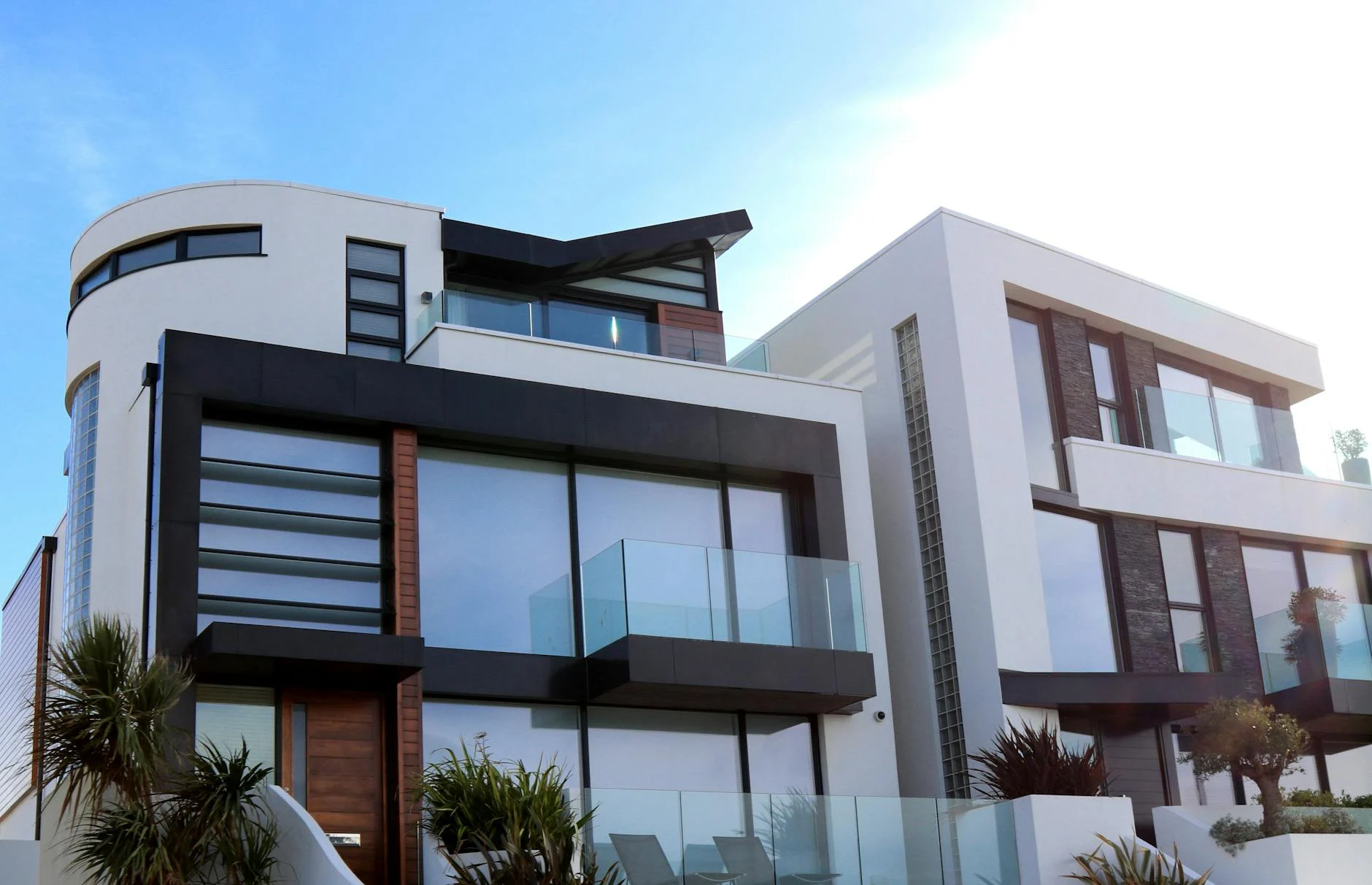
A groundbreaking ceremony on a vacant lot near Joseph Campau Avenue marked the official start of construction on Islandview’s largest affordable housing development in over a decade. The 120-unit complex will provide homes for roughly 250 residents at rents significantly below Detroit’s median market rate, addressing a critical shortage of affordable units in one of the city’s historically working-class neighborhoods.
The project, called Campau Commons, broke ground on March 15 with city officials, community leaders, and residents gathering under clear skies to celebrate the $68 million development. The complex will occupy a 3.2-acre parcel that has sat mostly vacant since the closure of an industrial facility in 2008.
A Long Time Coming
Islandview has experienced decades of disinvestment followed by rapid gentrification in recent years. The neighborhood’s median rent increased 34 percent between 2015 and 2024, pricing out long-term residents and threatening the community’s character.
“This project represents a commitment to ensuring Islandview remains a place where working people can afford to live,” said Angela Richardson, executive director of the Islandview Community Coalition. “We’ve watched too many neighbors forced to leave because they couldn’t keep up with rising rents.”
The development was made possible through a combination of funding sources including $32 million in low-income housing tax credits, $18 million in state and federal grants, and $15 million in financing from First Independence Bank, one of the nation’s largest Black-owned banks.
Breaking Down the Numbers
Campau Commons will contain studio, one-bedroom, two-bedroom, and three-bedroom units. Approximately 60 percent of units will be reserved for residents earning 30 to 50 percent of the area median income, while 40 percent will serve those earning up to 60 percent of median income.
For a single individual in Detroit, the area median income stands at approximately $32,000 annually. This means the lowest-income units will be affordable to someone earning around $9,600 per year, with rents capped at roughly $240 per month for a studio apartment.
“These affordability levels are exceptionally deep,” said Marcus Washington, director of housing policy for the Detroit Housing Coalition. “Most affordable housing developments serve people at 80 percent of median income. This goes much deeper and serves our most vulnerable residents.”
The development will also include 287 parking spaces, a community center, and ground-floor retail space intended to attract neighborhood-serving businesses. Construction is expected to be completed by fall 2027.
Community Benefits Beyond Housing
Developers committed to dedicating 15 percent of construction jobs to residents living within a two-mile radius of the site. Local hiring goals require 25 percent of the construction workforce to come from the surrounding community, with apprenticeship opportunities provided through the Detroit Building and Construction Trades Council.
“We’re not just building apartments,” said Jennifer Kim, senior vice president of development for Neighborhood Ventures, the lead developer. “We’re creating economic opportunities for residents right now through construction work, and long-term through permanent jobs in the community center and retail spaces.”
The community center will offer job training programs, childcare services, and space for resident meetings and events. Retail space will be leased at below-market rates to encourage neighborhood-oriented businesses.
Campau Commons also incorporates sustainability features including rooftop solar panels, rainwater harvesting systems, and energy-efficient appliances. The development aims for LEED certification, reducing operating costs and lowering utility bills for residents.
Responding to Housing Crisis
Detroit faces a severe shortage of affordable housing. According to a 2024 analysis by the Detroit Future City initiative, the city needs approximately 85,000 additional units affordable to households earning under 50 percent of area median income.
“One 120-unit project doesn’t solve the crisis,” acknowledged Mayor Mike Duggan during remarks at the groundbreaking. “But projects like this demonstrate our commitment to meeting housing needs while protecting our neighborhoods from displacement.”
The success of Campau Commons could serve as a model for future developments. Two additional projects using similar financing structures and community benefit agreements are already in planning stages for the Corktown and Midtown neighborhoods.
What’s Next for Residents
A lottery system will determine priority for the first 60 units, with preferences given to current Islandview residents and Detroit residents earning under 30 percent of area median income. The remaining units will be filled through first-come, first-served applications.
The project comes as Detroit has made housing a centerpiece of its development strategy. Between 2015 and 2025, the city issued permits for over 8,400 residential units, though affordability remains a persistent challenge.
Residents waiting to apply can register for updates through the Islandview Community Coalition’s website. Further application details and income verification requirements will be announced this fall.