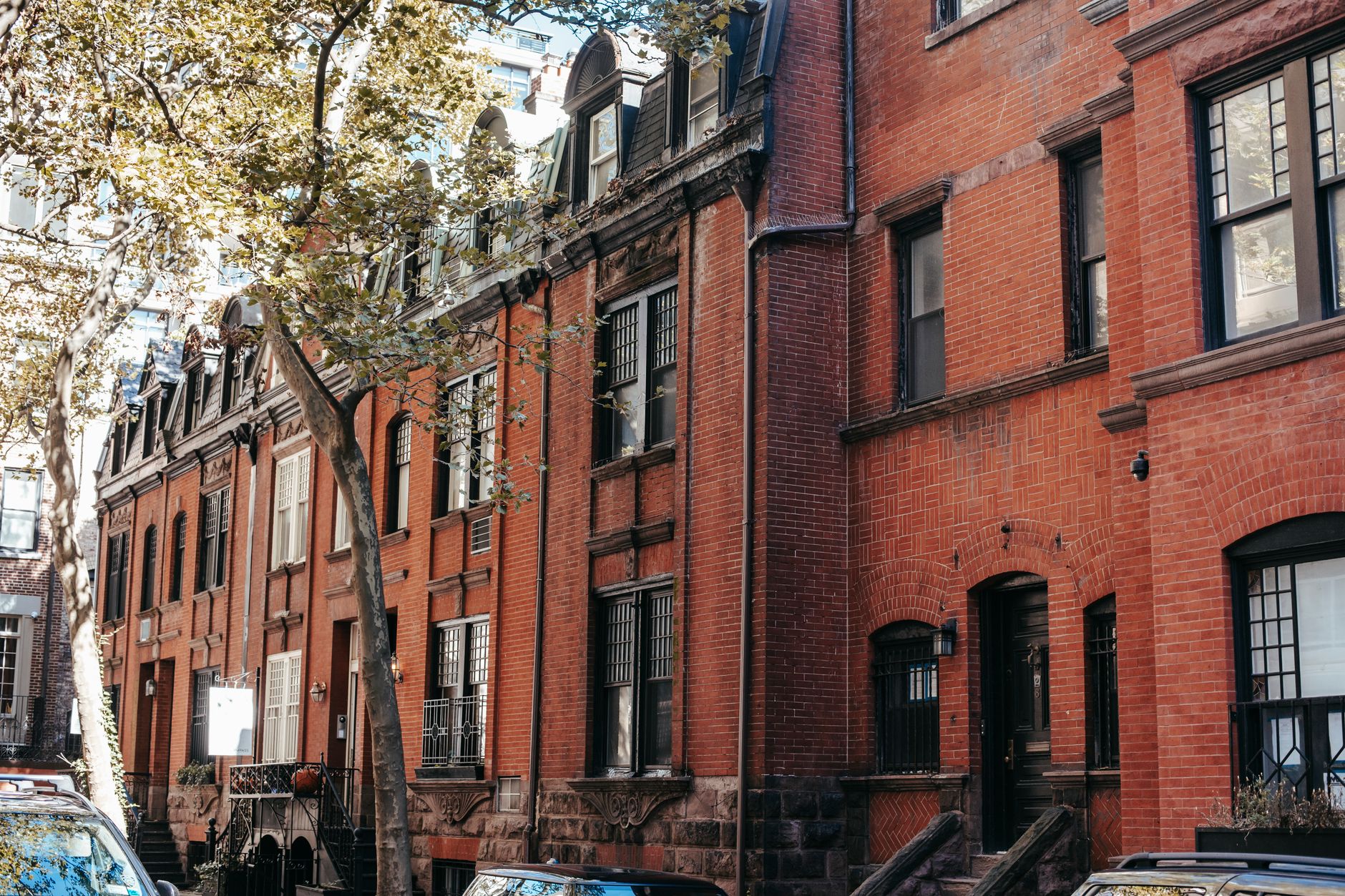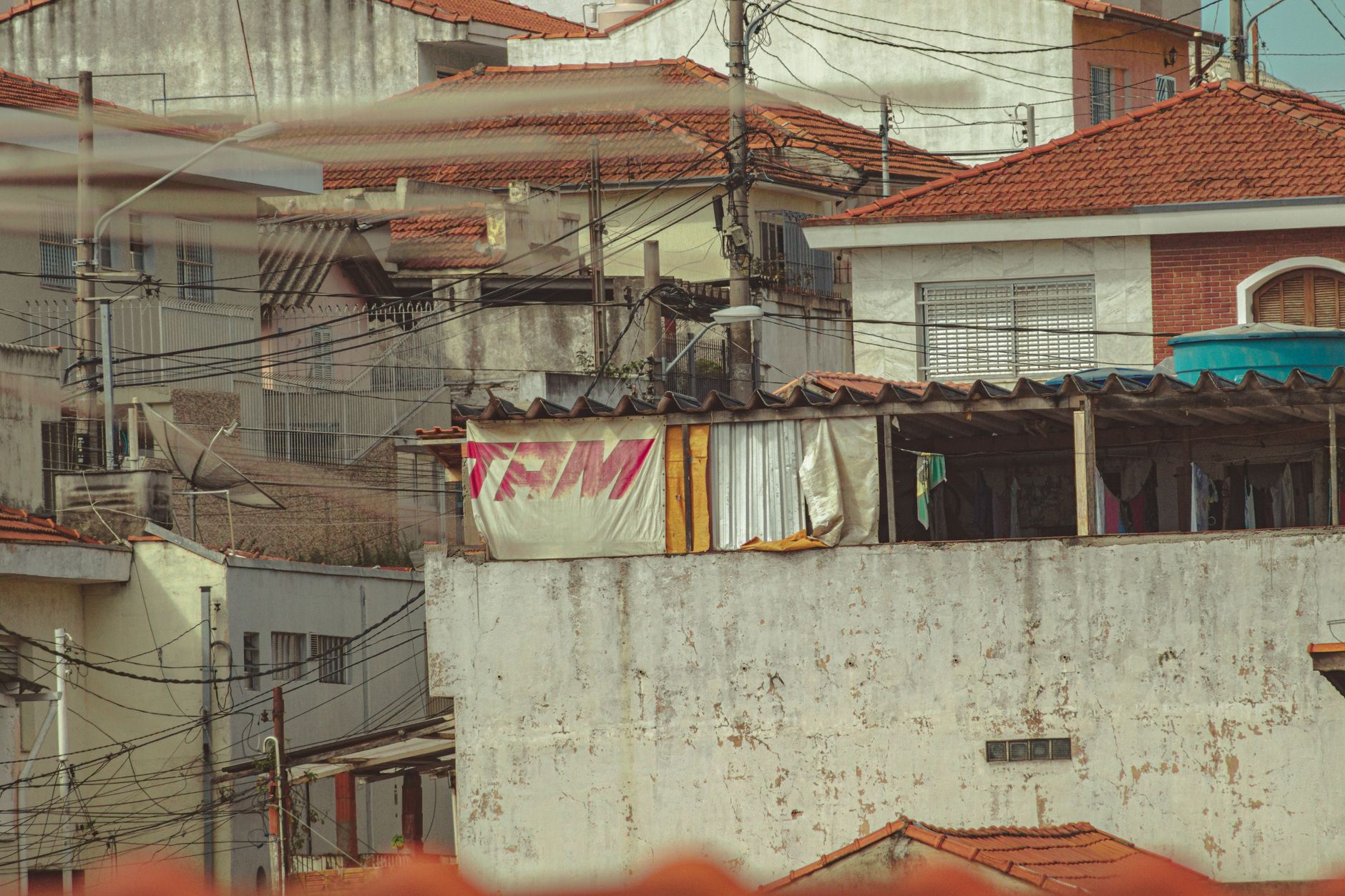
Detroit has torn down tens of thousands of homes since the turn of the century. It has launched loan programs, grant initiatives, and federally backed repair funds. It has convened task forces, published housing plans, and celebrated milestones. And yet, if you drive through Brightmoor on a Tuesday afternoon, or cut through the east side near Gratiot, you still see the same stubborn picture: houses mid-collapse, roofs caved in, porches rotting off their foundations while a family keeps the lights on inside.
Nicholas Caverly’s new book lands at exactly the right moment to explain why that picture hasn’t changed much. His central argument, drawn from deep archival research and on-the-ground examination of Detroit’s housing policy history, is blunt: expanding access to home finance never eliminated the structural barriers that kept Detroiters from repairing their homes. Neither did the wrecking ball. The conditions that produced housing decay in Detroit ran far deeper than a loan could reach.
That argument deserves serious attention from anyone trying to understand the Detroit housing crisis in 2026, because the city is still, in various forms, reaching for the same tools.
The Loan Myth
The logic behind home repair loans is intuitive. A homeowner needs a new roof. The roof costs $15,000. The homeowner doesn’t have $15,000. A lender or program provides the funds, the homeowner repays over time, the house gets fixed. Simple.
Except Detroit’s homeowners, particularly those who held on through the population collapse of the 1970s, 1980s, and 1990s, were never just short on cash. They were navigating a much more complicated set of conditions. Many of the homes in greatest disrepair sat in neighborhoods where the tax-assessed value had been systematically inflated for years, a practice that siphoned wealth from low-income Black homeowners at a scale researchers at the University of Chicago estimated cost Detroit residents over $600 million between 2010 and 2016. If your property tax bill is eating into the money you’d use for repairs, a loan with interest doesn’t solve the problem. It adds to it.
Beyond taxation, there’s the insurance problem. Try getting a conventional home improvement loan on a house that an insurer has red-flagged, or that sits in a census tract where underwriting algorithms spit out denial after denial. Loan programs that don’t account for these upstream barriers ask homeowners to enter a financial system that was never designed to serve them and expect different results.
Caverly’s work situates these dynamics historically, tracing how decades of federal and local policy shaped which Detroit neighborhoods received investment and which did not. That history isn’t just context. It’s cause. The structural barriers he documents, discriminatory lending, disinvestment, property tax abuse, are not relics. Their effects are active and compounding right now in 2026.
The Demolition Trap
Detroit’s demolition program was, for a period, the most aggressive blight-removal effort of any American city. Under the Hardest Hit Fund, the city knocked down roughly 20,000 structures between 2014 and 2020. The theory was that removing blighted properties would stabilize surrounding home values, reduce crime, and clear the path for new development.
Some of that happened. Values did tick up in certain corridors. But demolition also quietly consumed money and political attention that could have gone toward preservation. Tearing down a house costs between $15,000 and $25,000 depending on conditions. A targeted repair intervention on a structurally compromised but salvageable home often costs less, and it keeps a family housed, keeps a neighbor’s property value from tanking, and retains the architectural character that actually draws buyers and renters back to a block.
The math on demolition has always been uncomfortable. Detroit demolished its way toward a smaller, theoretically more manageable footprint, and still ended up with an estimated 23,000 vacant lots as of 2024. Those lots don’t generate tax revenue. They collect trash, attract illegal dumping, and function as visible signals of abandonment that push out the residents who stayed.
Caverly’s critique of demolition isn’t that it was always the wrong tool. It’s that the city reached for it reflexively, at scale, without sufficient attention to what was being lost and what the downstream effects would look like. When demolition becomes the default, preservation becomes the exception. Detroit inverted that priority for years.
What Finance Can’t Fix
Here’s the gap that no loan program has closed: labor. Detroit has a shortage of licensed contractors willing to take small residential jobs in low-income neighborhoods. Those that do often charge premiums that can turn a $15,000 repair estimate into a $28,000 one. Homeowners who receive grant funds sometimes struggle to find anyone to do the work before the funding deadline expires.
The contractor pipeline problem is structural. It involves workforce training, licensing requirements, insurance costs for small operators, and the economic reality that a contractor can make more money on a commercial job in Troy than on six residential repairs in Osborn. No loan program addresses any of that. Neither does a demolition contract, which tends to go to larger firms with equipment and bonding capacity.
There’s also the question of code compliance. Some Detroit homeowners avoid applying for permits and repair programs precisely because doing so triggers inspections that could result in orders they can’t afford to fulfill. The system designed to protect housing quality sometimes functions as a barrier to maintaining it. That’s not a failure of individual homeowners. It’s a policy design failure.
The Existing Stock Problem
Detroit.co has been tracking the new affordable housing units coming online across the city, projects in Midtown, the North End, and along the Jefferson corridor that promise to add hundreds of units to a market under pressure. That construction matters. But it doesn’t address the most urgent housing problem in the city, which is the condition of the homes that already exist and the people already living in them.
The city’s existing housing stock is old. The median age of a Detroit home sits around 80 years. Those structures need maintenance that compounds year over year when deferred. A leaking roof becomes a collapsed ceiling becomes a condemned structure faster than most homeowners can mobilize the resources to stop it. By the time a city inspector tags a house, the gap between what a repair program offers and what the house actually needs has often grown too wide to bridge.
New units help people who need to move. They do almost nothing for the homeowner who has been on the same block for 35 years and is watching her house deteriorate around her because every intervention she’s tried has run into a wall she didn’t see coming.
Detroit’s housing policy has to hold both of these realities at once. It has to build new and repair existing, and the resources devoted to each need to be proportional to the actual distribution of need. Right now, new construction attracts developers, tax credits, and ribbon cuttings. Repair attracts paperwork.
What a Real Fix Looks Like
Caverly’s work doesn’t offer a simple policy prescription, and this piece won’t pretend to either. But the implications of his research point in a clear direction.
Structural barriers require structural responses. That means tackling property tax assessment practices that continue to overvalue low-income properties, a problem Michigan’s legislature has addressed in fits and starts without ever fully resolving. It means building a local contractor workforce capable of absorbing residential repair demand, which requires investment in trades training that connects directly to Detroit neighborhood work. It means rethinking how repair programs are designed so that compliance requirements don’t function as gatekeeping mechanisms for the people who need help most.
It also means being honest about what the demolition era produced. The city cleared land. It also cleared communities. Residents who watched their blocks thin out, who lost the neighbors and the foot traffic and the informal mutual aid networks that make a street feel safe, didn’t get those things back when a vacant lot got seeded with grass.
Detroit’s housing story in 2026 is not a failure of ambition. The city has been ambitious. It is a failure of theory, specifically the theory that financial access and blight removal, deployed at scale, would solve problems that are fundamentally about power, history, and the terms on which Black Detroiters have been allowed to own and maintain property.
Getting the theory right matters more than any single program. If the diagnosis is wrong, the treatment won’t work. Detroit has learned that lesson at enormous cost, block by block, house by house, for the better part of three decades.