Spring training is supposed to be the season of optimism. Sunshine, batting practice, the smell of fresh-cut grass in Lakeland, and the collective belief that this year, this roster, this group is the one. For Detroit Tigers fans who have been circling March 2026 on their calendars since the final out of last season, the news about Beau Brieske landing on the wrong side of a practice slip is exactly the kind of gut-punch nobody wanted heading into Opening Day.
Brieske, the 27-year-old right-hander who had been working his way into the Tigers’ starting rotation conversation, will miss the 2026 Opening Day after suffering an injury from a slip during practice. The details are frustrating in their simplicity. Not a strained UCL from throwing. Not fatigue from overuse. A slip. The randomness of it makes it harder to accept, and for a Tigers pitching staff that was already operating with limited margin for error, the timing could hardly be worse.
Brieske is not a household name outside of Detroit baseball circles, but within them, he carries real value. A pitcher who has shown flashes of legitimate frontline stuff, he has the kind of ceiling that pitching-starved franchises protect carefully. He throws with conviction, works the zone, and had been building toward a role that could carry real innings this season. Losing him for Opening Day, and potentially beyond depending on the severity and recovery timeline, forces the front office and manager A.J. Hinch to shuffle a deck that was already short a few cards.
So where does the Detroit Tigers pitching rotation stand right now?
The top of the rotation, assuming full health, gives Tigers fans something to work with. Tarik Skubal is the unquestioned ace, the left-hander who announced himself as one of baseball’s elite arms and the kind of pitcher you build a franchise around. After his dominant run through 2025, Skubal enters 2026 as the cornerstone of everything Detroit does on the mound. When he takes the ball on Opening Day, the crowd at Comerica Park will treat it like a coronation. That part has not changed.
Behind Skubal, the picture gets murkier. Casey Mize, who has spent years fighting back from Tommy John surgery, has shown enough in camp to warrant optimism but brings with him durability concerns that will follow him until he logs a full, healthy season. Reese Olson flashed real promise in his big-league auditions and profiles as a legitimate rotation piece if he can sustain his stuff over a full year. After that, the Tigers were leaning on a collection of arms competing for spots, and Brieske had positioned himself as one of the more compelling candidates.
With Brieske out, Detroit faces a genuine depth problem. The minor league system has arms, as the organization has made pitching development a priority under its current front office structure. But asking a prospect to step into a major league rotation on Opening Day carries a very different kind of weight than a midseason callup when the roster has settled and the stakes feel slightly lower. Opening Day is a statement. It sets tone. The opponent, the crowd, the national spotlight all demand something the organization would prefer not to leave to chance.
One name to watch is Jackson Jobe, Detroit’s prized pitching prospect who has been discussed in reverent tones since the organization selected him in the 2021 draft. If his development has continued on the trajectory the Tigers have hoped for, this could be a moment where necessity and readiness align. But pushing a young arm into Opening Day pressure when the plan may have been a more gradual introduction carries real risk, both physically and psychologically.
The Tigers could also look at bullpen arms being stretched as spot starters, or bring in a veteran on a short-term deal to bridge the gap while Brieske works toward his return. The free agent market in mid-March is thinner than it was in November, but there are always veterans willing to sign with a contending team, and Detroit has signaled its intention to compete seriously in 2026.
That competitive intention is precisely why this injury stings so much for the fanbase. Tigers fans have spent years exercising patience that would exhaust a monk. The franchise has been rebuilding, reloading, and promising that the pieces are nearly in place. Skubal’s emergence changed the conversation. The offense added teeth. The bullpen showed signs of cohesion. For many fans, 2026 felt like the year the promise finally paid off.
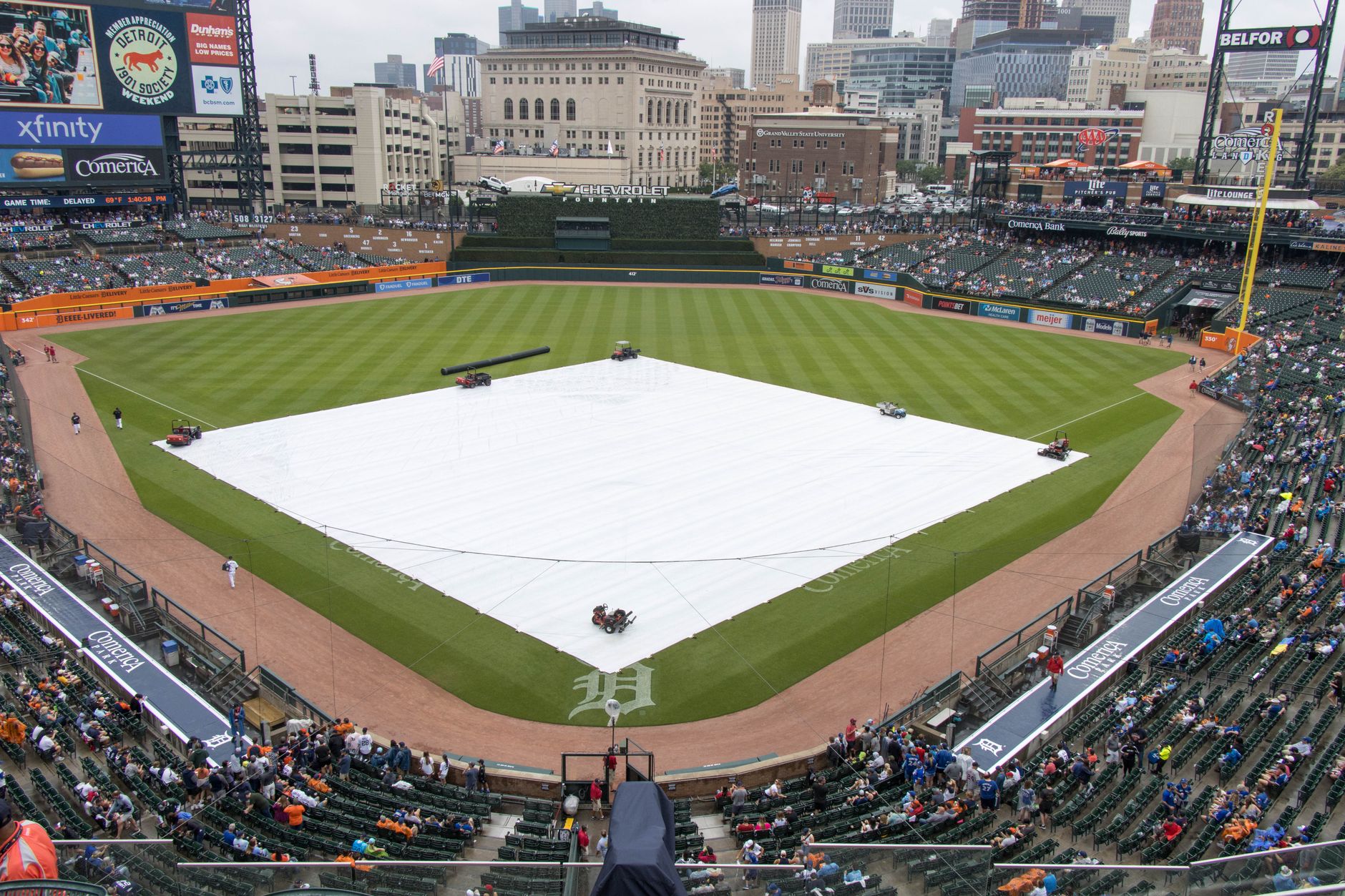
Opening Day at Comerica Park carries a particular electricity in Detroit. The city shuts down in ways that other sports markets reserve for playoff games. Tailgates start before noon. The crowd spills out from the bars along the waterfront. For a baseball city that adores its Tigers even when the Tigers make it difficult, Opening Day is almost a civic event. The news about Brieske punctures some of that balloon, but it does not deflate the whole thing.
What it does, though, is raise the stakes for every other arm in the system. Spring training competitions just got more urgent. A pitcher who was fighting for a long relief role might now be auditioning for a rotation spot. A Double-A arm who was ticketed for Erie might be getting phone calls about an accelerated timeline. This is how roster construction actually works. An injury does not just create a hole. It creates a cascade of decisions that ripple through every level of the organization.
Hinch, who has managed pitching with a careful hand throughout his tenure in Detroit, will need to make some uncomfortable calls in the next two weeks. The Tigers break camp in late March, and the first series will reveal what the rotation actually looks like without Brieske. Managing innings, protecting young arms, and keeping the bullpen from burning out by April 15th are going to require some creative scheduling.
The depth question matters beyond just the rotation slots. Brieske’s presence as an option gave the staff flexibility. When you have six arms capable of starting, you can give guys extra rest, manage workloads through doubleheaders, and navigate early-season cold-weather starts in a way that preserves everyone’s health. Drop to five and the margin compresses. Drop further and you are running out of options before Memorial Day.
Brieske himself gets the worst of it. Spring training is when players make their cases, lock down roles, and build the rhythm that carries them through April and into the meat of the schedule. Missing Opening Day means missing that rhythm-building period and watching the team break camp without you. For a pitcher still establishing himself in the major league conversation, that setback has professional consequences that extend beyond the injury itself.
The Tigers organization will need to be transparent about the timeline. A two-week absence shapes the rotation management very differently than a six-week recovery. Detroit’s front office has generally been solid about injury communication, and clarity here will help fans and media calibrate expectations appropriately.
The 2026 Tigers still have enough to compete in the American League Central. Skubal alone makes this a team you respect. The offense has the tools to put up runs in chunks. The bullpen, when healthy and sequenced correctly, is capable. But pitching depth wins pennants, and right now Detroit’s depth just got a little shorter.
Watch the next two weeks of spring training coverage carefully. The decisions Hinch and the front office make in response to this injury will tell you a great deal about how seriously they believe this group can compete and how much organizational confidence sits behind the names currently fighting for that vacant rotation spot. Detroit baseball is awake and paying attention. The city deserves a full answer.