Shirley Brezzell graduated from Cass Technical High School in 1975. She didn’t walk into a classroom for another three-plus decades. That gap matters, because it shaped exactly the kind of teacher she became.
Before she ever stood in front of fifth graders at Mackenzie Elementary-Middle School, Brezzell spent 22 years in banking, starting as a teller and eventually moving into operations management. When her bank shut down, she didn’t go looking for another financial institution. She started homeschooling her kids. That led to substitute work inside Detroit Public Schools Community District, which led to her getting certified. By 2011, she was a full-time science and social studies teacher on Detroit’s west side. She’d found her lane late. She’s not apologizing for it.
“My regret is that I didn’t do it 100 years ago. Absolutely, this is my calling,” Brezzell said.
The Michigan Science Teachers Association apparently agrees. They named her the 2026 Elementary School Science Teacher of the Year, a recognition that doesn’t surprise anyone who’s watched what she’s built at Mackenzie.
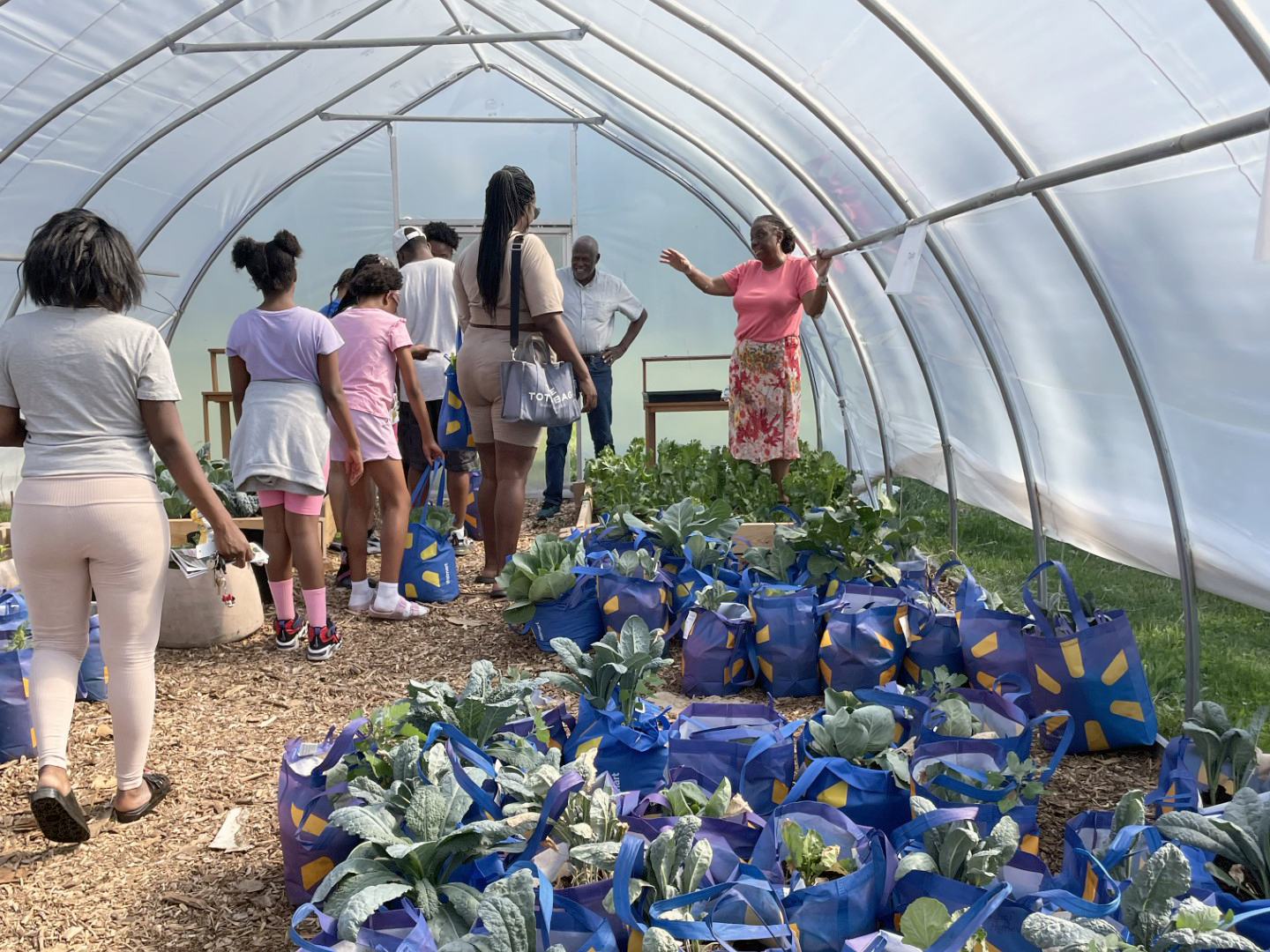
What she’s built is a garden. Not a metaphor. An actual outdoor garden running on raised beds and Walmart recyclable bags, where students grow tomatoes, potatoes, cabbage, and greens. It’s not a polished greenhouse situation. It’s functional, and it works on kids who walk in telling her exactly what they won’t eat.
She hears it constantly. Pickled beets get rejected before they’re tasted. So does eggplant. So do oatmeal burgers. Brezzell calls it famous last words, because the students who say “I don’t eat that” in September tend to be the same ones eating what they grew by the end of the unit. That’s not wishful thinking on her part. That’s the mechanism she’s designed the whole thing around.
When she told Bridge Detroit about watching students experience food they’ve actually cultivated, she didn’t sound like a teacher reciting a lesson plan. She sounded like someone who can’t believe she gets to do this every year.
“When they see the process from seed to a piece of fruit that they can actually eat, it is mind-blowing,” she said. “Oh, and then when you taste it, and when it comes off of the vine, and it is all organic, it’s a whole other experience.”
The garden connects directly to her science curriculum. During a unit on matter, she takes students outside to harvest fresh vegetables and fruit, then brings them back inside to cook together, so they can watch what heat does to food at a physical and chemical level. The carrot that came out of the ground hard and raw doesn’t stay that way. Students watch it transform. That’s matter changing states, and it’s not abstract anymore because they’re the ones holding the spoon.
It doesn’t stop at the school day, either. This spring, Brezzell is running a family event where parents come in and build their own Walmart bag planters to take home. During summer months, the garden produces enough to send fresh fruits and vegetables out to the broader school community, not just her class. “I have to bring the harvest,” she said.
Resources like Michigan State University Extension have documented the connection between hands-on food education and improved student nutrition outcomes, which is the academic way of saying what Brezzell has been demonstrating on the ground at Mackenzie for years: kids eat what they grow.
She’s a Detroit native who knows this city isn’t short on vacant lots or communities that don’t have easy access to fresh produce. She’s not solving that problem alone. But on her patch of ground on the west side, fifth graders who came in skeptical are going home knowing how to plant something and watch it grow.
The 2026 award from The Michigan Science Teachers Association puts a name on what’s been happening at Mackenzie. The work was already there.