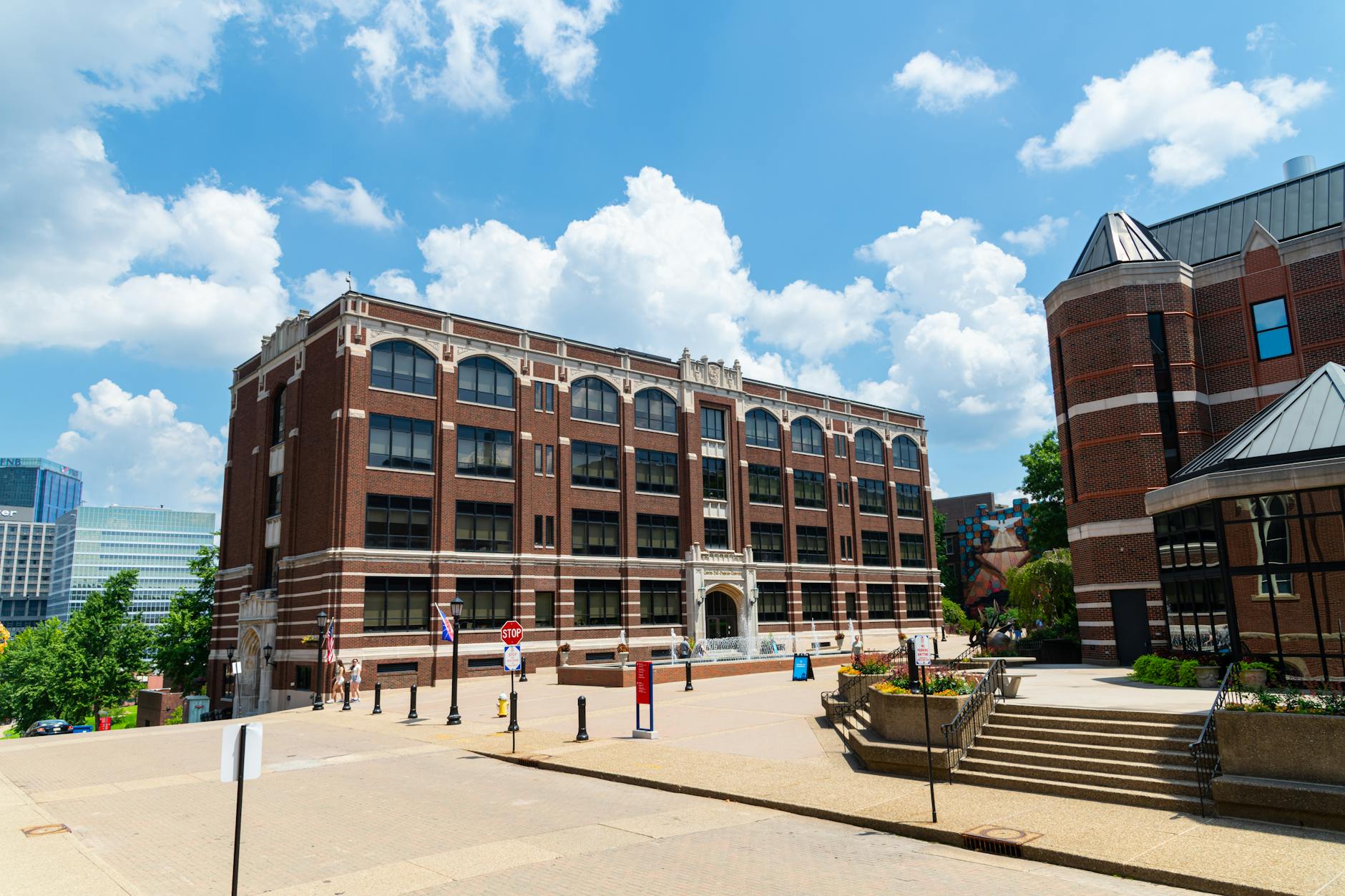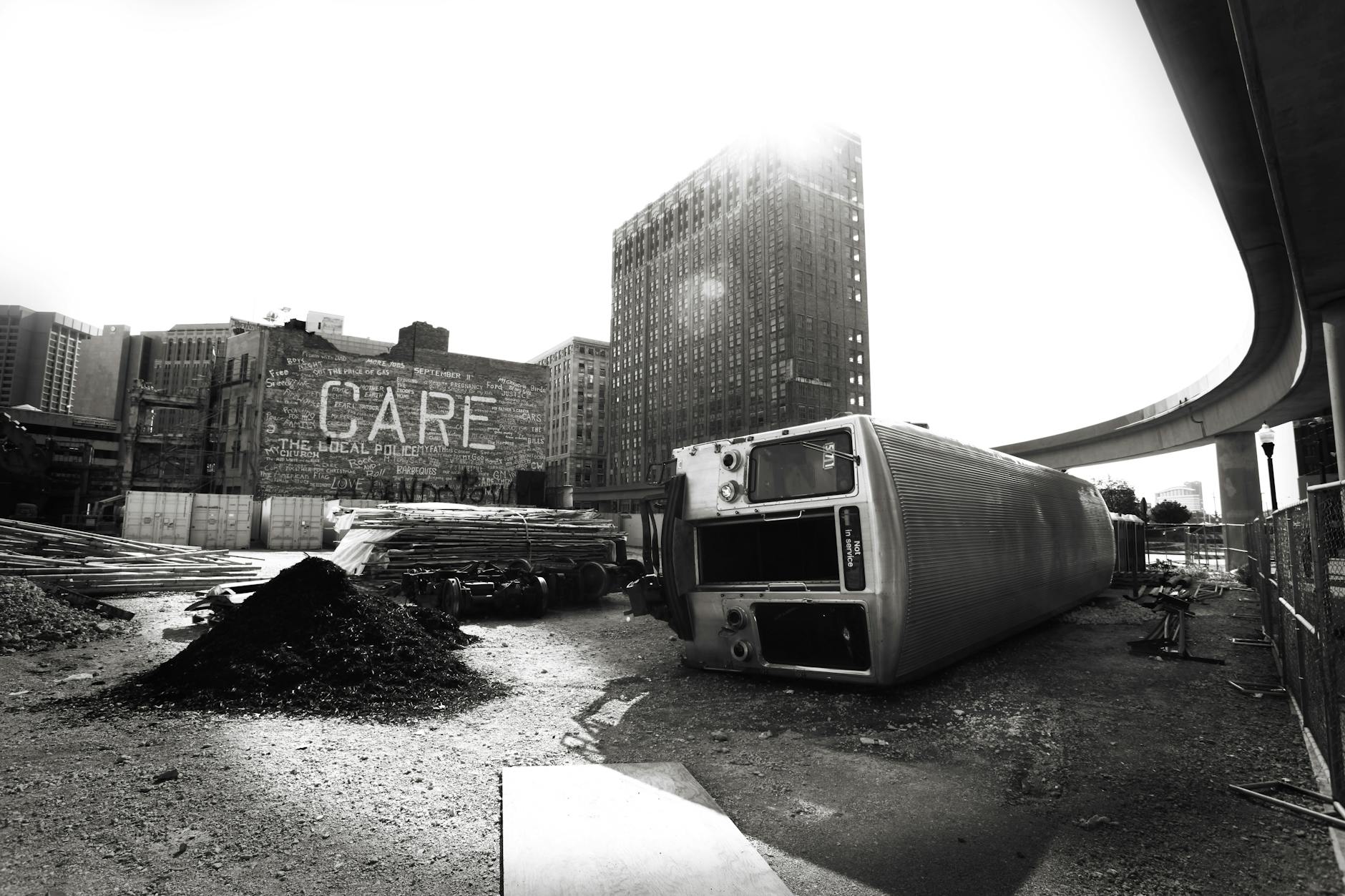
The city of Detroit has filed two lawsuits and is now pushing to seize a vacant apartment complex at Greenfield and Grove, a west side property where years of illegal dumping have pushed neighbors past their limit.
Corporation Counsel Conrad Mallett, who runs the Law Department, is asking a judge to hand the city possession of the building so it can be secured, marketed to a developer, and brought back online as rental housing. Fines against the property owner have climbed to nearly $100,000. The owner hasn’t answered either lawsuit or responded to requests for comment.
“He has to comply with the city ordinance,” Mallett said. “We’ve got two default judgments. We now want to go to court and say, ‘Your honor, listen, he’s basically, by his lack of offering a defense, admitted everything we said in our complaint is true.’”
Two default judgments is not a technicality. It means the owner has, in practical legal terms, already lost twice. Mallett’s office now wants the court to turn those losses into something the city can actually act on: possession of the building itself.
What Block Has Been Living With
The complex sat empty and unsecured for years. Trash accumulated. Squatters moved in and out. Neighbors watched it happen and had nowhere to go with it. According to initial reporting from WXYZ, the city eventually cleaned and boarded the site after media coverage exposed the conditions. Security cameras went up. New fencing went in. None of that is a fix. It’s a holding pattern.
Neighbor Rathael Baldwin lives close enough to know exactly how long this has been going on. He’s not throwing a party yet.
“What would be better than this?” Baldwin said. “Make sure they don’t be dumping here no more. As long as the right people are in it, it’s good.”
That’s the real question. Getting the city into possession of the property is step one, and it’s not even done yet. Finding a developer willing to gut-renovate a long-vacant west side apartment complex, one that’s been a dumping ground and a squatter site, and making the numbers pencil out is a genuinely different problem. $100,000 in fines sounds like accountability until you realize the owner apparently calculated that ignoring the city cost less than fixing the building.
The Council Wants State Help
Detroit City Councilwoman Mary Waters has been pushing on this case since before the cleanup started. She saw the images of the dumping conditions early and committed to staying on it. She’s still there.
“Two weeks later, folks are wondering what’s happening here,” Waters said.
Waters isn’t just watching. She’s arguing that the city can’t solve this class of problem with city tools alone. Detroit can fine landlords. Detroit can sue them. Detroit can, with enough legal work and enough default judgments, eventually seize a property. What Detroit’s current blight enforcement framework doesn’t have is the ability to impose penalties steep enough to make neglect genuinely costly before a building gets this bad. By the time the city collected nearly $100,000 in fines here, the damage was already years deep.
Waters wants state law behind the city’s enforcement. She’s pointed at a structural limit that’s real: the incentive math for a neglectful owner doesn’t change until the consequences are faster, bigger, or both. Right now, an owner can run out the clock while a building deteriorates, absorb a fine that doesn’t sting enough, and let the neighbors deal with what’s left.
Baldwin’s framing is simpler than any of that. He wants the dumping to stop. He wants the right people in the building. He’s been living next to the wrong situation for years and he’s ready for it to change. That’s what’s actually at stake on that block between Greenfield and Grove while the courts sort out who holds the deed.
“Make sure they don’t be dumping here no more,” Baldwin said. “As long as the right people are in it, it’s good.”