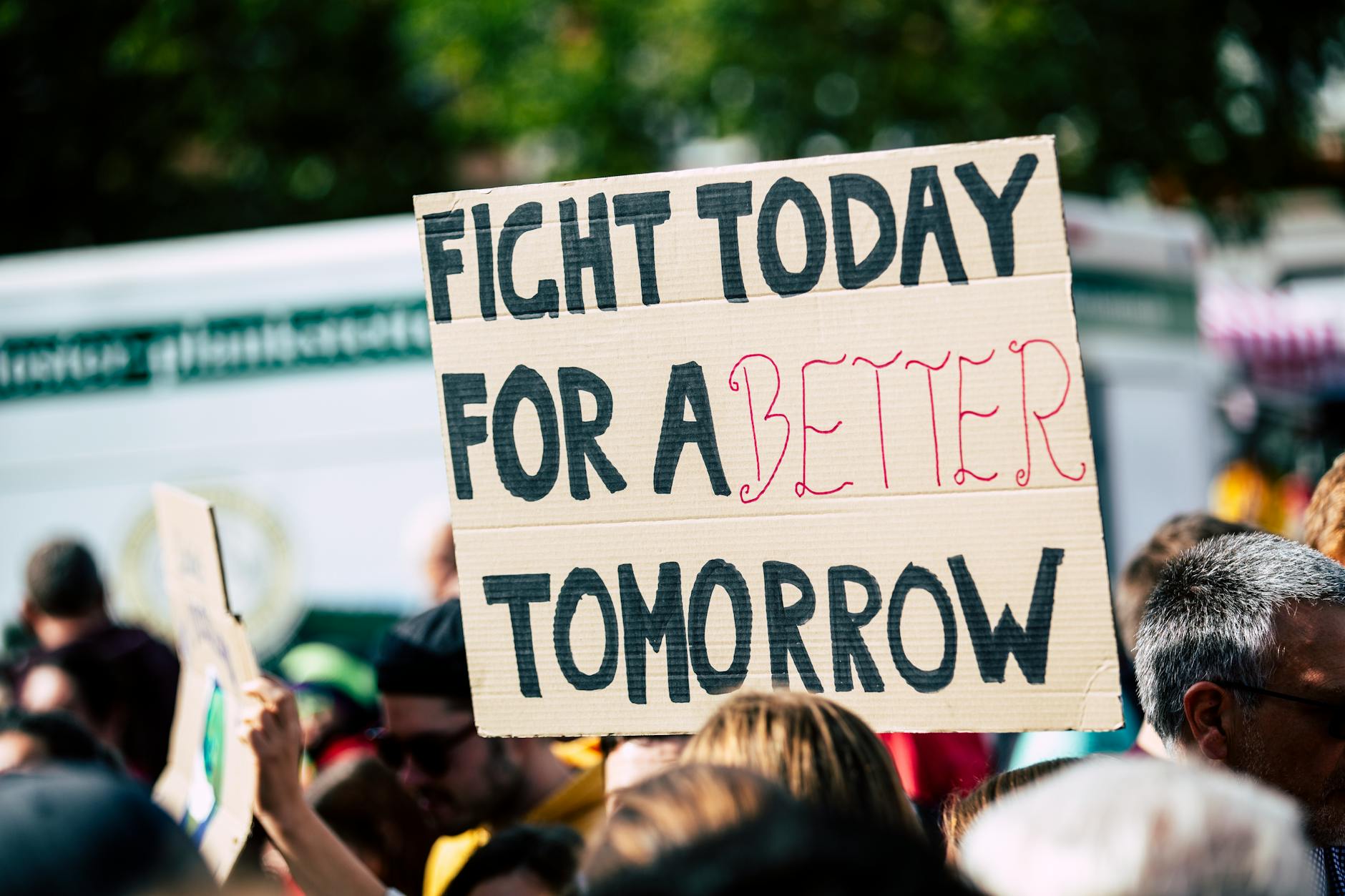
Maykol Bogoya-Duarte was 17 years old, on a class field trip with his Western International High School classmates, when immigration agents detained him. That was May 20, 2025. He had no criminal record. He never got to graduate. He was deported to Colombia, a country he barely knew, while thousands of Detroiters marched, signed petitions, and showed up demanding his release.
It didn’t matter.
Maykol’s story isn’t a one-off. Detentions are climbing across the city. Parents getting picked up on the way to work. Students missing school because their families are afraid to leave the house. Small businesses going quiet because their owners won’t risk a drive down Michigan Avenue. Southwest Detroit, home to one of the largest Latino communities in Michigan, is living under a kind of low-grade fear that doesn’t show up in any budget line but shapes everything.
The scale is different now
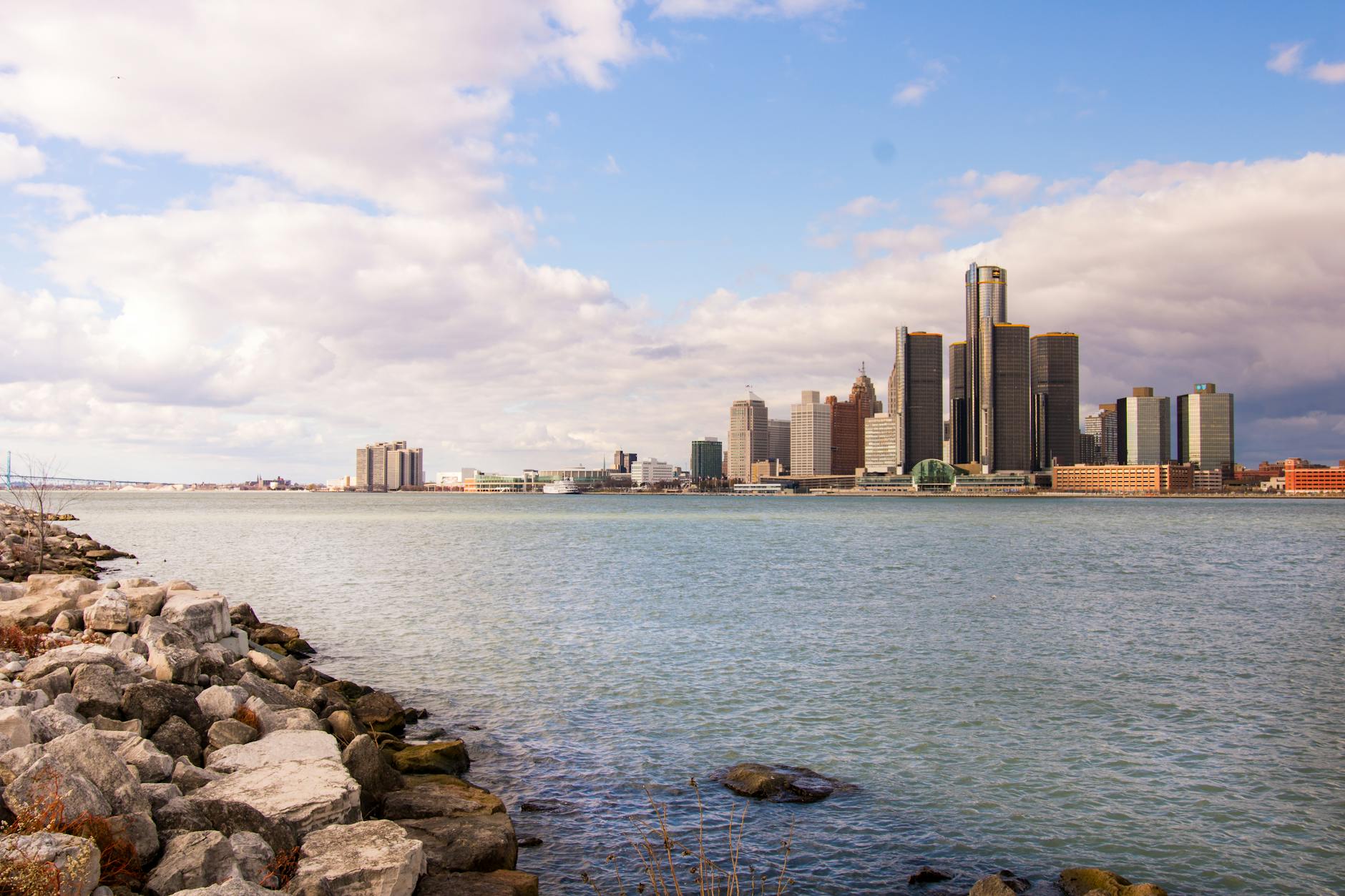
Detroit has always been a border city. Windsor is right across the river. Immigration enforcement isn’t new here. But what’s happening now is different, both in how many people are getting swept up and in the logic driving it.
In September 2025, the U.S. Supreme Court ruled in a way that opened the door to stops and detentions based on how someone looks or the language they speak. Racial profiling, given a legal green light. License plate readers across Michigan can now feed data directly to immigration enforcement. People who have lived in this city for decades, who own homes and pay taxes and coach Little League, are being taken without due process and without a lawyer.
School absenteeism is up. That’s not an abstraction. That’s kids falling behind, families pulling children out of classrooms because the walk to the bus feels dangerous. That’s teachers trying to figure out how to hold a class together when students are disappearing.
What community groups are asking for
A coalition of community organizations is now pushing Detroit’s mayor and City Council to act before the next budget cycle closes. Not with a press release. With money and policy.
The ask starts with a $1 million legal defense fund to make sure families facing deportation proceedings actually have representation. The American Immigration Lawyers Association has documented repeatedly that immigrants with legal counsel are significantly more likely to win their cases. Without it, people are navigating a federal system alone, in a language that may not be their first, against government prosecutors.
That’s the core demand, but it’s not the only one. Organizers want the city to commit real resources, not symbolic resolutions. The difference matters. A resolution costs nothing and changes nothing. A funded legal defense program changes outcomes.
Detroit’s record, and its opening
This city has seen this before, in a different form. The Great Migration brought hundreds of thousands of Black families to Detroit from the South, people chasing work and safety and something better. Later came Arab families from Yemen and Lebanon, Latino families from Mexico and Puerto Rico and across Central America, African immigrants, Caribbean communities. Each wave faced skepticism. Each wave built something here anyway.
Detroit’s population has been declining for decades. The people being detained and deported right now are exactly the people who chose to stay, to invest, to open restaurants on Vernor Highway and send their kids to DPS schools. Losing them doesn’t just hurt families. It hollows out neighborhoods.
The argument for protecting immigrant residents isn’t only moral, though it is that too. It’s practical. Detroit can’t afford to lose working families to a deportation machine that doesn’t distinguish between someone with a violent record and a teenager on a field trip.
This reporting builds on original op-ed work published by BridgeDetroit, which has been tracking the local impact of federal immigration enforcement closely.
What to watch
The city budget process is where this gets decided. Community organizations have a specific number on the table: $1 million for legal defense. That’s roughly what the city spends on a handful of consultants for a mid-size infrastructure project. It’s not a stretch.
The question is whether the mayor and City Council treat this as a priority or let it get buried under everything else competing for attention this spring. Maykol Bogoya-Duarte can’t come back. But the next kid on a field trip doesn’t have to face that alone.