Michigan is ground zero again. As Trump pushes toward the 2026 midterms, new reporting traces how his effort to control the electoral process runs through the same state that consumed him in late 2020, when a minor clerical error in Antrim County nearly became the justification for overturning a presidential election.
The details of that December 2020 period are stark. Attorney General William Barr summoned roughly 10 federal officials to a fortified, windowless room at the Justice Department’s Washington, D.C., headquarters. Around a cheap table sat experts from the Cybersecurity and Infrastructure Security Agency alongside top FBI officials. Barr’s question was direct: could the 2020 presidential vote actually have been hacked?
The specialists from CISA had done their homework. A county clerk in Antrim County had made a mistake updating ballot styles on voting machines, causing a software problem that initially transferred votes from Republicans to Democrats. No fraud. Human error. A hand count of the county’s ballots would soon confirm that publicly.
Barr listened. He understood what the truth meant.
The Kamikaze Walk to the Oval Office
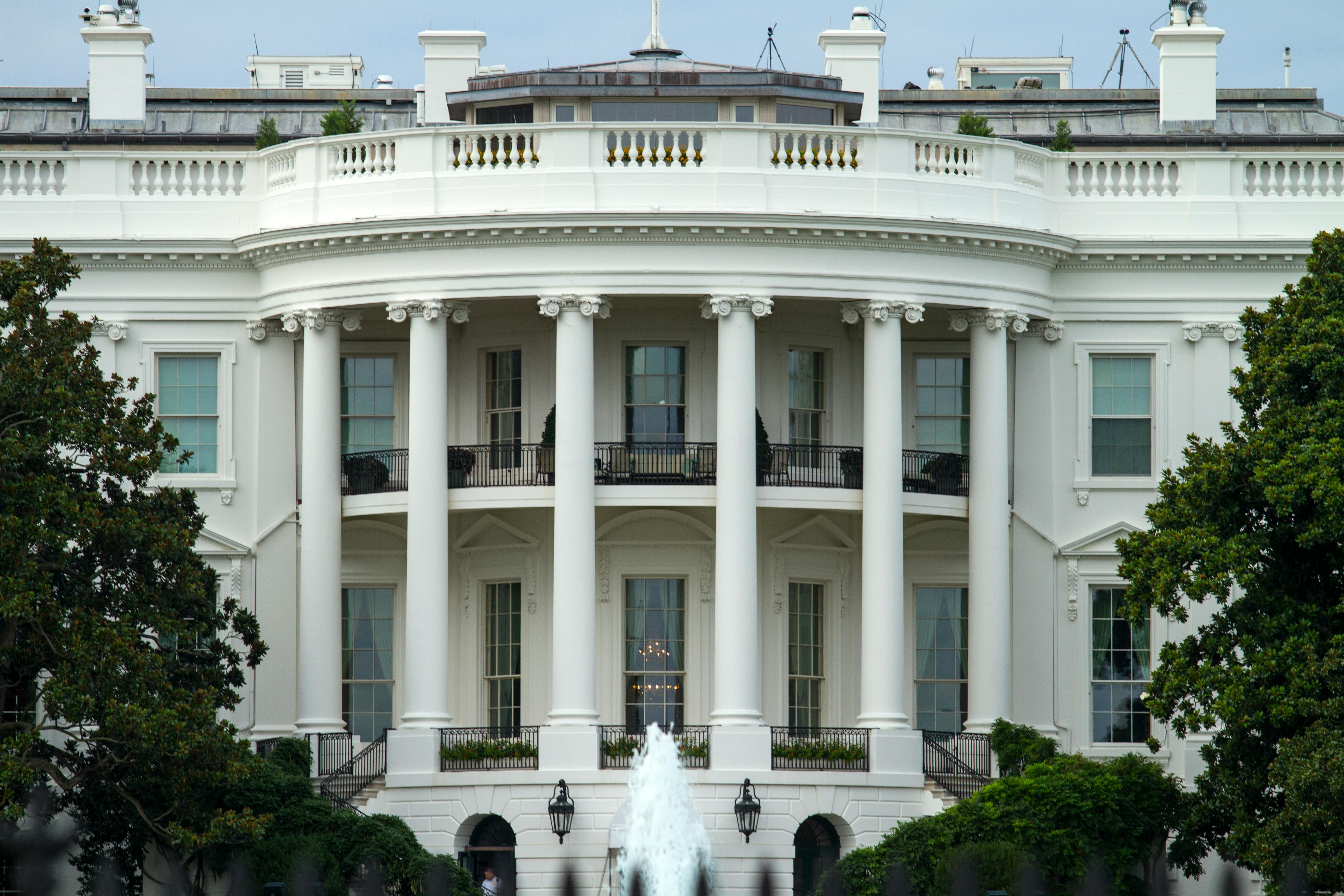
At the end of that meeting, Barr turned to his top deputy, made hand motions as if tying on a bandana, and said he was going to “kamikaze” into the White House. What followed is documented: when Barr met Trump in the Oval Office on Dec. 14, 2020, the president called the Antrim County situation “absolute proof” that the election had been stolen.
Barr waited for an opening, then told Trump what the CISA experts had found. He offered his resignation letter the same day. Trump accepted it.
“I was saddened,” Barr wrote afterward.
The account, drawn from several people who were in the room or briefed on the gathering and reported by Michigan Advance, captures something that still matters to Michigan voters heading into the fall: the 2020 pressure campaign didn’t end with Barr’s exit. It evolved.
What It Means for 2026
Trump’s approach to the midterms, according to reporting on his current political operation, is to place loyalists inside the electoral machinery at every level. That means secretaries of state, county clerks, election board members. Michigan’s own Secretary of State office sits at the center of that target.
The state has been a testing ground before. Antrim County, a small northern Michigan county that leans heavily Republican, became a national flashpoint in 2020 not because anything went wrong with the vote count ultimately, but because Trump’s operation needed a narrative and the county’s temporary software error fit it. Antrim County’s final hand-counted results showed no widespread irregularities.
That’s the part that gets buried. The system worked. Barr knew it. The CISA specialists confirmed it. And yet the Antrim County conspiracy theory traveled through the national information system for months before corrections caught up.
Six years later, Trump’s team is working ahead of the problem rather than reacting to it. The goal isn’t to find errors after the fact. It’s to put people in place who can shape what gets certified before any challenge is necessary.
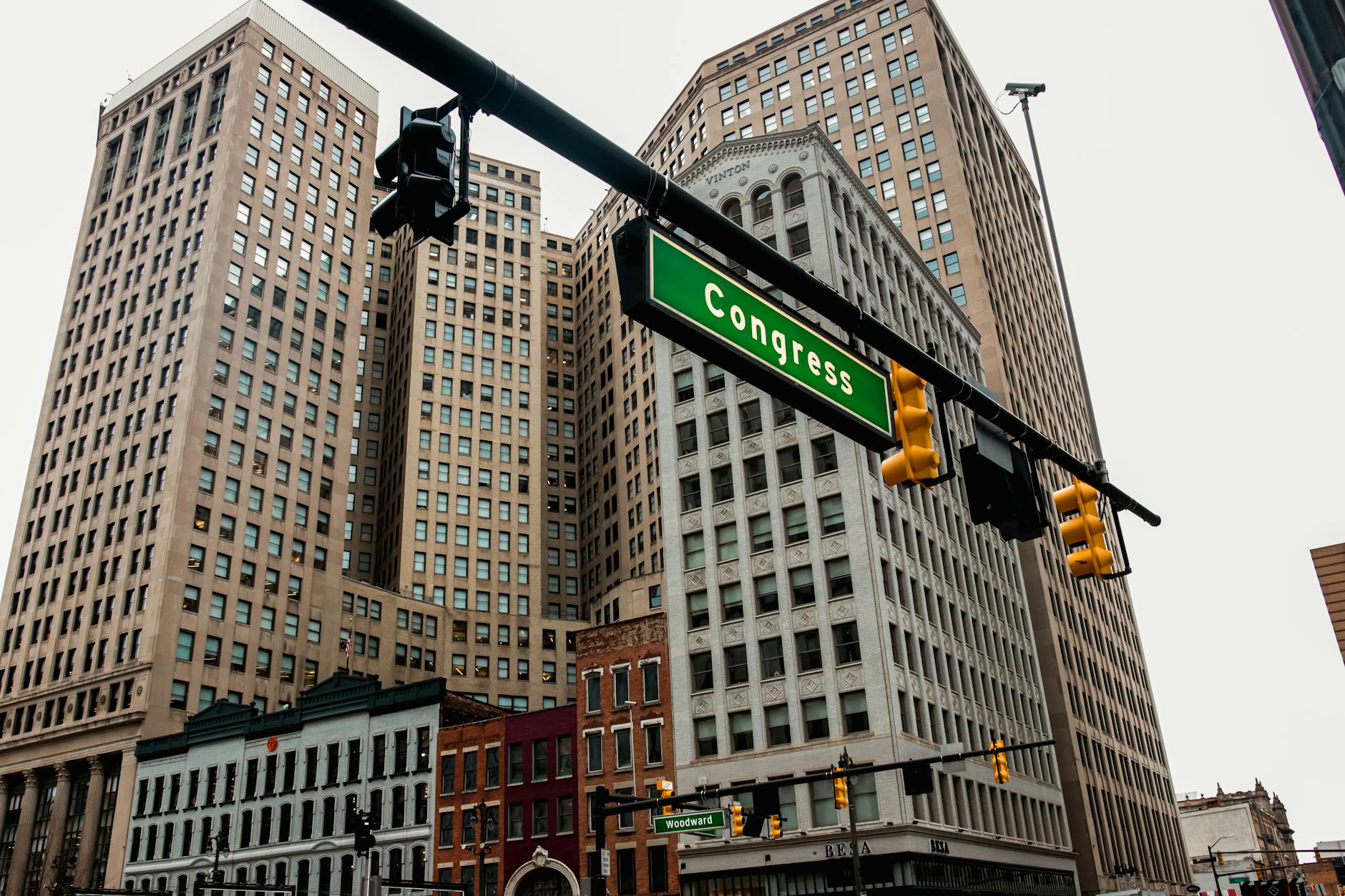
For Detroit residents, this isn’t abstract. Wayne County’s election board has faced Republican pressure to withhold certification before, most visibly after the 2020 election, when two Republican board members initially refused to certify results before reversing course. That episode set a template that Trump’s midterm operation appears to be building on, with organized efforts to influence who sits on canvassing boards in counties with large Democratic populations.
What’s on the Line
Michigan has 13 congressional seats up in November. Democrats currently hold seven of them. Control of the U.S. House could turn on a few thousand votes in districts that run through Oakland and Macomb counties, two places where election administration fights have already started at the local level.
Barr walked into the White House in December 2020 thinking he could say a hard thing and preserve something. He was gone within days. The officials who replaced him weren’t asked to find the truth about Antrim County.
The midterm push Trump’s team is running now doesn’t need a kamikaze moment. It’s built for a longer game, the kind that doesn’t depend on a single dramatic confrontation but on accumulating control of the small rooms where elections actually get decided.
Wayne County’s next canvassing board appointment is scheduled for review later this spring.