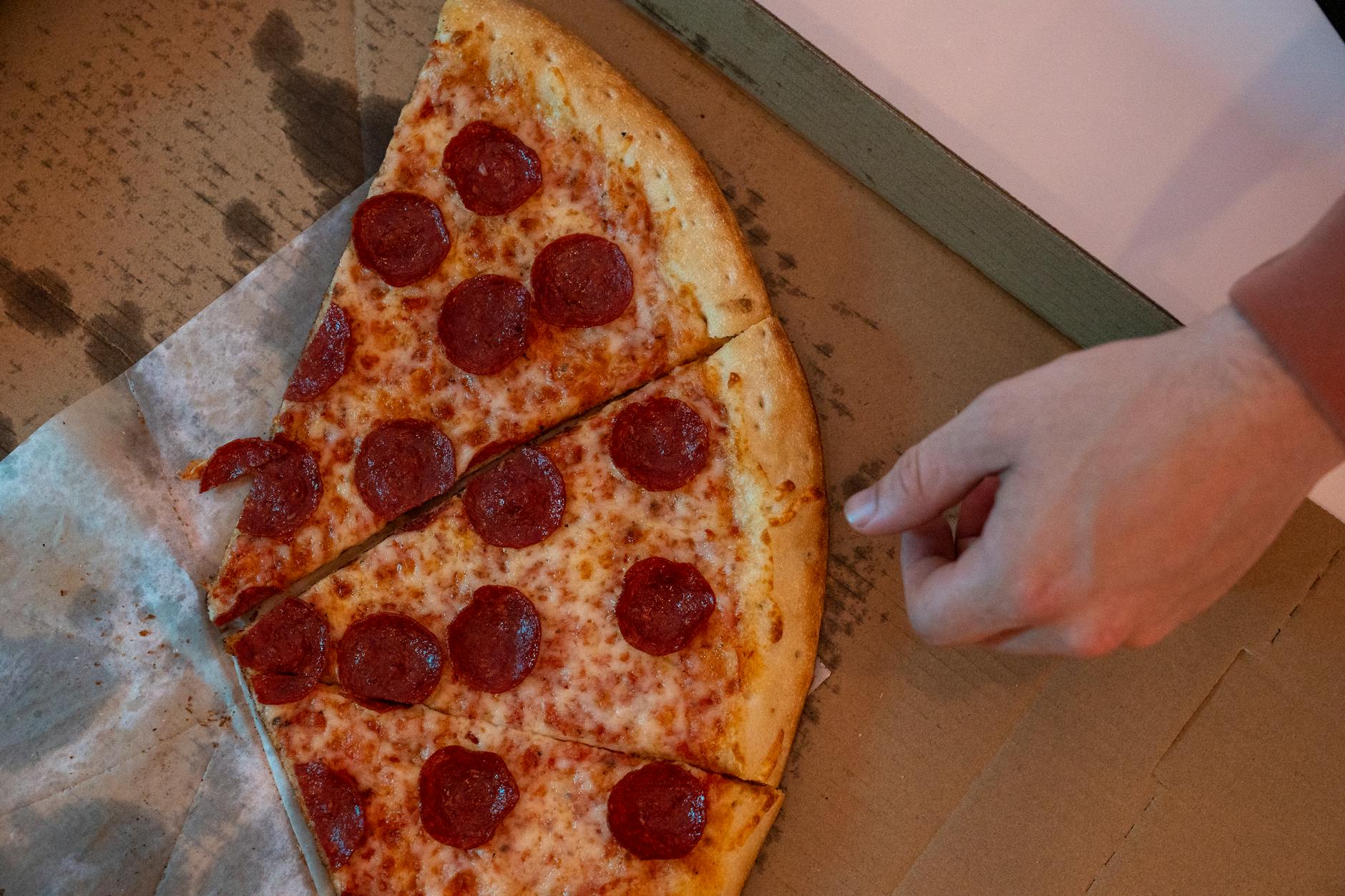
Detroit has a lot of origin stories. The automobile. Motown. The techno beat that eventually colonized every dance floor on earth. But for anyone who grew up eating here, the square of cheese-edged, focaccia-thick pizza that Buddy’s Rendezvous started serving out of a converted tavern on Conant Avenue in 1946 belongs in that same conversation. Detroit-style pizza didn’t come from a marketing department. It came from rectangular blue steel pans originally used in the automotive industry, repurposed by a pizza maker who understood that the best crust needs something to grip, something to caramelize against. That crispy, almost fried cheese border wasn’t a gimmick. It was an accident that became a religion.
Now, Buddy’s Pizza has been sold. And Detroit is paying attention.
The sale brings Buddy’s into the hands of a group of local investors who have made clear that their primary ambition lies in expanding the brand’s frozen pizza business nationally. The restaurant locations, seventeen of them spread across Michigan, will continue operating. But the real growth bet here is the grocery aisle. The new ownership wants Buddy’s frozen pizza on freezer shelves coast to coast, not just at your neighborhood Meijer.
For longtime Detroiters, that news lands with complicated feelings.
What Buddy’s Actually Is
You cannot understand the emotional weight of this sale without understanding what Buddy’s means to people who grew up here. This is not nostalgia tourism. For a huge number of Metro Detroit families, Buddy’s is the place where birthday dinners happen, where you go after a funeral, where you land after a Tigers game when everyone is tired and hungry and needs something reliable. The pepperoni cups that crisp up at the edges. The sauce ladled over the cheese rather than under it. The corners, always the corners, which are to Detroit pizza what the heel of bread is to the rest of us: the thing everyone secretly wants.
The brand has survived decades of competition, economic collapse, and the kind of slow-burn civic trauma that Detroit absorbed between roughly 1967 and 2013. Buddy’s kept opening locations. The food stayed consistent. That consistency, in a city that has watched so many institutions disappear, means something.
The Detroit-Style Boom and What It Created
Here is where the economics get interesting. Over the past several years, Detroit-style pizza has exploded nationally. Big chains like Pizza Hut introduced Detroit-style options. Independent pizzerias from Brooklyn to Los Angeles started advertising the square, the crispy edge, the upside-down sauce. Food media ran breathless features. The style went from regional curiosity to national trend to something approaching mainstream.
That boom created a paradox for Buddy’s. The restaurant that invented the thing was watching the world catch up to it without necessarily profiting from the scale of that cultural moment. Buddy’s had grocery store frozen pizzas, yes, but the distribution was regional. The brand recognition nationally was thinner than it deserved to be, given that Buddy’s is, without serious argument, the originator.
The new ownership sees that gap as an opportunity. The pitch, essentially, is this: if the country is now eating Detroit-style pizza from chains and copycats, why shouldn’t the actual Detroit original be on those same freezer shelves?
It is a logical argument. It is also, depending on your relationship to the brand, either exciting or slightly alarming.
Scaling Something Sacred
There is a version of this that goes well. Buddy’s frozen pizza, produced at real volume and distributed to Kroger and Whole Foods and regional chains across the Sun Belt and the coasts, introduces a generation of people who have never set foot in Michigan to the real thing. It builds revenue that funds the restaurant operations. It keeps the Conant Avenue legacy alive in a form that can travel.
There is another version. In that version, the pressure to scale nationally forces compromises. Ingredients get value-engineered. The crust changes slightly to survive longer shelf lives. The cheese blend shifts. None of it is dramatic enough to make news, but over time the frozen product drifts from the restaurant product, and then the restaurant product drifts trying to match the frozen product’s cost structure, and eventually the thing that made Buddy’s Buddy’s gets diluted into something that is merely fine.
That second version has happened to beloved regional brands before. It is not inevitable, but it is common enough that the concern is legitimate.
The investors behind this deal are local, which matters. People who grew up eating Buddy’s, or who built businesses in this region, carry a different kind of accountability than a private equity firm in another city that acquired a brand purely as an asset. Local ownership does not guarantee good outcomes, but it does mean the people making decisions have to face Detroiters at the grocery store, at Tigers games, at school pickups. That social proximity is a form of oversight that distant ownership simply cannot replicate.
The Frozen Pizza Question
Frozen pizza is a serious business. The category generates billions of dollars annually in the United States. The brands that dominate it, your DiGiornos and your Tombstones, achieved scale by becoming reliable rather than exceptional. The question Buddy’s new owners have to answer is whether they can grow frozen distribution without becoming merely reliable.
Detroit-style, done right, has real advantages in the frozen format. The thick crust holds up better than thin crust through the freeze-thaw cycle. The cheese-edged square is visually distinctive on a shelf. The story, the automotive pans, the 1946 tavern, the city itself, is genuinely compelling and practically writes itself. There is real brand equity here, and it is not manufactured.
What requires careful management is the gap between frozen and fresh. Any Buddy’s regular will tell you that the restaurant pizza and the frozen pizza are related but not identical experiences. That is fine, and probably unavoidable. But the frozen product needs to be good enough that someone in Denver who tries it for the first time wants to seek out the restaurant the next time they visit Michigan, not conclude that the hype was overblown.
What Stays
The restaurant footprint stays. That is the most important thing for Metro Detroit. Seventeen locations is not a small operation, and the new ownership has signaled that the dining rooms are not going anywhere. The recipes, the pans, the process, the stuff that makes a corner piece at the Buddy’s on Conant Avenue different from any other square pizza on earth, reportedly remains intact.
There will be skeptics, and their skepticism is earned by history. Detroit has seen beloved things get sold and subsequently diminished. But there will also be people, and they are not naive, who think Buddy’s deserves the national platform that the Detroit-style boom has been building toward for years. The brand helped create a category that now has fans everywhere. Getting those fans to know the original source feels like justice, economic and cultural.
The Bigger Picture
Food tells you where a city’s priorities are, what it values, what it protects, what it lets go. Detroit has spent the better part of two decades rebuilding a sense of its own identity after years of disinvestment and outmigration. Buddy’s is part of that identity not because it is flashy or new but because it is continuous. It connects 1946 to 2026 in a way that is edible and real.
The sale does not end that continuity. It redirects it toward something bigger and more commercially ambitious. Whether that ambition strengthens the original or strains it will depend entirely on the choices the new owners make in the next few years: choices about ingredients, about price points, about how aggressively they chase the bottom line versus how faithfully they protect what the corner piece actually tastes like.
Detroit knows how to watch and wait. It has had a lot of practice. The city that built Buddy’s, that made the pans, that developed the style, is watching this one closely. The new owners should feel that.