A major renovation project is coming to Palmer Park, transforming six apartment buildings with a $30 million investment that developers say will breathe new life into one of Detroit’s most historic neighborhoods.
Mercury Development, a Detroit-based real estate firm, announced the restoration initiative on Thursday, marking the largest single investment in Palmer Park residential properties in over a decade. The project will affect approximately 280 units across six buildings on Merrill and Clarendon avenues, with work expected to begin in April and continue through 2028.
Long-Overdue Upgrades
The buildings targeted for restoration were constructed between 1908 and 1920, during Palmer Park’s emergence as a premier residential enclave. Many have fallen into disrepair over the past two decades, with deferred maintenance creating challenges for current residents and property values across the neighborhood.
“These buildings are architectural gems,” said Jennifer Torres, Mercury Development’s project director. “They represent the soul of what made Palmer Park special. We’re committed to preserving their historic character while bringing systems and amenities into the 21st century.”
The restoration will include replacing aging mechanical, electrical, and plumbing systems, installing new windows and doors, repairing masonry and rooflines, and modernizing common areas. Each unit will receive updated kitchens and bathrooms, with some receiving new flooring and wall treatments.
Community Input Shapes Plan
Mercury Development held six community meetings over the past four months to gather input from Palmer Park residents and business owners. Feedback shaped several key decisions, including a commitment to maintain affordability for existing residents and to hire locally for construction jobs.
Current residents will be offered a right of return at comparable rental rates following renovations. The developer estimates approximately 70 percent of existing residents plan to remain in the neighborhood during construction.
“We heard loud and clear that people wanted to see this neighborhood stabilize without displacing families who’ve lived here for generations,” Torres said. “That’s built into our financial model.”
The project has received preliminary approval from Detroit’s Planning and Development Department. Mercury Development is also pursuing historic preservation tax credits, which could offset a portion of renovation costs.
Economic Ripple Effects
Neighborhood leaders say the restoration could catalyze broader revitalization in Palmer Park, an area that has struggled with vacancy rates and property abandonment over the past 15 years.
“This is the kind of investment we’ve been waiting for,” said Robert Whitmore, president of the Palmer Park Community Association. “When you stabilize the housing stock, everything else follows. Businesses feel more confident. Property values stabilize. People reinvest in their homes.”
The project is expected to create approximately 150 construction jobs during peak phases, with Mercury Development requiring contractors to meet local hiring targets whenever possible. The firm has also committed to awarding 25 percent of subcontracting opportunities to Detroit-based minority and women-owned businesses.
Local hardware stores, restaurants, and service providers are already positioning themselves to capture spending from construction workers. Sarah Chen, owner of Chen’s Hardware on Woodward Avenue, said the announcement energized her planning for the year ahead.
“We saw what happened in other neighborhoods when buildings like these got renovated,” Chen said. “The activity brings foot traffic. Workers need tools, supplies, lunch. That extends beyond the two-year construction window.”
Preservation Meets Progress
Historic preservationists praised the approach, noting that sympathetic renovation of residential buildings is rare in Detroit and increasingly difficult to finance.
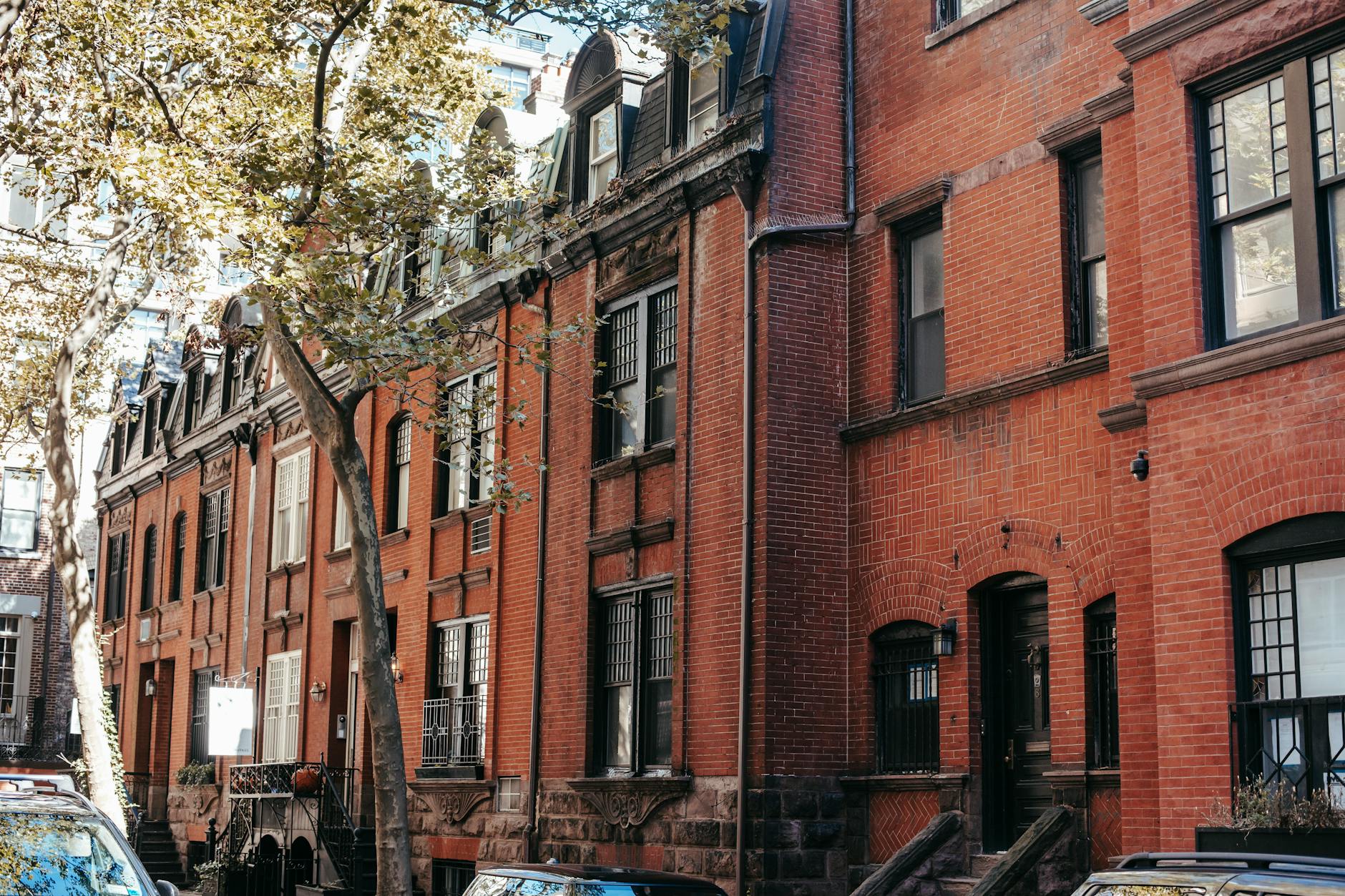
Dr. Margaret Stein, a preservation consultant working with the project, emphasized the importance of maintaining architectural integrity. “These buildings showcase Queen Anne Revival and Georgian Revival styles that define Palmer Park’s streetscape,” Stein said. “The challenge is upgrading systems and amenities without erasing what makes them architecturally significant.”
Mercury Development committed to hiring specialists experienced in historic renovation. The firm is collaborating with preservationists to ensure window restoration, masonry repair, and other exterior work meets Secretary of Interior standards for historic preservation.
Looking Ahead
The $30 million investment represents a major bet on Palmer Park’s future. It also signals confidence from a developer in the neighborhood’s trajectory, particularly as other parts of Detroit experience similar residential investment.
Rental rates in Palmer Park have increased 12 percent over the past three years, according to data from Detroit’s Community Development Department. Vacancy rates in residential buildings have dropped from 22 percent in 2021 to 14 percent currently.
“This project arrives at the right moment,” said City Councilmember James Tate, whose district includes Palmer Park. “We’re seeing evidence that neighborhoods can stabilize and grow without losing their character. Mercury Development is betting on that same vision, and I believe they’re going to be right.”
Construction is expected to begin in April, with the first buildings opening to residents in late 2027. Project details and resident information sessions are available through Mercury Development’s website and at the Palmer Park Community Center.