The Boston-Edison Historic District has unveiled a new digital walking tour application that guides visitors and residents through one of Detroit’s most architecturally significant neighborhoods, offering detailed histories of the area’s Victorian mansions and early 20th-century homes.
The app, developed in partnership between the Boston-Edison Historic District Association and local tech firm Architectural Narratives Inc., went live on March 1 and features 47 curated stops across the 62-block neighborhood bounded by Woodward Avenue and East Boulevard. The free application is available on both iOS and Android platforms.
“This is a game-changer for how people understand and appreciate our neighborhood,” said Jennifer Hartley, president of the Boston-Edison Historic District Association. “We wanted to democratize access to the architectural history that makes this place so special.”
Detailed Historical Information at Your Fingertips
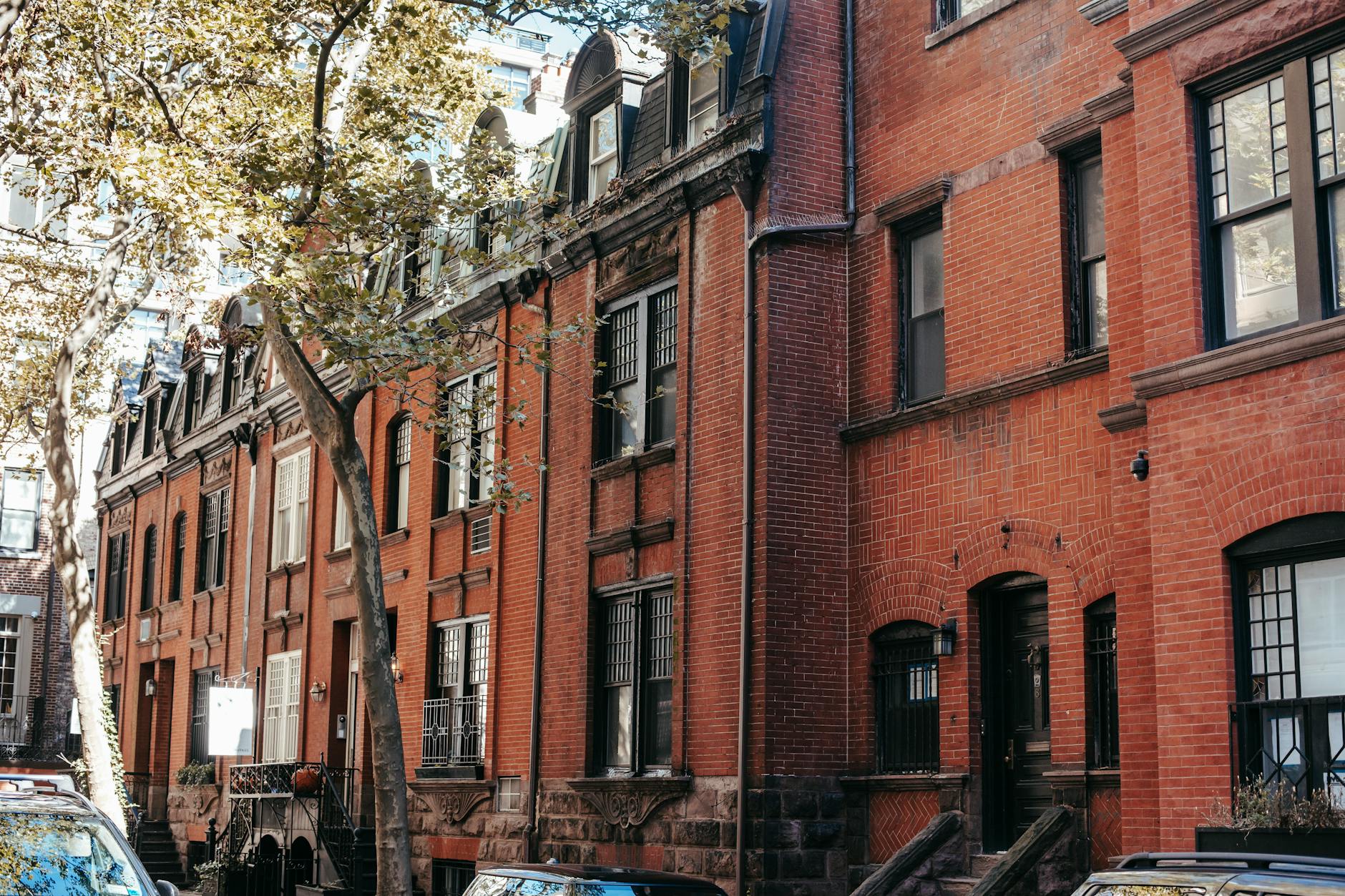
The app provides users with comprehensive information about prominent residences, including construction dates, original architects, and the notable families who lived there. Each property listing includes high-resolution photographs, historical documents, and architectural details that explain the design elements that define the neighborhood’s character.
Among the featured properties is the 1905 Dodge House, located at 70 West Boston Boulevard, which was designed by renowned Detroit architect Albert Kahn. The app includes extensive documentation about the home’s Beaux-Arts architectural style and its significance in the broader context of early automotive-era wealth in Detroit.
Users can follow three different themed walking routes: the “Industrial Titans” route highlighting homes of automotive magnates, the “Architectural Styles” route focusing on design elements, and the “Hidden Gems” route featuring lesser-known but architecturally significant properties.
Community Involvement and Local Expertise
The development process took 18 months and involved input from neighborhood historians, architectural professors from Lawrence Technological University, and long-time Boston-Edison residents. The team conducted extensive research in the Burton Historical Collection at the Detroit Public Library and the Wayne County Register of Deeds.
“We wanted to ensure accuracy and depth,” said Dr. Sarah Chen, project director at Architectural Narratives Inc. “Every building description was fact-checked against primary sources. This isn’t just superficial information. These are real stories about real people and real architecture.”
The app also features an augmented reality component that allows users to see historical photographs of buildings overlaid on their modern-day appearances. This feature proved particularly popular during the beta testing phase last fall, according to Hartley.
Supporting Preservation Efforts
Revenue from optional premium features within the app will fund the Boston-Edison Historic District Association’s preservation initiatives. The association has committed to using proceeds to support restoration grants for property owners undertaking historically appropriate renovations.
The neighborhood, which has experienced significant investment in recent years, faces ongoing preservation challenges. Many of the district’s 1,200 historic properties have been subdivided into apartments, and some owners lack resources for proper maintenance of exterior details.
“Education is prevention,” said Marcus Thompson, chairman of the district’s preservation committee. “When people understand what they’re looking at, they’re more likely to respect it and maintain it properly. This app helps build that appreciation.”
Early Response and Future Expansion
Since its launch, the app has been downloaded more than 2,100 times, with usage tracking indicating strong engagement from both tourists and residents. The Boston-Edison Historic District Association has already begun planning expansions.
“We’re working on adding audio narration in multiple languages and developing a companion podcast series featuring interviews with architectural historians and long-time residents,” Hartley said. “Phase two launches in September.”
Local business owners in the neighborhood have embraced the app as a potential economic development tool. The Boston-Edison Business Association has promoted the walking tours to nearby restaurants and retail shops as a way to attract foot traffic.
“More people exploring the neighborhood means more people dining at our restaurants and visiting our shops,” said Kavita Patel, owner of Boston-Edison Cafe on Woodward Avenue. “This app puts our community on the map for cultural tourism.”
Broader Implications for Detroit
The Boston-Edison app arrives amid renewed interest in Detroit’s historic neighborhoods. Similar digital preservation projects are in development for Corktown and the West Village, suggesting a citywide trend toward technology-enabled heritage tourism.
Urban planner David Roosevelt, who consulted on the project, sees broader significance in the initiative. “Digital tools like this can revitalize neighborhoods by telling their stories in engaging ways,” he said. “Boston-Edison has always been architecturally important. Now it’s becoming culturally visible in a new way.”
The app is free to download and works offline, making it accessible to visitors without reliable cellular service. The Boston-Edison Historic District Association estimates that the neighborhood attracts approximately 15,000 heritage tourists annually, a number the association hopes will increase with the new digital resource.