State legislators introduced a sweeping education funding bill Friday that would restore Detroit Public Schools to per-pupil spending levels not seen since before the district entered emergency management in 2015, marking a potential turning point for the chronically underfunded system.
House Bill 4782, sponsored by Rep. Sherry Gay-Dagnoni of Detroit and co-sponsored by a bipartisan group of 23 lawmakers, would allocate an additional $342 million annually to DPS over the next five fiscal years. The measure represents one of the most aggressive state-level efforts to address the funding disparities that have plagued Michigan’s largest school district for over a decade.
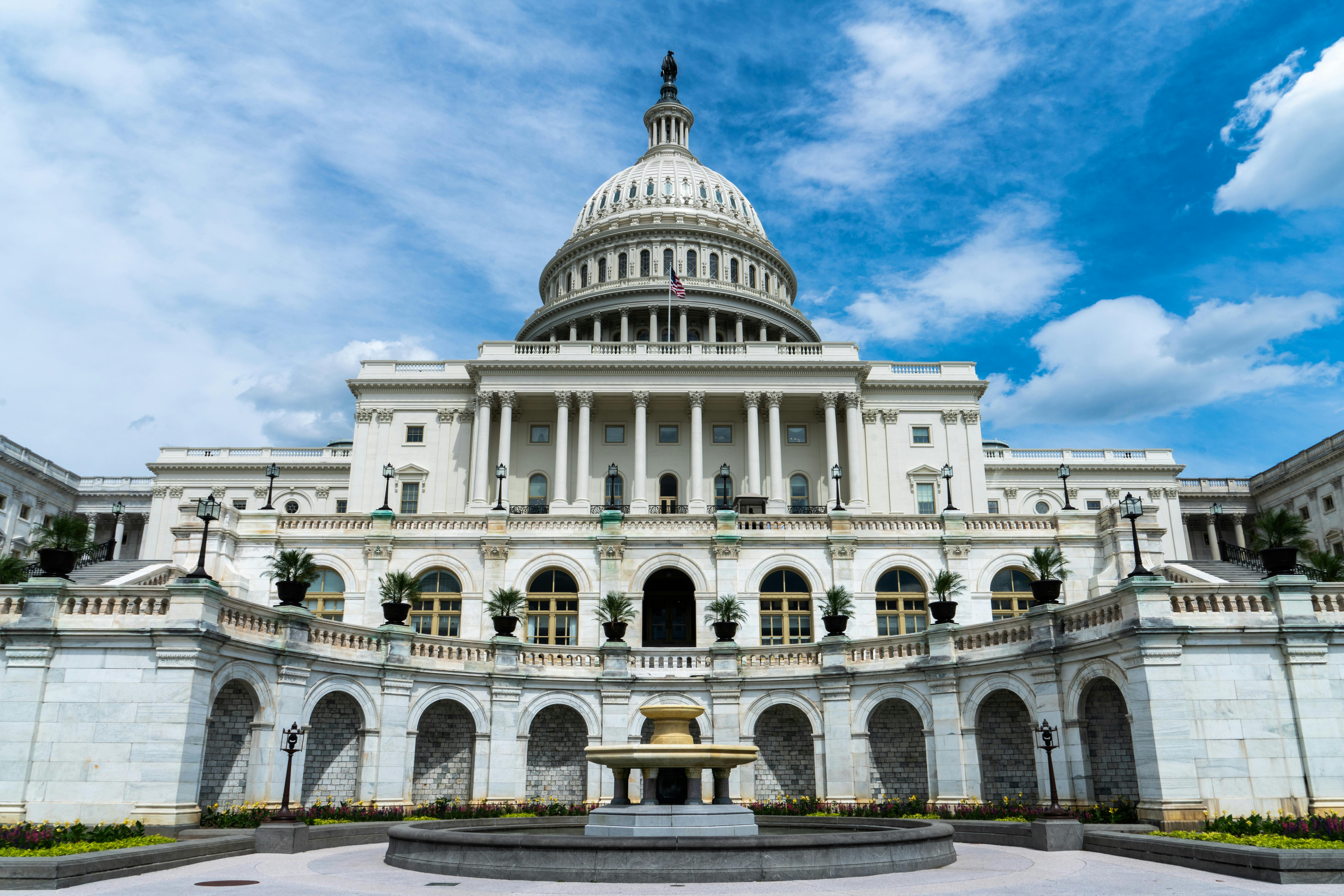
“Detroit’s children deserve the same resources as students in Grosse Pointe or Ann Arbor,” Gay-Dagnoni said during a press conference at the state Capitol in Lansing. “This bill acknowledges the historic injustice of our school funding system and begins to make it right.”
The proposal comes as DPS superintendent Nikolai Vitti has intensified calls for equitable funding. Current per-pupil spending in Detroit stands at $8,420 annually, roughly $1,800 below the state average and $3,200 below surrounding suburban districts. Before emergency management took hold, DPS received approximately $9,100 per student in inflation-adjusted dollars.
A Decade of Cuts
Detroit Public Schools entered state receivership in 2015 after years of financial mismanagement and declining enrollment. The emergency manager system, which stripped local school board powers, coincided with deep cuts to classroom resources, teacher layoffs, and deteriorating school buildings. While the district exited emergency management in 2019 under the leadership of Vitti’s predecessor, funding levels never fully recovered.
The district currently serves 42,800 students across 97 schools, down from nearly 90,000 students two decades ago. Despite smaller enrollment, the district’s per-pupil spending remains significantly lower than comparable urban districts nationwide.
“The math is simple,” said House Minority Leader Curtis Hertel Jr., who signed on as a co-sponsor. “We have fewer students but less money per student. That’s not a coincidence. It’s a policy choice that Michigan has made, and this bill changes that choice.”
Funding Mechanism and Implementation
The legislation would increase state education funding to Detroit through a dedicated allocation in the Michigan School Aid Budget rather than relying on the traditional per-pupil foundation allowance. This approach bypasses some of the state’s weighted funding formulas that have historically disadvantaged urban districts.
The bill phases in the funding over five years, beginning with $65 million in fiscal year 2027 and increasing by approximately $69 million annually until reaching the full $342 million by fiscal year 2031. Lawmakers structured the gradual increase to allow state budget planners time to identify revenue sources without creating sudden shortfalls in other departments.
“We’re not talking about robbing Peter to pay Paul,” said Rep. Laurie Pohutsky, who co-sponsored the measure. “We have the resources as a state. This is about priorities and values.”
DPS officials have identified priority spending areas that would benefit from the additional funding, including special education services, mental health counseling, early literacy interventions, and building repairs. The district estimates that $89 million of the additional funding would support teacher retention and competitive salary increases.
Political Landscape and Opposition
The bill’s introduction reflects shifting political dynamics around education funding in Michigan. While Republicans traditionally opposed major state spending increases, the bill attracted support from five GOP lawmakers, including Rep. Andrew Fink from Hillsdale and Rep. Jack O’Malley from Mackinac Island.
However, the measure faces potential headwinds from the Republican-controlled Senate. Senate Appropriations Chair John Bumstead said Friday that he would review the bill carefully but expressed concerns about the state’s overall fiscal position.
“We want to help all Michigan students, including those in Detroit,” Bumstead said. “But we need to ensure any new spending is sustainable and doesn’t compromise our fiscal stability.”
Education advocates argue that the additional investment would yield long-term economic benefits for the state. A 2024 study commissioned by the Michigan Association of School Administrators found that every dollar invested in K-12 education generates approximately $3.50 in economic activity over time.
Community Response
DPS parent groups and community organizations have rallied behind the proposal. The Detroit Education Equity Coalition, which includes parent activists and social justice organizations, gathered 8,400 petition signatures in support of the bill.
“Our children have waited long enough,” said coalition leader Patricia Simmons during the press conference. “This is not charity. This is justice.”
Superintendent Vitti praised the legislators’ effort but cautioned that the bill represents a first step rather than a complete solution.
“This funding increase is transformative for our district and long overdue,” Vitti said. “But we will continue advocating for changes to Michigan’s overall school funding formula to ensure no district operates under permanent disadvantage.”
The bill is scheduled for committee review beginning March 10, with advocates planning extensive grassroots outreach throughout the spring legislative session.