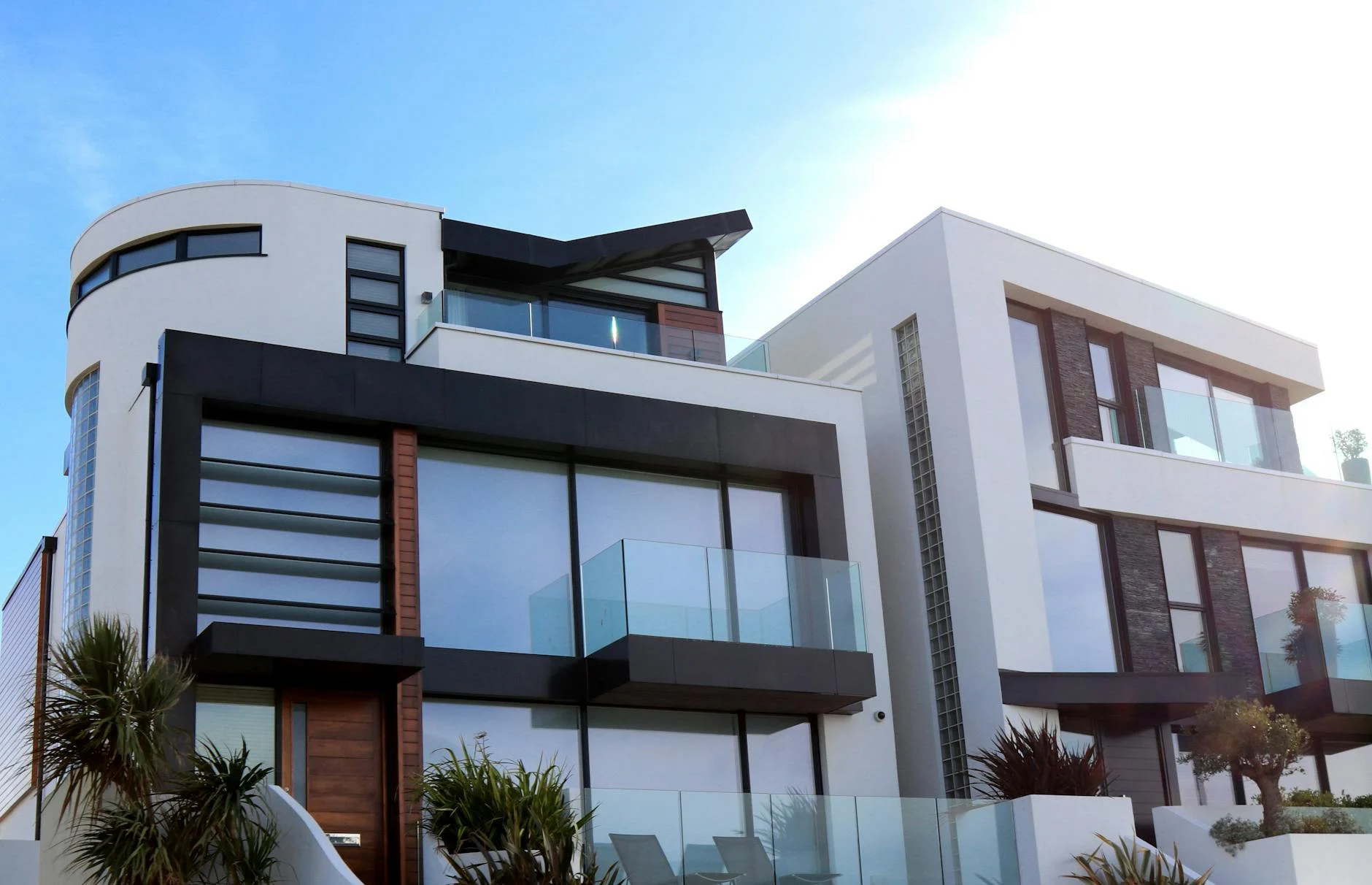
All 24 units in the third phase of the Brush Park Commons development sold out in less than two days, marking the fastest sales pace in the project’s four-year history and signaling accelerating momentum in one of Detroit’s most competitive real estate markets.
The sellout occurred between Friday afternoon and Sunday morning, with the final unit claimed by a buyer Sunday at 9:47 a.m., according to development firm Brush Park Collective. Prices for the phase ranged from $389,000 to $625,000, with an average sale price of $487,500.
“We knew Phase Three would move fast, but we didn’t expect this,” said Jennifer Torres, director of sales for Brush Park Collective, in a phone interview Monday. “We had over 150 qualified inquiries before we officially opened sales. The neighborhood has reached a tipping point.”
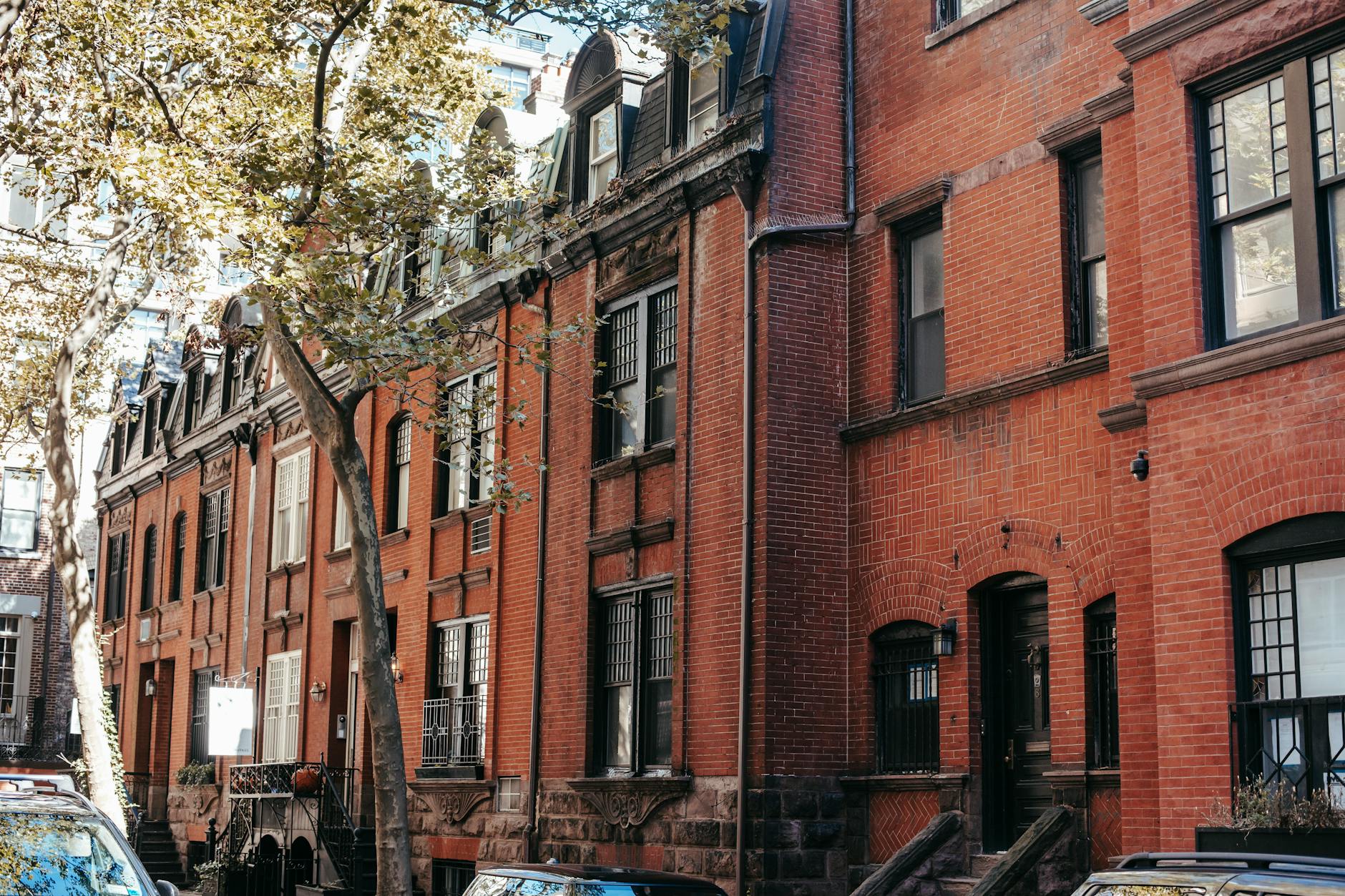
Brush Park, a historic neighborhood north of Midtown, has experienced a dramatic transformation over the past three years. Once marked by vacant buildings and disinvestment, the area now draws young professionals, families, and investors seeking authentic urban living within walking distance of downtown.
A Neighborhood in Demand
The rapid sellout reflects broader trends reshaping Detroit’s housing market. Home prices across the city climbed 31 percent between 2023 and 2025, with neighborhoods like Brush Park seeing even steeper gains. According to data from the Detroit Area Real Estate Council, median home prices in Brush Park jumped from $285,000 in late 2023 to $485,000 currently.
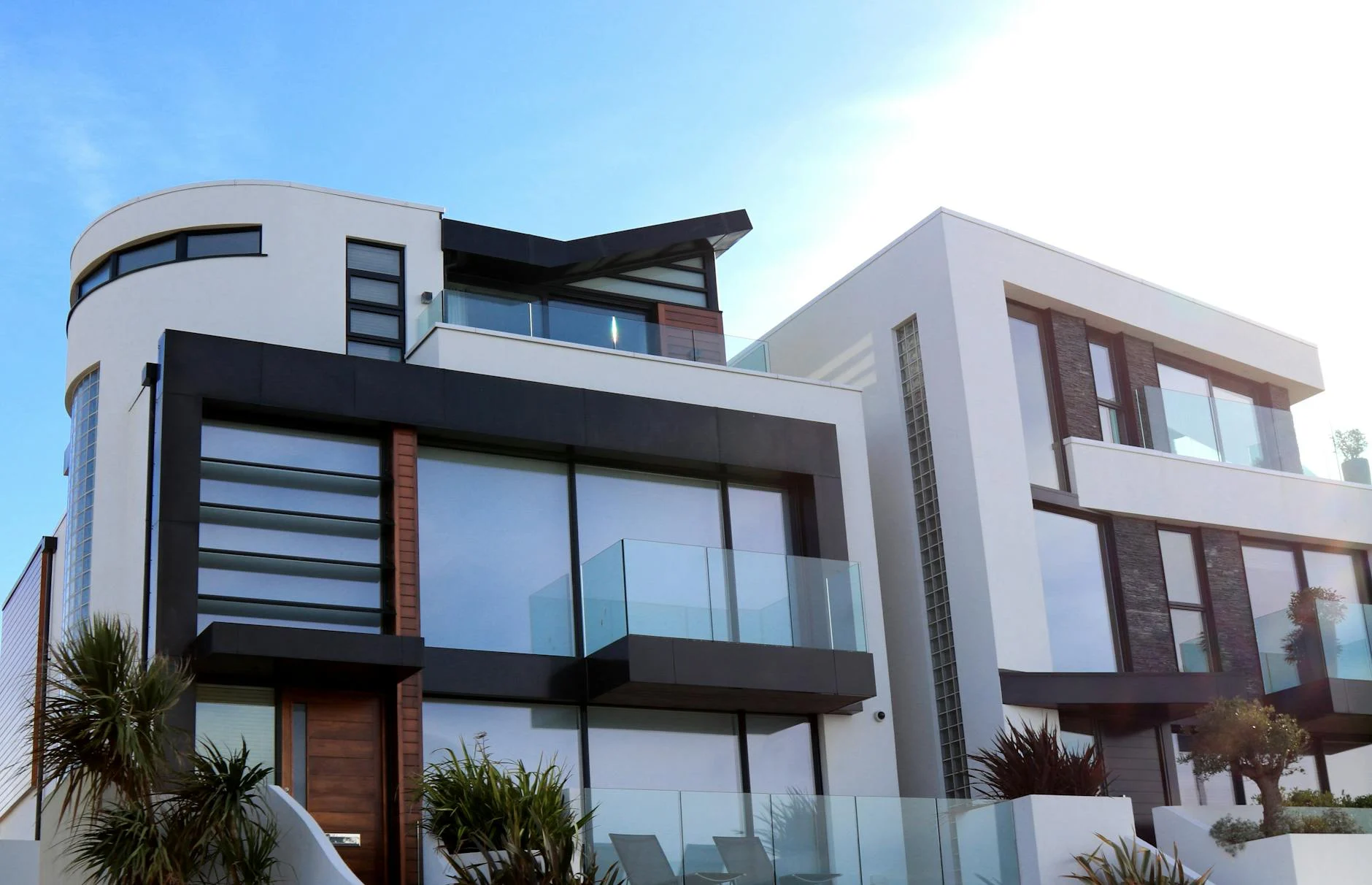
Brush Park Commons, located on the corner of Brush and Woodward Avenue, has become a anchor project for the neighborhood’s revival. The mixed-use development includes 112 townhomes, retail space, and a central plaza designed by architecture firm Skidmore, Owings and Merrill.
Phase One, completed in 2022, sold out over a six-month period. Phase Two, finished in 2024, moved faster, with all 28 units claiming buyers within three months.
“Phase Three’s performance tells us something important about Detroit’s trajectory,” said Dr. William Chang, an urban economist at Wayne State University who has tracked Detroit real estate trends. “The city isn’t just stabilizing. It’s attracting capital and people at a pace most didn’t anticipate even two years ago.”
Who’s Buying
Developers report that buyers came from diverse backgrounds. About 40 percent were Detroit natives returning to the city, while 35 percent relocated from other Midwest cities like Chicago and Minneapolis. The remaining 25 percent moved to Detroit from coastal metros, primarily New York and San Francisco.
“A lot of people are reassessing what they want from urban life,” Torres explained. “They look at Detroit, see authentic neighborhoods, lower costs, and real economic momentum, and the decision becomes obvious.”
The typical buyer was between 28 and 42 years old, worked in technology, healthcare, or finance, and was drawn to the walkability of Brush Park and its proximity to downtown offices and cultural institutions.
One buyer, Sarah Martinez, 34, a software engineer relocating from Seattle, visited the sales office on Friday evening and purchased a corner unit with a private terrace by Saturday morning. “The price point is remarkable for a city this vibrant,” Martinez said in a text message. “In Seattle, you pay three times this for something half as nice.”
Development Momentum Continues
The success of Phase Three is already spurring additional development nearby. Three other projects are now under construction within two blocks of Brush Park Commons, with a combined 180 units in various stages of planning or construction.
The Wayne County housing authority announced Monday that it would commit $15 million in affordable housing funds to ensure that future developments in Brush Park include units for households earning below 80 percent of the area median income. With median household income in Detroit around $35,000, this would help preserve affordability as prices climb.
“Brush Park’s success is real, but we need to be intentional about who gets to stay,” said Councilwoman Latoya Roberson, whose district includes the neighborhood. “We saw displacement happen in other neighborhoods. We’re committed to preventing that here.”
Brush Park Collective is still evaluating timing for Phase Four, which would add another 26 units to the development. Torres said the company is also exploring a vertical component, with potential mixed-income apartments in a mid-rise building on adjacent land.
“Phase Three exceeded expectations on every metric,” Torres said. “We’ve already received 80 formal applications for Phase Four’s waiting list, and we haven’t even announced pricing yet. That’s the kind of demand we’re seeing.”
The Phase Three sellout reinforces Detroit’s position as one of the nation’s hottest real estate markets among younger professionals and represents a significant vote of confidence in Brush Park’s transformation from overlooked historic district to thriving urban neighborhood.