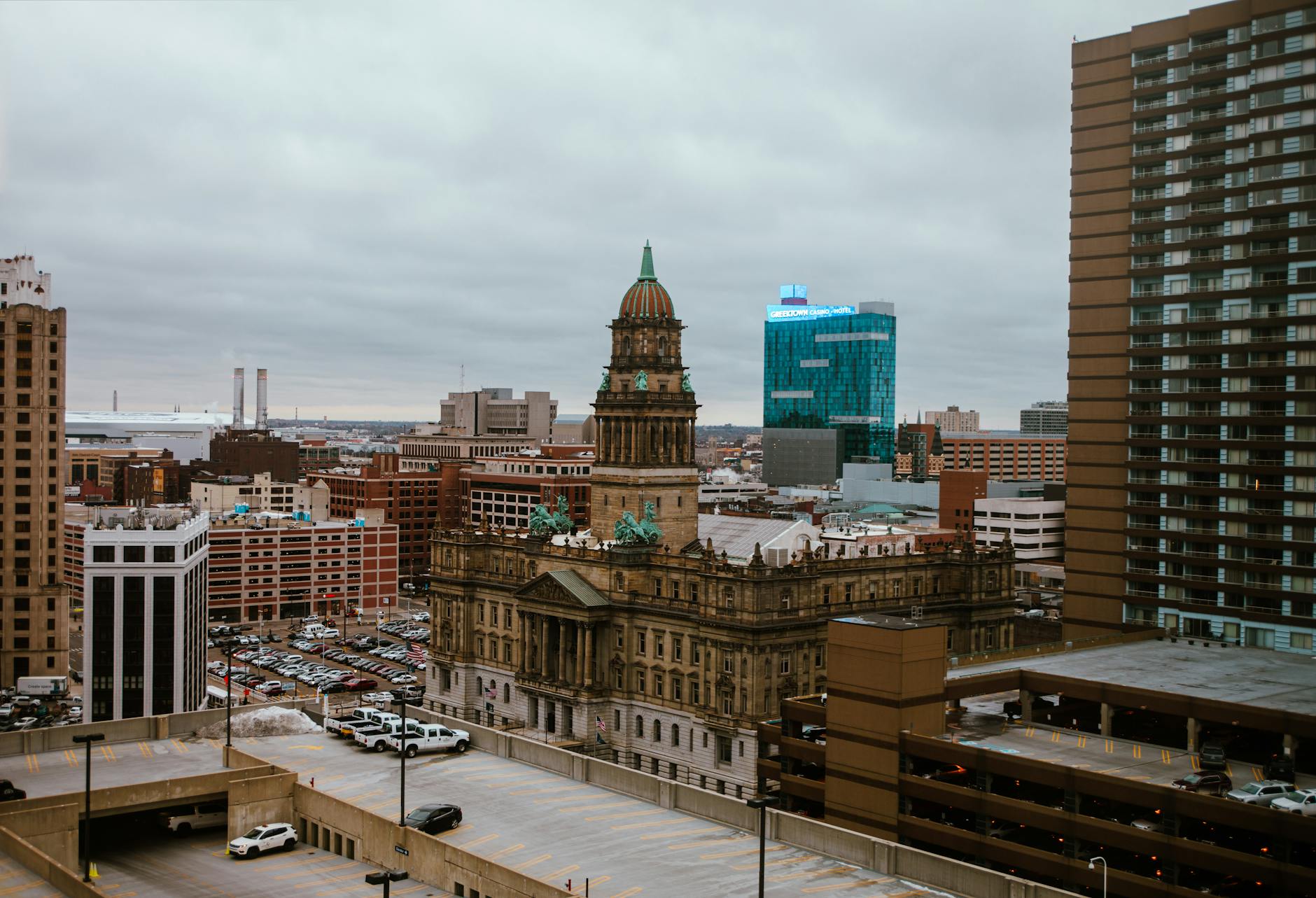
Detroit’s construction sector is firing on all cylinders. The city issued 847 new construction permits in 2025, up 35 percent from 627 permits in 2024, signaling robust investor confidence and accelerating development across neighborhoods that were dormant just five years ago.
The surge represents the strongest year-over-year growth since the city began tracking comprehensive permit data in 2010, according to figures released by Detroit’s Buildings, Safety Engineering and Environmental Department on Monday.
“We’re seeing genuine momentum across the board,” said Angelique Chenault, director of the Buildings Department. “These aren’t just downtown projects anymore. We’re getting applications from Midtown, Corktown, the Riverfront, and neighborhoods like Rosedale Park and Sherwood Forest where private investment seemed impossible a decade ago.”
The 35 percent jump reflects broader economic trends reshaping Detroit’s real estate landscape. Young professionals returning to the city, tech companies expanding operations, and out-of-state developers betting on the region have created unprecedented demand for residential and commercial space.
Residential Construction Leading Growth
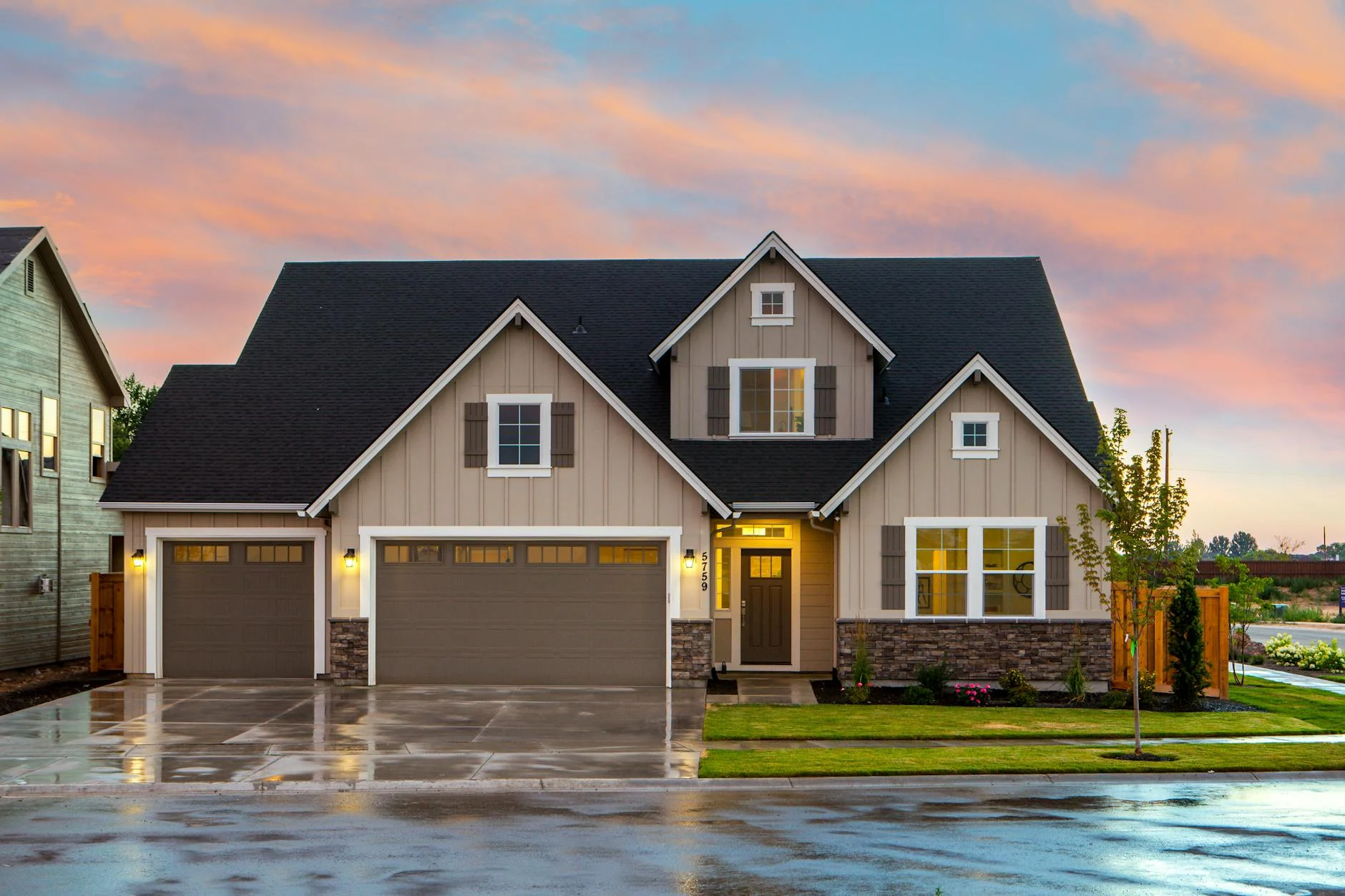
Residential permits account for 62 percent of the increase, with 525 permits issued last year compared to 389 in 2024. Developers are particularly focused on mixed-use projects that combine apartments with ground-floor retail, a model that appeals to city planners and addresses demand for walkable neighborhoods.
Jeff Burdick, CEO of Detroit-based developer Bedrock Detroit, said the permitting surge reflects pent-up demand from years of underinvestment. “When I came to Detroit in 2011, nobody wanted to build here. Now we can barely keep up with interest from national and international investors,” Burdick said in an interview Tuesday.
Notable residential projects approved last year include a 320-unit apartment complex in Corktown being developed by Chicago-based Firehook Ventures and a 185-unit development in Midtown by local developer Craig Gagnon. Both projects will include ground-floor retail and community spaces.
Commercial and industrial permits grew 18 percent year-over-year, reaching 322 approvals in 2025. This category includes office space, manufacturing facilities, and logistics centers drawn to Detroit’s central location and improving infrastructure.
Tech and Manufacturing Driving Commercial Interest
Major corporate relocations and expansions have bolstered commercial activity. Tech companies particularly have gravitated toward downtown Detroit and the Cass Corridor, where they can access talent and operate modern facilities. Several announced expansion plans in 2025 that required building permits.
Manufacturing and industrial permits also jumped, reaching 156 approvals. Developers are converting old factory buildings into mixed-use spaces while new facilities are being constructed to support automotive supply chains and emerging industries like battery production and electric vehicle components.
The permitting growth comes as housing costs continue rising citywide. Average residential rent increased 12 percent in 2025 compared to 2024, according to data from local real estate research firm Detroit Regional Commercial Real Estate Services. Purchase prices for single-family homes rose 8 percent over the same period.
Challenges in Meeting Demand
Despite the construction surge, many housing advocates warn that supply is still not keeping pace with demand. Detroit needs an estimated 8,000 additional units to address the affordability crisis, according to a 2024 study by the Detroit Community-wide Housing Goals Initiative.
Only 18 percent of the residential permits issued in 2025 included affordable housing components, a metric tracked by the city. Developers argue that affordable housing becomes profitable only with government subsidies or tax incentives that are often unavailable.
“We want to build affordable housing, but the economics are challenging,” said Maria Sanchez, director of development for a local affordable housing nonprofit. “Construction costs have risen dramatically, and rents required to support those costs price out lower-income renters. We need more city and state support.”
The Buildings Department is working to streamline the permitting process further. Average approval time decreased to 22 days in 2025 from 31 days in 2024, a change that Chenault attributes to hiring additional staff and implementing new digital systems.
“We removed bureaucratic bottlenecks and invested in technology,” Chenault said. “A faster approval process helps developers move projects forward and brings projects to market quicker.”
Looking Ahead
Projections for 2026 remain optimistic but cautious. Urban Land Institute economists forecast continued but slower growth, expecting 5 to 10 percent year-over-year permit increases as some market saturation occurs in downtown neighborhoods.
Chenault said the department is monitoring several large projects that could push 2026 numbers higher. Several developers have indicated plans to submit permits for major residential and mixed-use developments in neighborhoods including New Center and along the Dequindre Cut.
The construction boom is reshaping Detroit’s physical landscape and tax base. City officials estimate that the construction permits issued in 2025 represent approximately $1.4 billion in projected investment, based on typical project costs and sizes.
While challenges remain regarding affordability and equitable development, the construction surge reflects genuine transformation. “Five years ago, people said Detroit’s comeback was hype,” Burdick said. “These numbers prove the comeback is real.”