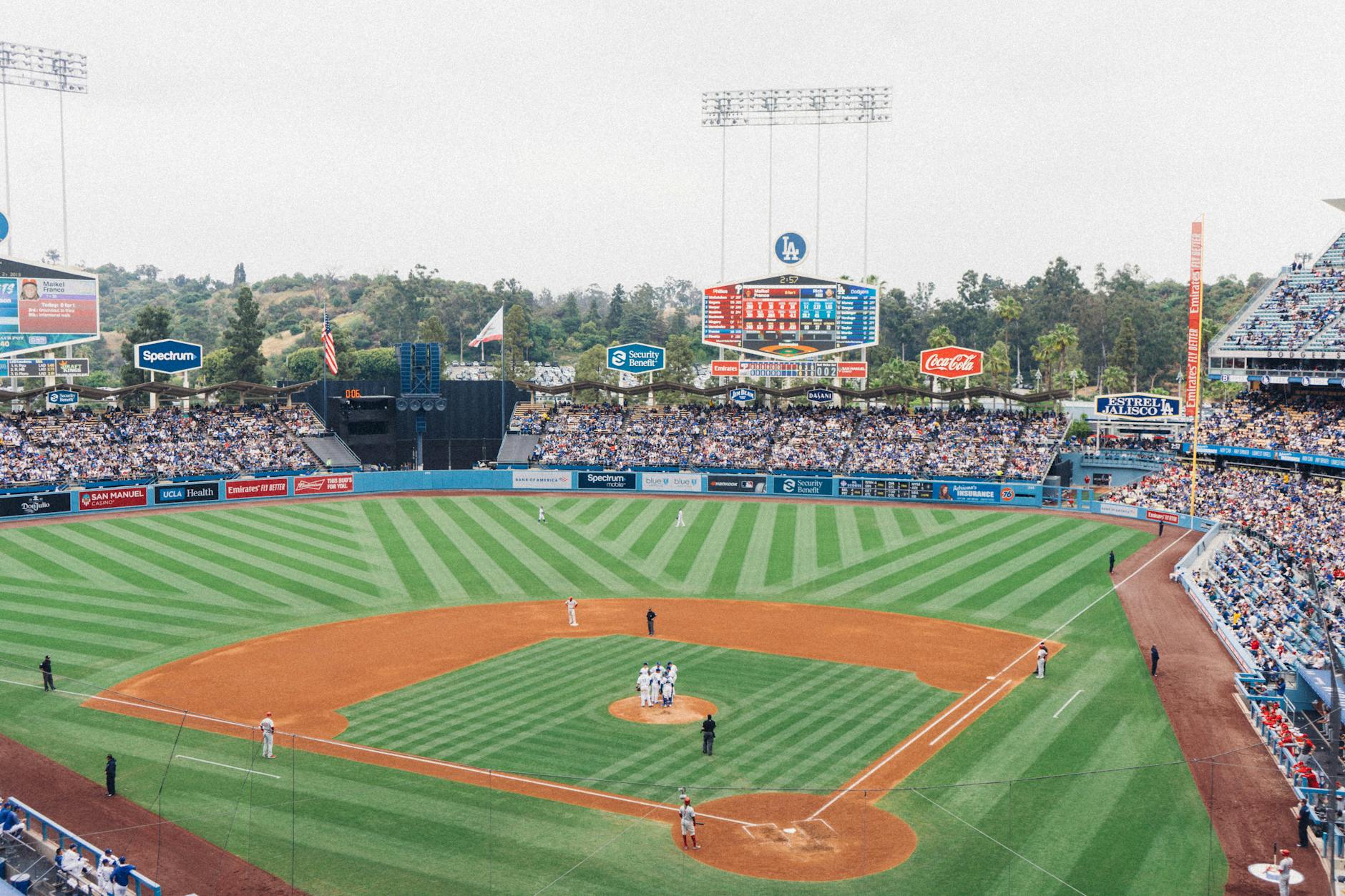
The Detroit Tigers are days away from finalizing their 2026 Opening Day roster, and the decisions Scott Harris and the front office make in these final cuts will say everything about where this organization thinks it stands. Is this a team ready to compete for a division title? Or is it still threading the needle between developing young talent and chasing wins? The answer, based on how spring training 2026 has unfolded, is genuinely both, and that tension makes the final roster construction one of the most interesting puzzles in the American League Central.
Here’s a breakdown of what we know, what’s still being decided, and what the full picture tells us about the Tigers’ 2026 strategy.
The Philosophy Driving This Roster
Harris has been consistent in his messaging since taking over as president of baseball operations: the Tigers want to compete now without mortgaging the future. Last year’s playoff push validated that approach. The 2025 squad, built around Tarik Skubal’s Cy Young-winning season and a surprisingly productive offense, gave Detroit fans a reason to stay tuned through October for the first time in years.
The 2026 roster carries higher expectations and higher stakes. The farm system still has depth, but several of those prospects are now knocking on the big-league door. The front office has to decide which ones get pushed through immediately and which ones get one more month in Toledo.
That question shapes everything.
The Starting Rotation: Set at the Top, Questions Below
Skubal returns as the unquestioned ace, and Casey Mize has looked healthy and sharp this spring after battling injury concerns. Beyond those two, the Tigers have interesting decisions to make.
Reese Olson is locked in as a starter after showing legitimate mid-rotation stuff last season. Jackson Jobe, the former third overall pick, has done enough in camp to earn a spot, though his innings will likely be monitored carefully given his developmental arc. That puts the fifth starter role up for genuine competition, with veteran depth options battling younger arms for the final spot.
The strategic read is clear: the Tigers believe their rotation is deep enough to absorb some developmental growing pains from a younger arm without it sinking their season. That’s a confident stance, and it reflects how much the pitching infrastructure has improved under this front office.
The Bullpen: Where the Real Cuts Get Painful
Every roster crunch comes down to the bullpen, and 2026 is no different for Detroit. The Tigers have more usable arms than spots, which is a good problem to have but still a problem.
Will Vest and Jason Foley figure to hold late-inning roles. Beau Brieske has shown enough versatility to stick. The back end of the bullpen is where several interesting names are fighting for two or three remaining spots, including younger arms who had standout springs and veterans who bring experience but limited upside.
The front office’s willingness to carry a younger reliever over a seasoned veteran would signal genuine confidence in their pitching development pipeline. Watch this space closely when the final cuts come.
The Infield: Mostly Settled, One Real Battle
Colt Keith at second base, Spencer Torkelson at first, and Javier Baez at shortstop form the core of the infield. Baez remains a polarizing figure among fans, but the Tigers are committed to him as the everyday shortstop for now.
Third base is where things get genuinely interesting. The Tigers have options with different profiles, and the choice they make says something about whether they prioritize defensive reliability or offensive upside at this particular lineup spot. A younger option with a higher ceiling versus a proven veteran with a steadier floor: that’s exactly the kind of decision that defines a roster’s identity.
The bench infield picture is largely about depth and versatility. Expect the Tigers to carry at least two infielders who can play multiple positions, giving manager A.J. Hinch the flexibility to navigate doubleheaders and injuries without getting exposed.
The Outfield: Riley Greene Leads the Way
Greene in center field is one of the better stories in the game right now. His continued development has been a cornerstone of the Tigers’ rebuild, and heading into 2026 he looks like a genuine offensive threat who can anchor the middle of their lineup.
The corner outfield spots are more open. Matt Vierling brings versatility and a quality glove. Beyond him, the Tigers have a mix of options with different offensive profiles competing for playing time.
The larger question in the outfield is whether the Tigers have enough thump. Last year’s lineup could be streaky, and the front office addressed some of that in the offseason, but the outfield configuration heading into Opening Day will tell us whether they feel comfortable with their current power production or whether they’re leaving a window open for a midseason trade.
The Catcher Situation
Jake Rogers and Dillon Dingler figure to split catching duties, with the Tigers managing both their workloads and their development. Dingler in particular has shown flashes of the offensive potential that made him an intriguing prospect. Carrying two catchers on the active roster is standard, and the Tigers won’t deviate from that.
How This Compares to Last Year’s Opening Day Roster
The 2025 Opening Day squad was built with more of a wait-and-see energy. There were more veterans filling placeholder roles, more hedging against uncertainty. This year’s roster feels more intentional. The Tigers have a better idea of who their core players are, and the decisions being made this spring reflect that clarity.
The rotation is deeper. The bullpen has more options. The lineup, while still not a powerhouse, has a better-defined structure. The upgrade from 2025 to 2026 isn’t dramatic, but it’s real, and in a division where the Minnesota Twins and Cleveland Guardians are the main competition, marginal improvements matter.
Projected 26-Man Roster
Starting Rotation (5): Tarik Skubal, Casey Mize, Reese Olson, Jackson Jobe, TBD fifth starter (battle between veterans and a younger arm, with youth having the edge)
Bullpen (8): Will Vest, Jason Foley, Beau Brieske, plus five additional arms drawn from a competitive group of veterans and younger options, with the Tigers likely prioritizing upside over experience in the final two spots
Catchers (2): Dillon Dingler, Jake Rogers
Infielders (6): Spencer Torkelson (1B), Colt Keith (2B), Javier Baez (SS), primary third baseman TBD, two versatile bench infielders with multi-position capability
Outfielders (5): Riley Greene (CF), Matt Vierling, three additional outfielders covering corner spots and bench depth, with one of those spots genuinely undecided heading into the final week of camp
What the Roster Tells Us About the Strategy
The Tigers are not a team blowing up their developmental timeline to win right now. But they are also not a team content to simply develop players and wait for the future to arrive. The 2026 roster represents a genuine attempt to compete while keeping the infrastructure intact.
Harris and his staff have shown a preference for adding pieces through trades and free agency that complement rather than replace their homegrown core. That’s smart asset management, and it’s why the Tigers haven’t gutted their farm system to acquire a star who might not fit their competitive window.
The risk in this approach is that the Tigers end up good enough to post a winning record but not quite good enough to make a serious playoff run. That’s a real possibility. The AL Central is winnable, but the Tigers would need Skubal to remain elite, the young pitchers to take steps forward, and the offense to find consistency.
The reward, if it works, is a roster that stays competitive for multiple years because the core is young and cost-controlled. Greene, Keith, Jobe, and Olson are all under team control. If they develop as expected, the Tigers won’t need another complete rebuild. They’ll just need to keep adding the right pieces around a strong foundation.
Opening Day is close. The final cuts will come fast. Every choice the Tigers make in these last days of spring training is a signal about where this franchise is headed, and right now, the signals are worth paying attention to.