Aram Mrjoian spent years wrestling with a question that would stop most writers cold. Am I Armenian enough to write this book?
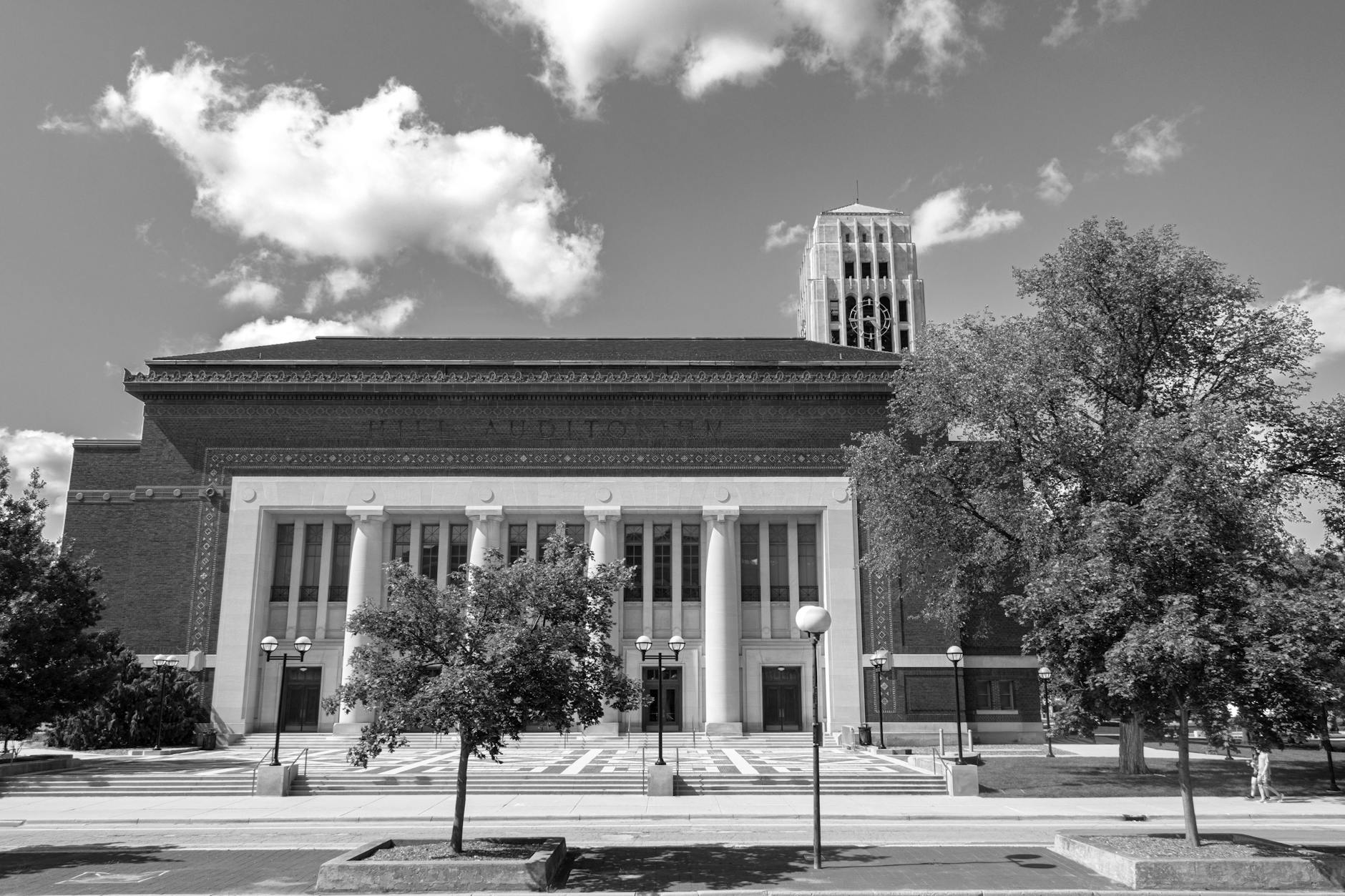
The answer, it turns out, is a debut novel that puts an Armenian American family from Grosse Ile at the center of a grief story that stretches back more than a century. “Waterline” came out last June, and Mrjoian, a creative writing lecturer at the University of Michigan, has been hearing about it ever since.
The setup is devastating in the best way. The Kurkjian family’s youngest generation includes a young woman who swims out into Lake Michigan farther than she can swim back. Her death pulls her parents, aunt and uncle, and cousins into a reckoning with family history, and with the long shadow of the Armenian Genocide, the early 20th century mass killing of Armenians by the Ottoman Empire. The family patriarch, Gregor, survived Musa Dagh, one of the few sites where Armenians mounted successful armed resistance. More than a hundred years later, his great-grandchildren are still shaped by the stories he told.
Mrjoian grew up in southeast Michigan, Armenian American, but his relationship to the culture is complicated in ways he doesn’t try to hide. He doesn’t speak the language. He doesn’t attend the church. “It’s my name,” he told interviewers, “and it’s some of the food I eat and certainly my cultural touchstones.” That specificity, the partial belonging, the family stories without full fluency, is exactly what the novel is built from.
The Weight of Historical Explanation
Here’s the tension Mrjoian worked through across multiple drafts. When you write about a community that has survived genocide, readers expect a certain kind of book. Historical context, documented horror, educational scaffolding. There’s real commercial pressure to deliver that. Mrjoian felt it.
But he didn’t want to write historical fiction. “I didn’t want to engage in recreating the trauma of the genocide,” he said. What he wanted was to show how that history lives inside a family in 2018, how it bends the way people drink at holidays, how it shapes what gets said at dinner and what doesn’t.
The result is a novel largely set in 2018 where the genocide hovers rather than dominates. Some readers in the Armenian community have pushed back. He’s received emails from people who felt the Kurkjians don’t represent their experience. Drinking. Adultery. Not the community they know.
Mrjoian’s answer is straightforward. That’s the community he knows.
Still, the question he kept returning to is a genuinely hard one: what does a writer owe readers when the history behind the story is a documented atrocity? At a moment when anyone can search the Musa Dagh resistance or the broader genocide on their own time, is a novelist obligated to stop the story and explain? Mrjoian decided no. He trusted his readers.
Writing From the Fringe
The “fringe” is actually his word. As he moved through his MFA and PhD, Mrjoian read deeply into Armenian American literature, immersing himself in writers who came before him and grappling with where his own perspective fit. What he landed on was writing from his specific vantage point, that of someone who is “on the edge or the fringe” of the community, rather than trying to claim a centrality he didn’t feel.
Early in his career, he worried that drawing on his Armenian background was a kind of manipulation. A way of asking readers to feel something by leveraging a history he maybe hadn’t fully earned the right to use. That anxiety softened as he worked. Not disappeared. Softened.
What he wanted, ultimately, was a story about Armenian Americans that wasn’t only a reminder of the genocide. Not a monument. A family. Messy, partly assimilated, loving each other imperfectly on an island in the Detroit River.
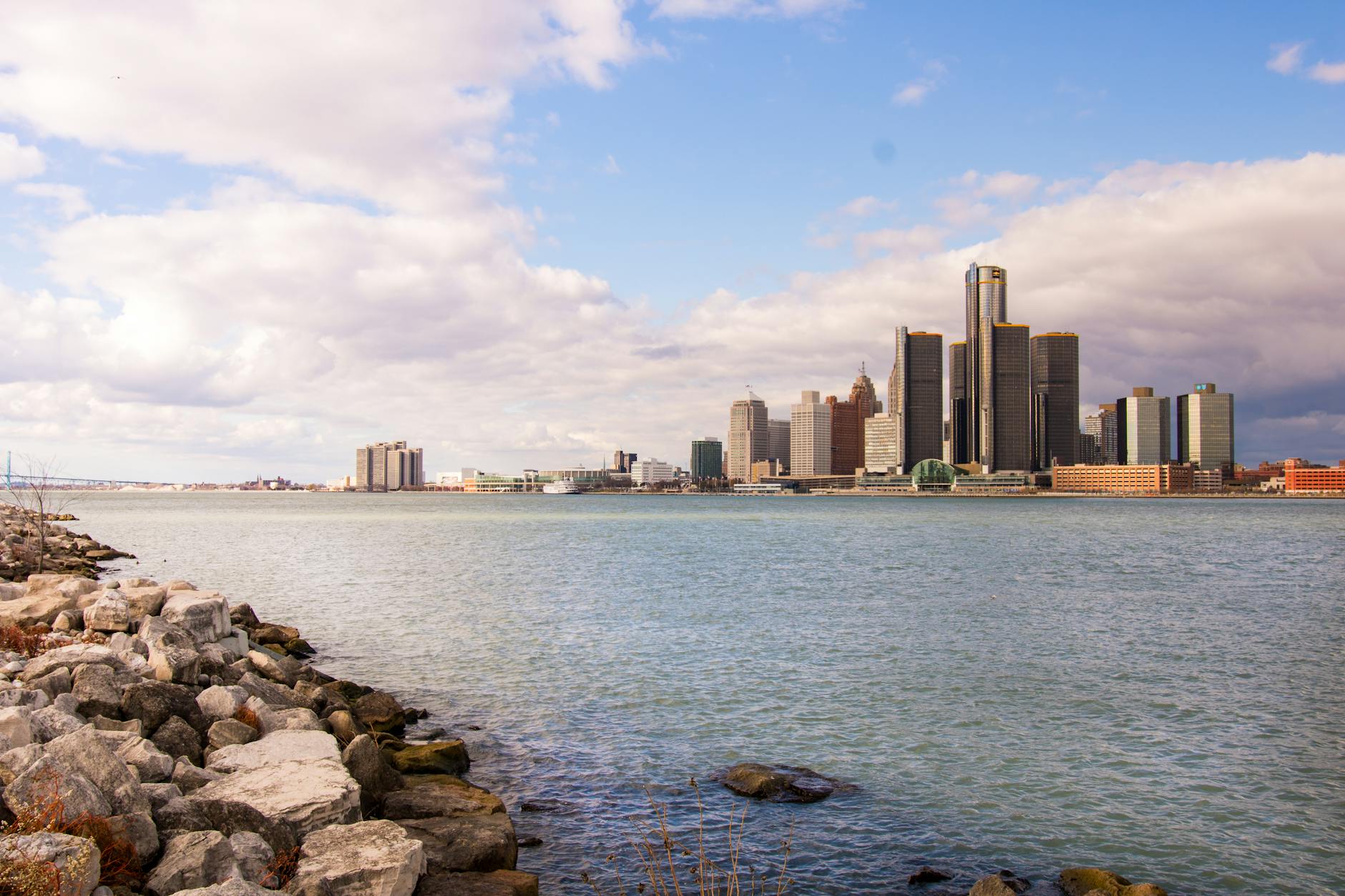
Grosse Ile is doing a lot of work in this book, culturally speaking. It’s not a Detroit neighborhood in the Brightmoor or Corktown sense, but it’s deeply southeast Michigan, the kind of suburb that feels both insular and waterlogged, perfect for a novel about what families keep and what they let sink.
Hour Detroit’s coverage of Mrjoian and the novel digs further into his thinking about heritage, obligation, and craft.
“Waterline” is available now. If you’ve been waiting for Michigan-rooted fiction that takes Armenian American identity seriously without flattening it into tragedy, this is it.