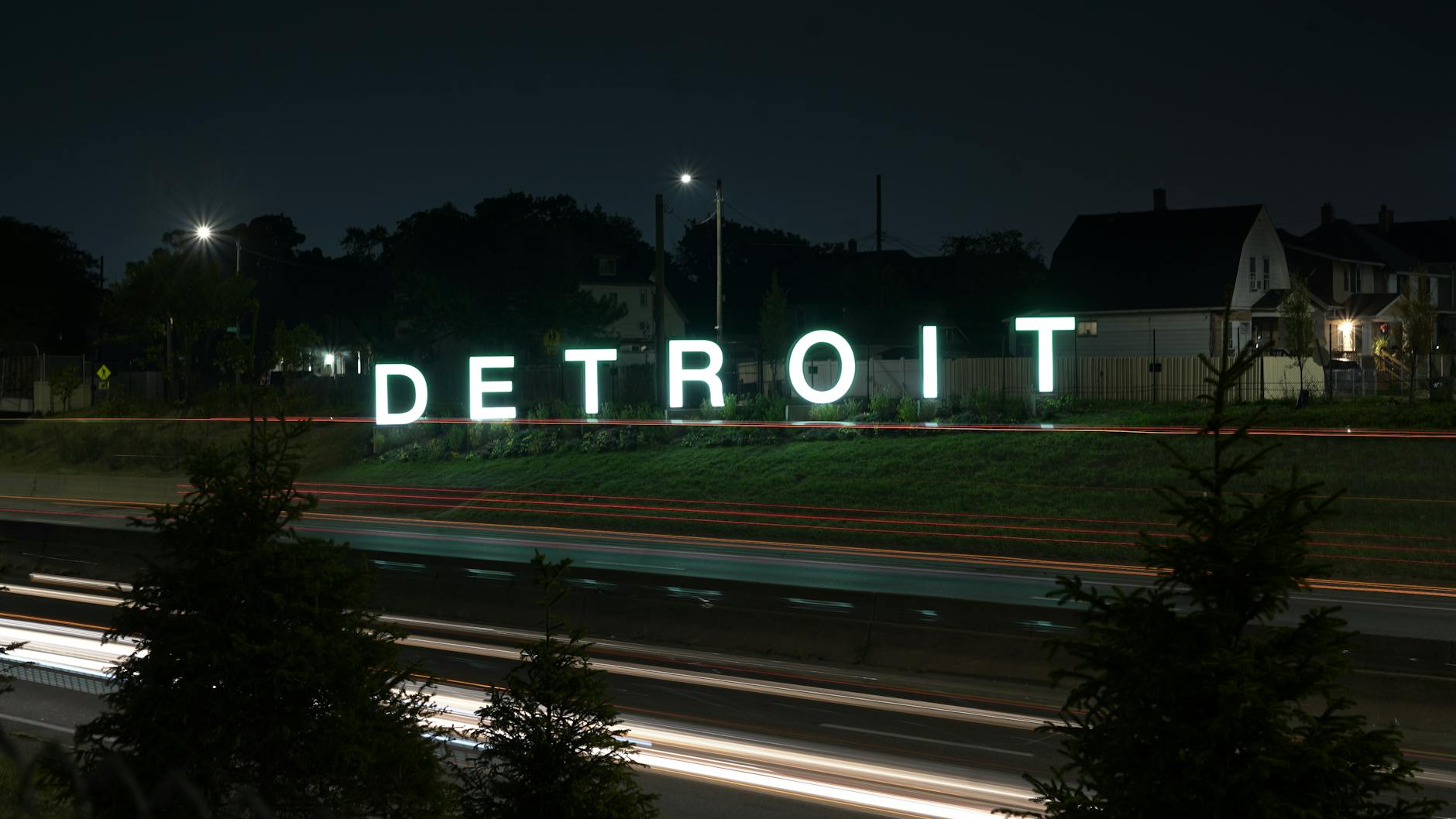
Detroit ranked last. Not second-to-last, not near the bottom. Last.
In November 2025, the March of Dimes dropped its annual report card on birth outcomes across the country’s biggest cities, and Detroit posted a 16.6% preterm birth rate, the highest recorded among the 100 U.S. cities with the most births. That’s one in six babies arriving before 37 weeks. It’s 50% higher than Michigan’s state average. It beats out Chicago, Miami, New York. Every major city on the list.
Those numbers don’t stay abstract for long when you’ve lived them.
“I was with my brother when my nephew was born and died on the same day in a local Detroit hospital,” Welch told the audience at the American Association of Birth Centers’ Birth Institute conference. “We are the statistics that we talk about, and that guides this work.”
Leseliey Welch said that from the keynote stage. She earned the right to say it.
Welch is CEO of Birth Center Equity, a national nonprofit that’s put close to $10 million into strengthening 40 community birth centers now serving 58 communities across the country. She’s also the co-founder of Birth Detroit, the city’s first freestanding community birth center, sitting in the Petoskey-Otsego neighborhood on Detroit’s west side.
What Birth Detroit Actually Does
It’s not a hospital. That’s the whole idea. Birth Detroit runs midwifery-led, culturally centered care completely outside the hospital infrastructure that has failed Black mothers and babies in this city for generations. The organization started working with families through Brilliant Detroit during the pandemic in 2020, then in January 2025 moved into its own building and opened full services.
More than 400 families served so far. The goal is 500 families a year.
Research on birth center outcomes has shown lower rates of cesarean delivery and comparable or better safety outcomes for low-risk pregnancies compared to hospital births. That evidence base matters here, because Detroit’s maternal health crisis isn’t hypothetical. Hour Detroit has tracked this story for years, and the pattern doesn’t change: Black babies in this city die at rates that should disqualify the current system from any claim that it’s working.
Welch didn’t arrive at this work from the outside. She spent years inside Detroit’s public health system as deputy director of public health and helped build Corktown Health Center. She knows where the pressure points are and she knows which ones don’t move.
“Detroit’s persistently high infant mortality rates, particularly for Black babies, aren’t about individual choices or behaviors,” she said. “They’re about structural inequities and the intergenerational trauma of systemic racism.”
That’s not a talking point. That’s a diagnosis from someone who watched the system operate from the inside and decided she’d rather build something new than wait for it to fix itself.
The 50 by 50 Vision
Welch’s keynote at the Birth Institute conference laid out the “Beloved Birth 50 by 50” initiative, which sets a target of getting half of all U.S. babies born into the care of midwives by 2050. Currently, midwife-attended births account for a fraction of U.S. deliveries, a number that lags peer nations dramatically, countries where birth outcomes are measurably better.
Fifty percent by 2050. It’s a big number against a long timeline. Welch didn’t pitch it as easy. She pitched it as necessary, and as something that cuts across political lines if you let it.
“Now is the time to state clearly what we are for,” she told the conference.
Not what we’re against. What we’re for.
$600,000 in annual revenue won’t transform a city. But 400 families served in two years, in a neighborhood that’s never had this kind of resource before, is not nothing. It’s a proof of concept. It’s also a counter-argument, built on lived experience and delivered in person, to everyone who still thinks Detroit’s birth outcomes are about personal behavior.
“Detroit’s persistently high infant mortality rates, particularly for Black babies, aren’t about individual choices or behaviors,” Welch said again, because it bears repeating. “They’re about structural inequities and the intergenerational trauma of systemic racism.”
She’s building the alternative. On the west side. Right now.