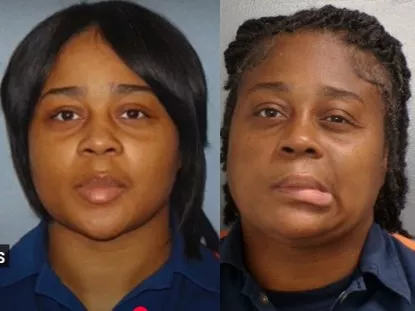
Nine state lawmakers and a coalition of human rights groups are calling on Gov. Gretchen Whitmer to release a seriously ill woman from a Michigan prison before she dies from complications they tie to mold exposure inside the facility.
The pressure campaign centers on a woman incarcerated at a Michigan Department of Corrections facility who supporters say has been made gravely ill by mold growing inside the prison. Her backers want Whitmer to use her executive authority to order a compassionate release before the woman’s condition becomes fatal.
Nine Lawmakers. One Letter.
The letter to Whitmer carries the signatures of nine state legislators, a number that signals this has moved beyond the usual activist circuit and into the kind of bipartisan discomfort that can actually shift a governor’s calculus. Alongside the lawmakers stand pastors, local elected officials, and human rights organizations who say the state is effectively allowing a person to die in custody over a fixable problem. Mold. That’s it. Mold.
Michigan’s compassionate release process, administered through the Michigan Department of Corrections, allows for early release on medical grounds, but advocates say the system moves too slowly for someone in acute decline. The coalition argues that by the time the department’s standard process runs its course, it may be too late.
“We’re asking the governor to act now,” one of the letter’s signatories told Metro Times, framing the request as a matter of basic human dignity rather than a debate over the woman’s underlying conviction.
The Mold Problem Isn’t New
Michigan prison advocates have spent years documenting poor air quality and environmental hazards inside state correctional facilities. The American Civil Liberties Union of Michigan has previously flagged conditions in state prisons as falling below constitutional standards in several documented cases, and mold is a recurring complaint among incarcerated people and their families.
What makes this case different is the visible coalition. Nine lawmakers signing a single letter is a coordinated move, not a constituent call. It signals that at least some members of the Legislature are willing to put their names on paper and push the governor’s office publicly.
For the woman at the center of this fight, the timeline is not abstract. Mold exposure can cause severe respiratory illness, neurological damage, and immune system collapse in people who are already medically vulnerable. If the claims her supporters are making are accurate, she doesn’t have the luxury of waiting for bureaucratic momentum to build.
What Whitmer’s Office Has Said
As of this writing, Whitmer’s office has not publicly committed to acting on the request. The governor has used her executive authority on individual criminal justice cases before, but releases tied to medical conditions inside state facilities don’t happen on a predictable schedule.
The coalition doesn’t seem interested in waiting.
They’re not just asking. They’re naming names, getting clergy involved, and bringing legislators into a public fight that the governor’s office would probably prefer to resolve quietly. That’s a deliberate pressure strategy, and it’s the kind that sometimes works.
What Comes Next
Watch the governor’s office. If Whitmer moves, it likely happens fast and without much public fanfare, because that’s how these releases tend to work when they work at all. If she doesn’t, expect the coalition to escalate, possibly with public demonstrations or formal legislative action that would force a more visible response from the administration.
Michigan prisoners and their families can contact Michigan Prisoner ReEntry Initiative resources for information on medical release pathways, though advocates note the process is slow by design.
The nine lawmakers who signed that letter made a choice to attach their names to something uncomfortable. That’s not nothing. In Lansing, where political cover matters enormously and criminal justice issues carry real electoral risk, putting your signature on a compassionate release demand takes a kind of deliberate commitment that doesn’t go unnoticed.
The woman inside that facility is sick. She can’t wait for the political math to feel comfortable.