Detroit Restaurant Week kicks off this month with unprecedented participation, drawing 85 restaurants across the city and cementing the food scene’s recovery and growth since the pandemic.
The annual event, running January 19 through February 1, marks the highest number of participating establishments in its seven-year history. Organizers attribute the surge to increased interest in Detroit’s culinary renaissance and a strengthened restaurant economy that has bounced back from COVID-19 shutdowns.
“We are thrilled to see this level of enthusiasm from our restaurant community,” said Marcus Chen, executive director of Detroit Restaurants United, the nonprofit organization coordinating the event. “This year’s participation reflects the confidence our chefs and owners have in the market.”
Midtown’s Culinary Boom
Midtown continues to lead the charge as the restaurant destination within the city. Seventeen restaurants in the neighborhood are participating in this year’s Restaurant Week, up from twelve last year. The district’s walkability, cultural institutions, and emerging food scene have made it a hub for both established and startup dining concepts.
“Midtown has become the epicenter of food innovation in Detroit,” said James Rodriguez, owner of Blanc et Noir, a French-American bistro that opened on Cass Avenue two years ago. “Restaurant Week gives us visibility and attracts diners who might not have discovered us otherwise.”
Other Midtown participants include Selden Standard, known for its farm-to-table approach, and Jolly Pumpkin Brewery, which expanded its food program significantly in 2025. The neighborhood also features Supino Bakery, a Detroit institution, and newer entries like Abacus, a contemporary American restaurant that opened in the historic Fisher Building.
What’s on the Menu
Restaurant Week offerings feature fixed-price menus at three tiers: $15, $25, and $35 per person. Diners select from appetizer, entree, and dessert options curated by each participating chef.
Rodriguez explained that Restaurant Week menus are strategic opportunities to showcase signature dishes while maintaining profitability. “We feature items that highlight our kitchen’s strengths but also allow us to work with our supplier relationships efficiently,” he said.
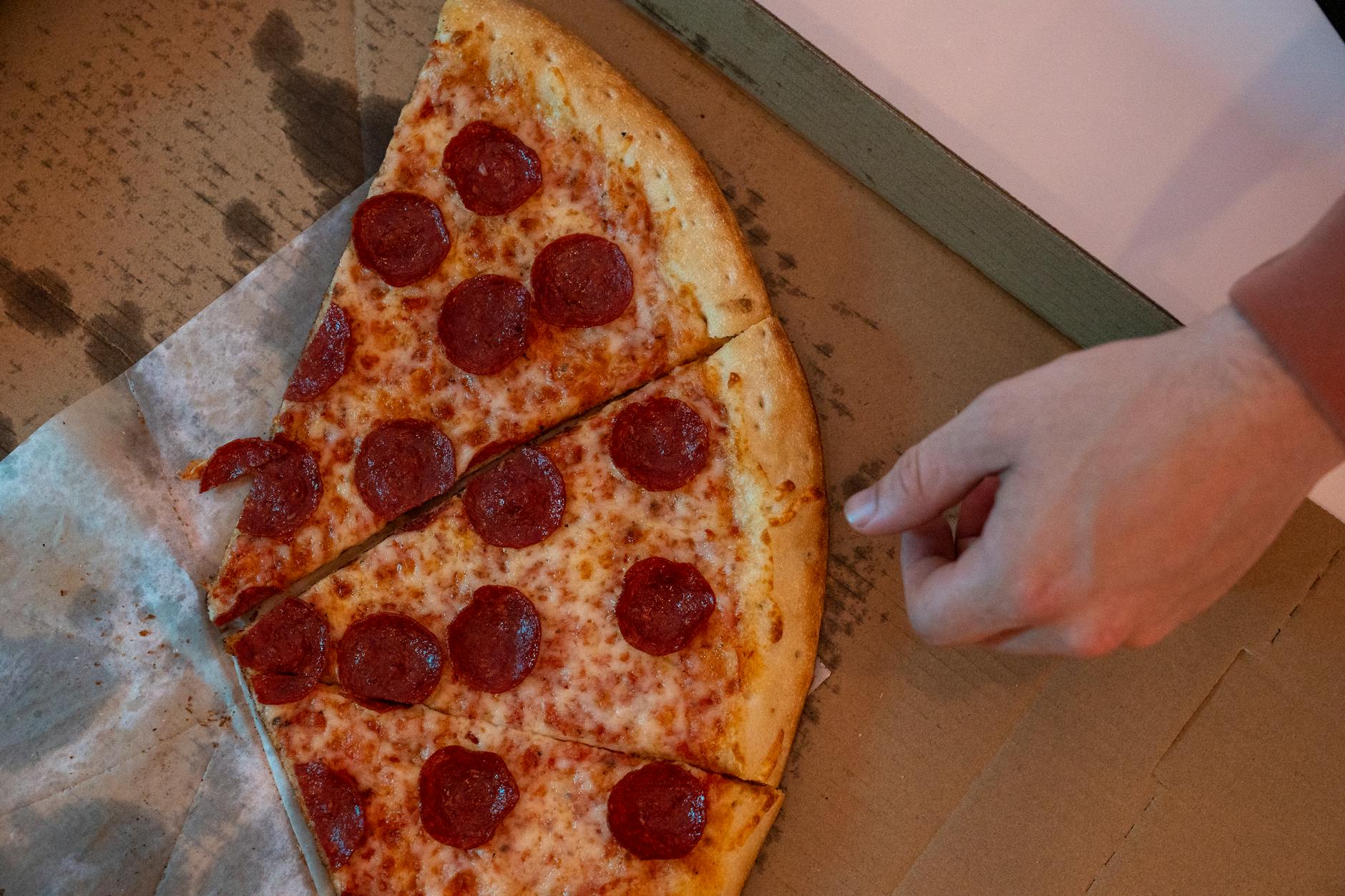
Popular Midtown options this year include Selden Standard’s winter vegetable tasting menu at the $25 price point and Blanc et Noir’s three-course French dinner at $35. Supino Bakery offers a $15 menu featuring wood-fired pizza and baked goods.
Downtown and Corktown also show strong participation with 22 and 19 restaurants respectively. Notable downtown participants include Republica, Iridescence, and Foundation, while Corktown features Slows Bar BQ, Ottava, and Emmy Squared.
Economic Impact and Recovery
The expansion reflects broader economic trends in Detroit’s hospitality sector. According to data from the Detroit Convention and Visitors Bureau, restaurant employment has increased 12 percent since 2023. The average check size has also grown, with diners spending more per person than in previous years.
“Restaurant Week typically generates 30 to 40 percent increases in foot traffic for participating venues,” said Dr. Patricia Williams, an economist at Wayne State University specializing in hospitality industries. “For Detroit, this means roughly 60,000 to 80,000 additional dining occasions during the two-week period.”
That traffic translates to revenue beyond the fixed-price menus. Restaurants report that Restaurant Week diners typically order beverages, additional dishes, and desserts not included in the set menus, increasing overall spending.
Reservations and Planning
Diners interested in participating should book reservations soon, as popular restaurants often fill up quickly during the event. The official Restaurant Week website at detroitrestaurantweek.com provides a searchable database by neighborhood, cuisine type, and price point.
“We encourage people to try neighborhoods they might not have visited before,” Chen said. “Restaurant Week is an affordable way to experience restaurants that might otherwise feel out of reach for some budgets.”
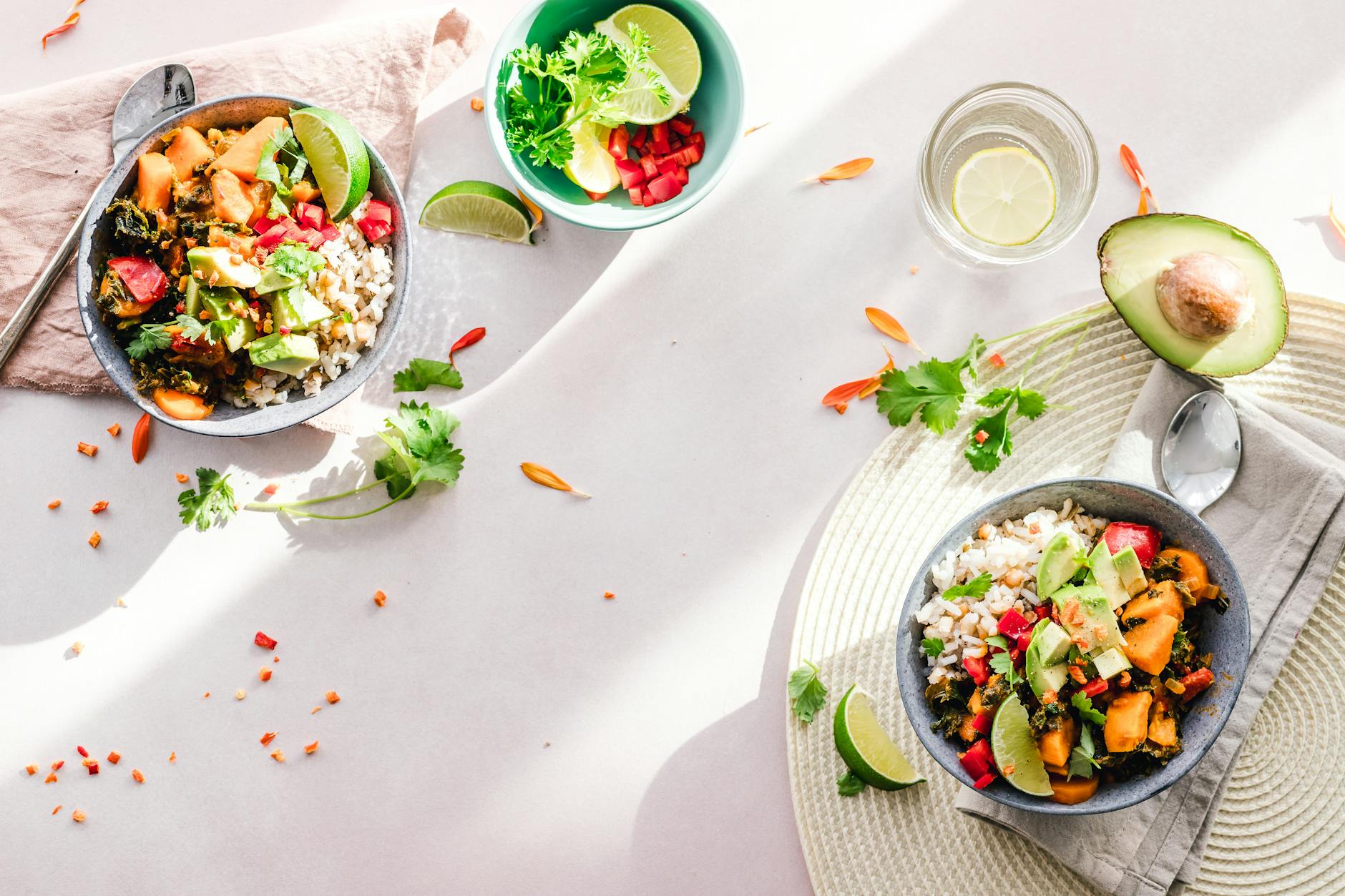
First-time participants this year include several notable new openings. The Gathering in Midtown, a plant-based restaurant focused on sustainable practices, joins the event at the $25 tier. Near Eight Mile, Ember and Oak, a modern steakhouse, participates at the $35 price point.
Community and Support
Beyond the dining experiences, Restaurant Week functions as a community event. A portion of proceeds from each Restaurant Week booking supports Detroit-based culinary training programs through the Detroit Restaurants United Foundation.
“We’ve distributed over $150,000 to culinary education initiatives since 2019,” Chen noted. “These programs help us develop the next generation of chefs and restaurant professionals.”
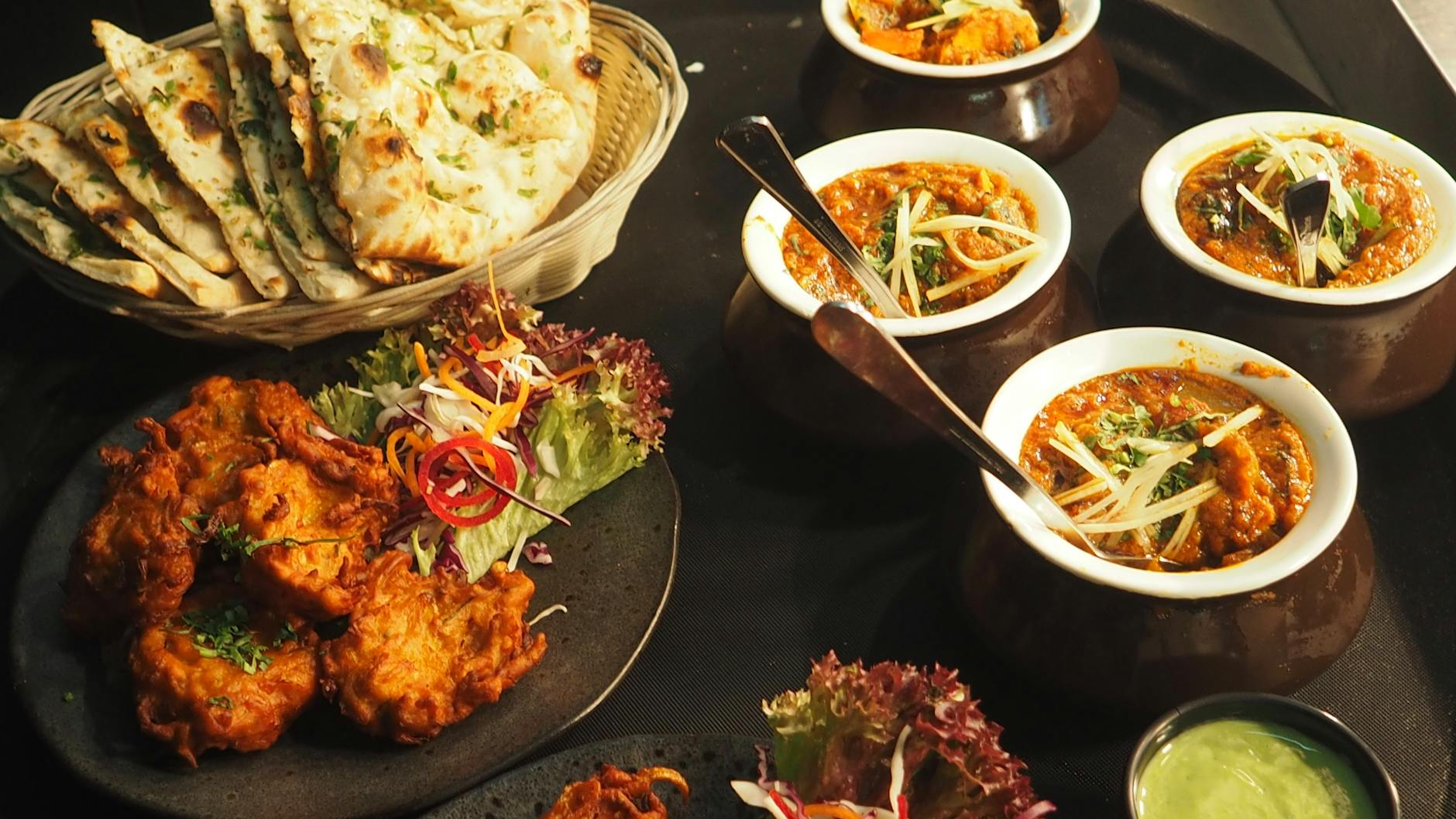
The event also highlights Detroit’s diverse food culture. Participating cuisines range from traditional American comfort food to Vietnamese, Greek, Italian, Mexican, and Asian fusion offerings. This diversity, particularly evident in Midtown’s restaurant roster, reflects the city’s multicultural communities.
As Restaurant Week approaches, the restaurant community views the surge in participation as a validation of Detroit’s food scene trajectory. From casual neighborhood spots to fine dining establishments, chefs and owners see the event as an opportunity to introduce diners to their restaurants and contribute to the city’s ongoing comeback story.