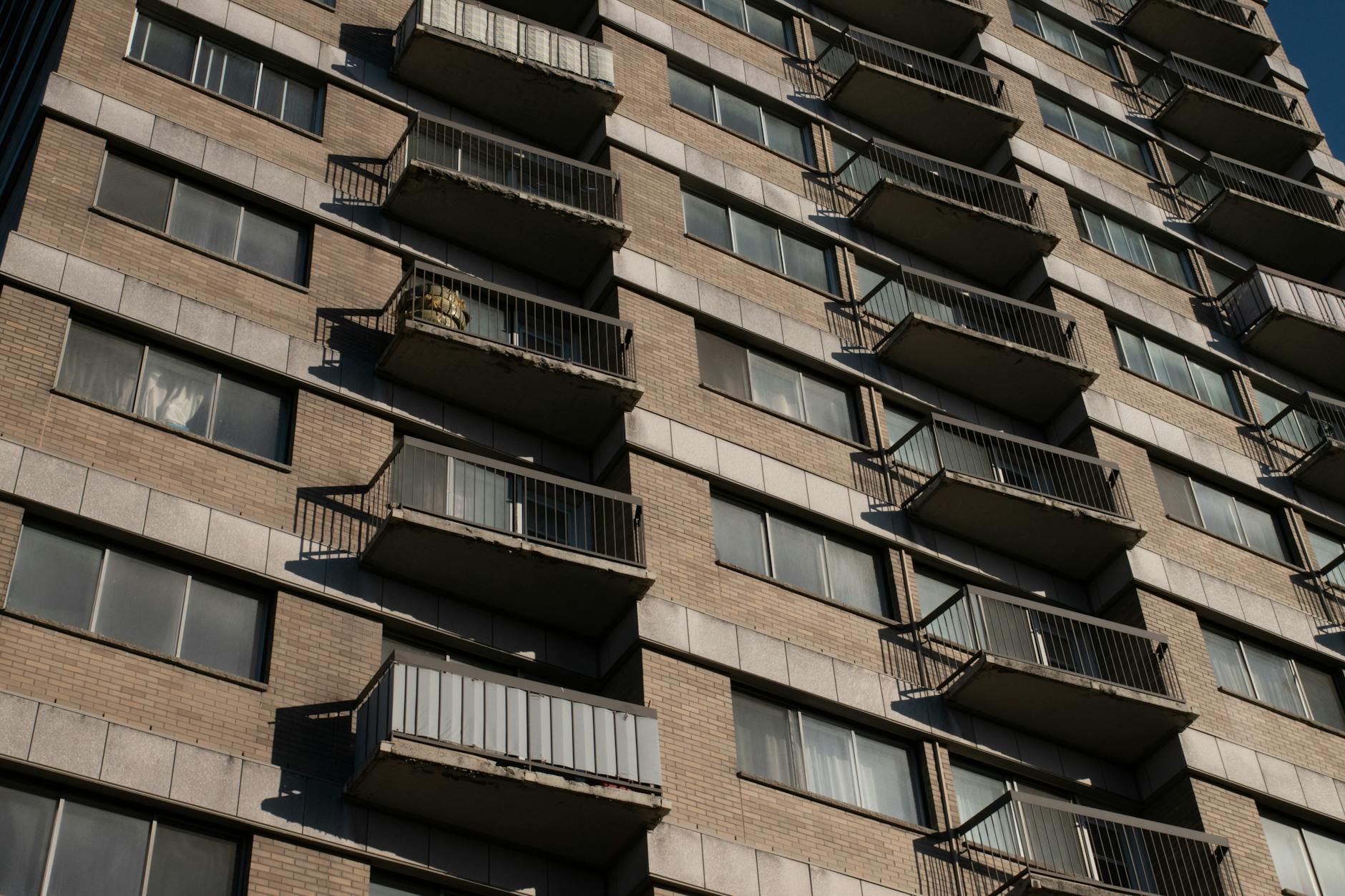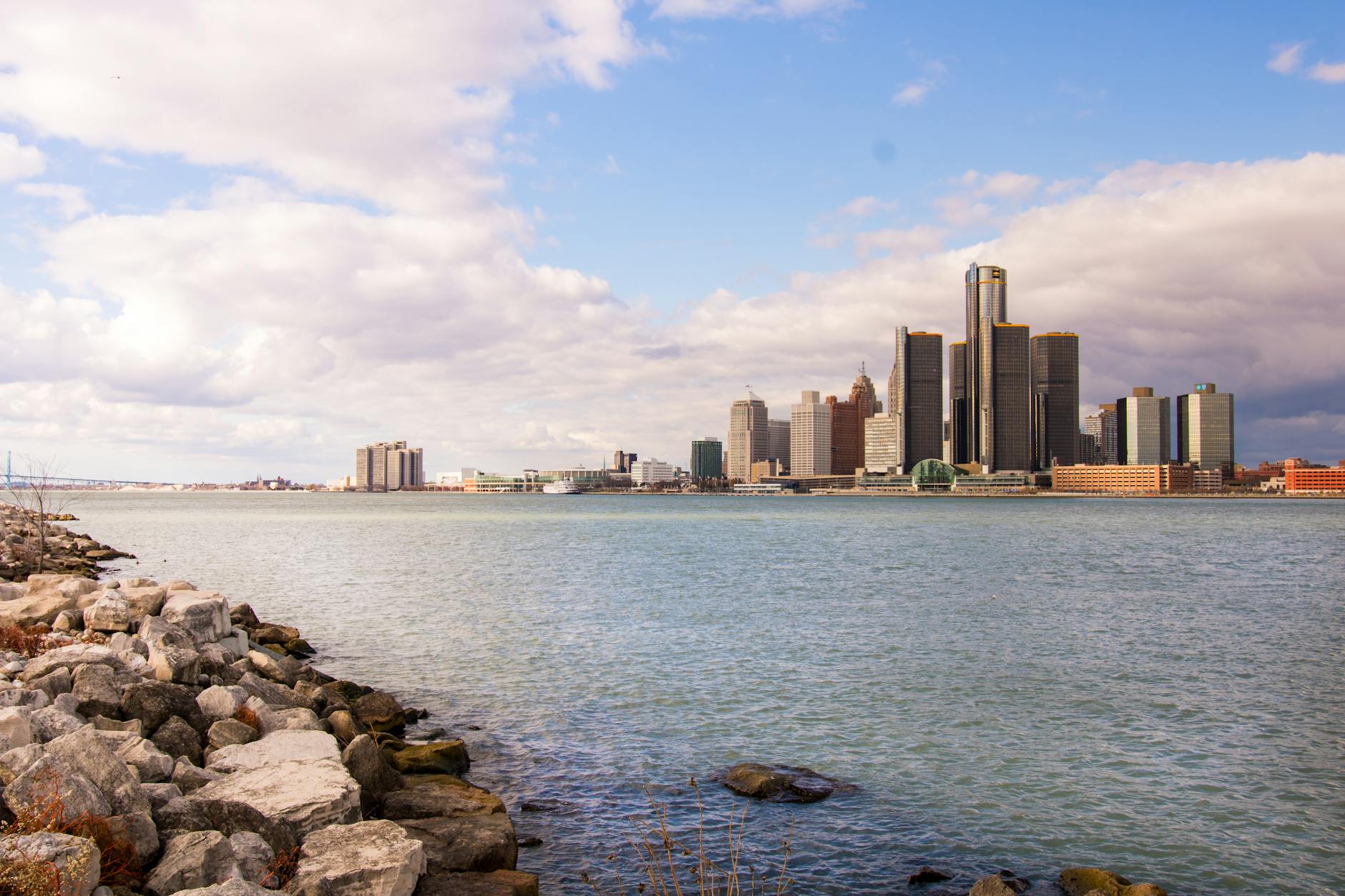
A broad coalition of business, environmental, and housing advocates is pressing Michigan lawmakers to move on a zoning reform package that backers say would chip away at a housing shortage pushing prices out of reach for working families across the state.
The bills, called the Housing Readiness Plan, dropped in February, introduced by Reps. Joe Aragona, a Republican from Clinton Twp., and Kristian Grant, a Democrat out of Grand Rapids. That bipartisan pairing alone is worth noting in a Lansing where housing reform has stalled for years. The package would allow property owners to build duplexes in single-family zones near metro areas, permit accessory dwelling units on lots that already have a primary residence, and update how zoning change protests are processed. It’s a density-first bet on getting more units into the ground without waiting for massive development projects to pencil out.
The coalition behind the push doesn’t fit a single political box, and that’s the point. Groups including Americans for Prosperity, Abundant Housing Michigan, the Michigan Environmental Council, and the Home Builders Association of Michigan are all on board. Conservatives and environmentalists don’t typically sign the same letter in Lansing. When they do, it’s worth paying attention.
The Numbers Don’t Lie
Michigan’s median home sale price sat at $270,000 as of March 2026, according to figures cited by the coalition. That’s not a Detroit problem or a Grand Rapids problem. It’s a statewide one. And the price tag alone undersells the squeeze: a healthy housing market runs with roughly six months of inventory, but Michigan is sitting at three months, according to the National Association of Realtors. Half the cushion a balanced market needs.
The rental side is tighter still. Michigan has just 37 affordable and available rental homes for every 100 extremely low-income renter households, the National Low Income Housing Coalition reports. Three in four of those extremely low-income renters are spending more than 30 percent of their income on housing and utilities. That’s not a budgeting inconvenience. That’s severe cost burden, the technical term, and it means rent, groceries, and medical bills can’t all win at once.
For Detroit renters already working that math every month, the 30 percent threshold isn’t policy language. It’s the number that determines whether the lights stay on.
What the Plan Actually Does
The Housing Readiness Plan isn’t a wholesale rewrite of Michigan’s zoning laws. It’s surgical. Duplexes by right in single-family zones near metro areas. Accessory dwelling units, meaning smaller secondary homes on the same lot as a primary residence, allowed without a lengthy variance fight. Zoning protest procedures updated to reduce the delay that currently lets opponents slow-walk projects into oblivion. None of this requires giant new developments or massive infrastructure buildout. It’s supply added at the margins, which is where Michigan’s shortage actually lives.
Dawn Crandall, executive vice president at the Home Builders Association of Michigan, put it plainly: “The Housing Readiness Plan can help lower costs by reducing land use, modernizing outdated laws and regulations, and cutting lag and costly delays,” Crandall said. “Michigan needs policies to keep up with real world conditions, and we know exactly what contributes to rising homebuilding and residential expenses.”
The environmental angle is real too, not just cover. Nick Gavin of the Michigan Environmental Council made the case directly: “Increasing housing density is a key element in establishing walkable, vibrant communities,” Gavin said. “The Housing Readiness Plan is a step toward Michigan communities reducing carbon emissions, encouraging economic development, and promoting multi-modal forms of transportation.” Denser housing near transit corridors means fewer car miles, which is something the Michigan Environmental Council can get behind even when it means backing a bill championed by home builders.
As Michigan Advance has tracked, the coalition’s push in 2026 carries more political weight than previous reform attempts, precisely because it can’t be dismissed as a single-interest play. When 100 organizations span from Prosperity advocates to environmental groups, the usual lines of opposition get harder to hold.
Whether the legislature acts is a different question. Michigan’s zoning politics have killed good bills before. But the pressure is real, the numbers are damning, and the coalition is broad enough to make inaction uncomfortable.