A proposed four-story, 48-unit affordable housing development at the Butzel Family Recreation Center is dividing east side Detroit residents, with opponents and supporters drawing sharp lines over where the city should build for its most vulnerable neighbors.
The plan would replace the recreation center’s existing parking lot with an apartment building, then construct a new lot on the front of the property, eating into Butzel Park. That tradeoff has neighbors near the Islandview and West Village neighborhoods organized and angry.
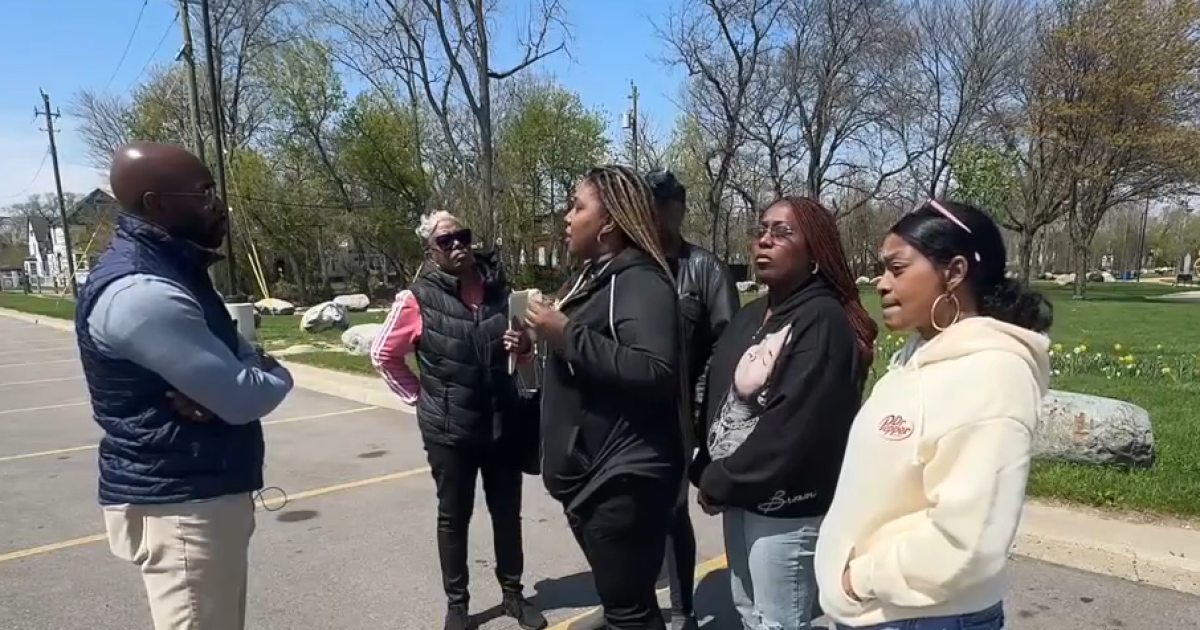
Teresa Reneice Davis is leading the opposition.
“There’s no other suburban city that would allow an apartment building to build on their community center’s parking lot, and the people are opposed to that,” Davis told WXYZ (7 Action News). Davis also argued that displacing the parking lot into the park creates a safety hazard for children, saying a parking lot carved out of park land would become “a cesspool for human trafficking.”
Toiya Watts, president of the Charlevoix Village Association, is among those appealing the city’s zoning board decision. Opponents don’t say affordable housing is wrong. They say this address is.
“We are not against affordable projects. We are for affordable housing projects. We are just not for that project on Butzel parking lot. There are so many other vacant lands vacant lots in this area,” one resident said at a community meeting.
Developer: City ownership is the whole ballgame
That argument, that Detroit has vacant lots nearby that could work instead, is one developer Zach Kilgore has heard. His answer is specific: city-owned land isn’t interchangeable with privately held lots, and the distinction is financial, not bureaucratic.
“Because one, that opens us up to more funding opportunities, two, it lowers the price of the land so that we can keep the housing affordable, and three, it allows us to have a really great partner in the city to find other resources to keep that housing affordable,” Kilgore said. “Without that city control, it’s truly impossible to build affordable housing here.”
Kilgore is still working to secure financing, and the project can’t go before Detroit City Council until that funding is in place. No council vote date has been set.
The funding constraint matters here. Affordable housing developers across Michigan rely heavily on Low-Income Housing Tax Credits administered through the Michigan State Housing Development Authority, a competitive program where city ownership of the land can strengthen an application and reduce the per-unit cost enough to make rents affordable without a subsidy gap.
Supporters: Islandview has gotten expensive
On the other side, a coalition of faith leaders and community organizations is backing the project. Leon Stevenson, pastor of Mack Avenue Community Church, said Islandview’s success has made it harder for lower-income residents to stay in the neighborhood.
“Islandview is a thriving beautiful neighborhood, but it’s a part of our community that is not as affordable as it used to be. This project will allow those that are underhoused or unhoused be able to experience some of the beautiful amenities that strong neighborhood offers,” Stevenson said.
Edythe Ford, Executive Director of MACC Development, put the stakes in starker terms. Her argument isn’t just about 48 units. It’s about whether Detroit’s most vulnerable residents can get help inside the city at all.
“A lot of times when our people are unhoused the only help they can get is out in the suburbs and they get them an apartment right away and get them furnishings and everything. This time with this complex… we’ll be able to keep our neighbors here,” Ford said.
That’s a real pattern. Detroit’s 2024 Point-in-Time Count documented hundreds of unsheltered residents in the metro area, and service providers have long reported that available affordable units inside Detroit city limits are scarce enough that families routinely get placed far from their support networks.
What’s actually at stake on the east side
The Butzel Family Recreation Center sits in a part of the east side that has seen genuine reinvestment around Islandview and West Village along East Jefferson Avenue. Property values have risen. That’s good news for homeowners. It’s pressure on renters.
Opponents say the site choice puts green space and park safety at risk to solve a problem that has other solutions. Supporters and the developer say those other solutions don’t actually pencil out financially. Both sides want affordable housing. The fight is over who bears the cost of siting it.
The zoning board appeal filed by Watts and the Charlevoix Village Association is the next procedural hurdle. If the appeal fails and Kilgore secures financing, the project moves to council, where residents on both sides have said they plan to show up.