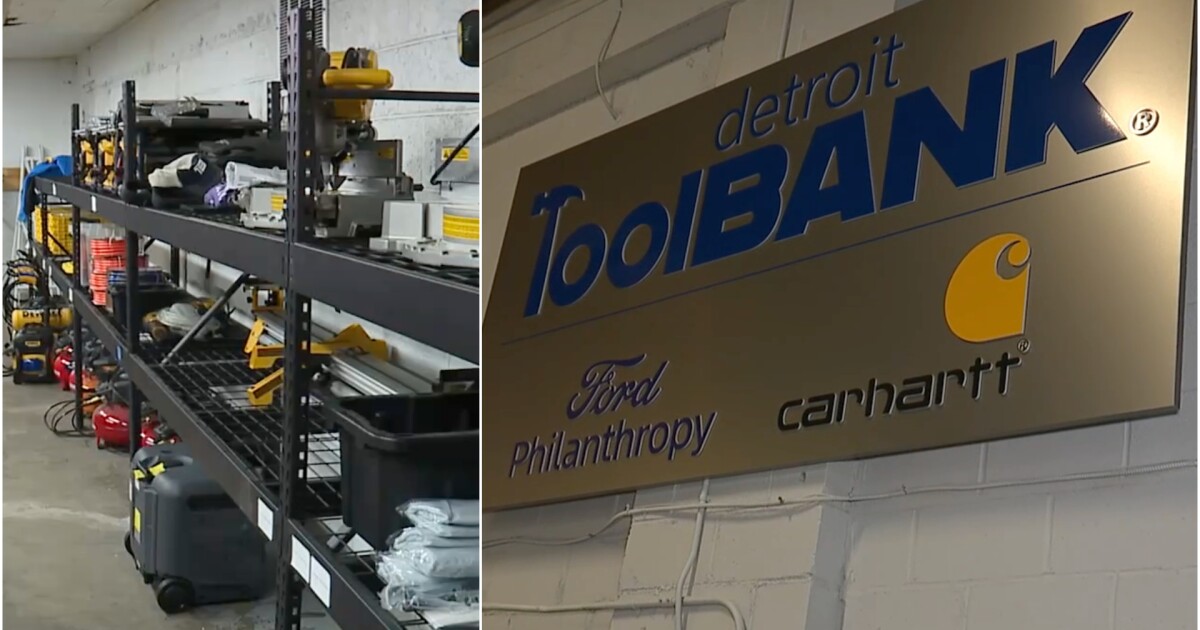
Ford Philanthropy and Carhartt opened the Detroit ToolBank in Milwaukee Junction on Tuesday, putting professional-grade tools within reach of the nonprofits, churches, schools, and neighborhood groups that can’t always afford them.
The location matters. Milwaukee Junction was Detroit’s industrial engine at the turn of the last century, the neighborhood where auto manufacturing first took root before it spread across the region. Opening a tool-lending operation there isn’t an accident. It’s the 11th affiliate of ToolBank USA’s affiliate network, a national program that’s been running tool-lending operations in cities across the country.
Dave Bartek, executive director of the Detroit ToolBank, said the model is built around one simple premise: borrow it, use it, bring it back. “Nonprofits, churches, schools that typically couldn’t afford to buy tools at cost to use them, nor do they need them, they may have projects once or twice a year, can borrow those tools from us, they return them and we maintain them,” Bartek said.
Forty cents. That’s the rental price for a $10 shovel for a full week, based on the ToolBank’s 4% handling fee structure. That number sounds almost too small to be real until you think about what a small block club or a church repair crew is actually working with budget-wise. Groups that need equipment longer can extend the rental. The inventory runs the full range: hand tools, screwdrivers, pliers, wrenches, the kind of gear that a neighborhood association would otherwise have to buy outright or skip the project entirely.
Who’s Behind It
Mary Culler, president of Ford Philanthropy, didn’t frame this as charity. She framed it as mission. “We couldn’t be more proud to be opening this Toolbank in Detroit, with our partner Carhartt. Ford Philanthropy has always been about moving people forward and upward, and this is a great community project,” Culler said.
Linda Hubbard, president and CEO of Carhartt, pointed to a working relationship between the two companies that goes back more than a hundred years. “Even in the 1920s, Carhartt actually made apparel for the factory workers at Ford,” Hubbard told reporters at the opening. That history isn’t just trivia. It’s the connective tissue between two companies that have stayed rooted in Detroit while others left. Hubbard called the ToolBank a direct investment in the nonprofits that Carhartt’s own workers and customers rely on.
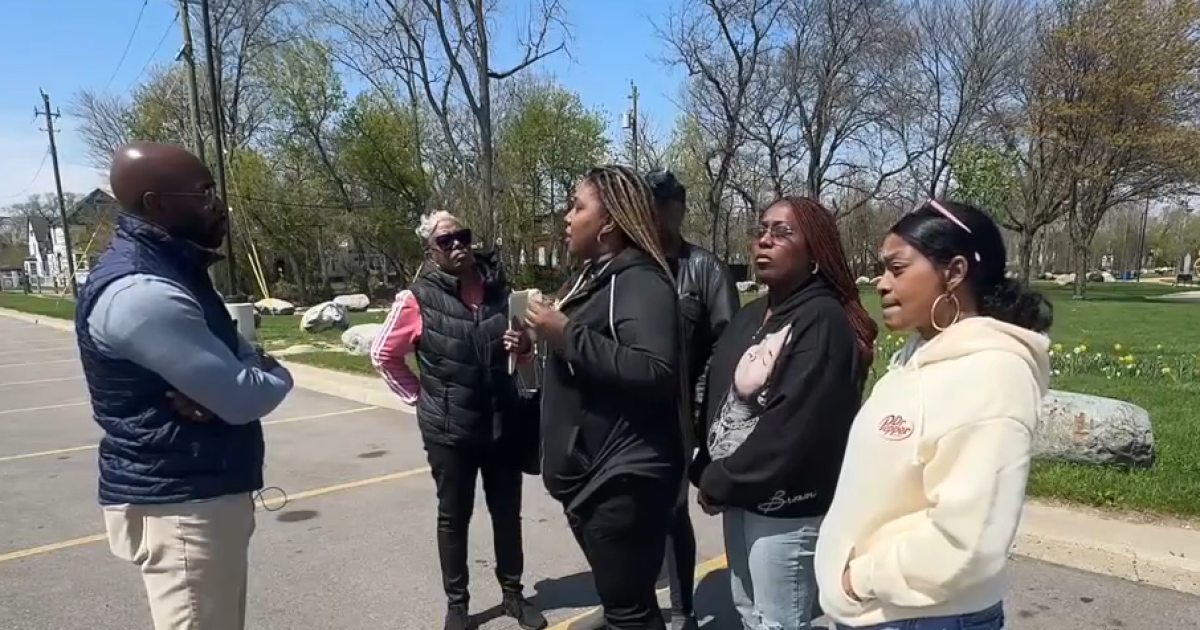
WXYZ (7 Action News) covered the Tuesday opening, with Action News reporters on the ground as officials spoke.
What It Means for Groups Doing the Work
Stephanie Osterland, executive director of Habitat Detroit, put the math plainly. Habitat Detroit has spent more than 40 years repairing homes across this city. Every dollar not going toward tools is a dollar that can go toward lumber, insulation, labor, the things that actually keep a family in a livable house. “We want our money to go into our program, into serving our families. So if I can save costs on tools versus buying them, I can rent and I can use them, that’s a lot more that I could put towards my programming, towards repairs on a house or building another home,” Osterland said.
That’s the actual argument for a place like this. It’s not that tools are expensive in isolation. It’s that they’re expensive relative to what small organizations can do with that same money if they don’t have to spend it on equipment that’ll sit in a closet between projects.
The ToolBank doesn’t just hand things out and walk away. Bartek’s team handles maintenance, which means the groups borrowing the tools don’t have to deal with a broken drill or a stripped wrench showing up halfway through a workday. That’s a detail that matters more than it sounds when you’re running a volunteer crew on a Saturday in January.
Milwaukee Junction has seen its share of development announcements over the years. Some delivered. Some didn’t. This one’s open.