Detroit City Council approved a three-year, $1.2 million contract Tuesday for a new vehicle tracking system that DDOT Director Robert Cramer says will fix the broken real-time predictions that have been sending riders to bus stops for buses that never arrive.
The software comes from San Francisco-based Swiftly, Inc., which already powers real-time tracking for SMART and the Detroit People Mover. Cramer says the rollout for DDOT should happen within 30 days.
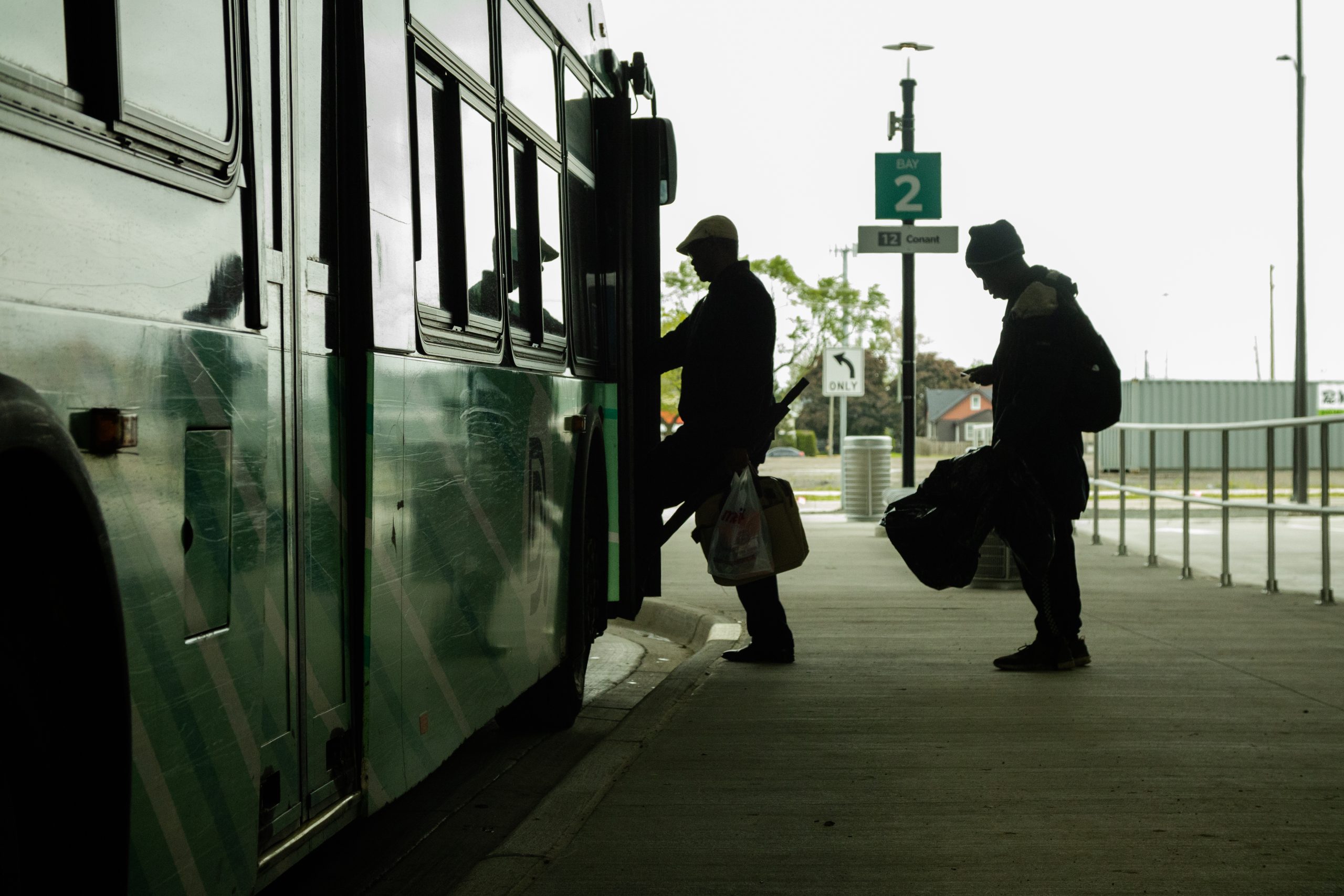
For the more than one million riders who used DDOT in March alone, that’s a meaningful shift. City data puts March 2026 ridership at 1,037,728 trips, and every one of those riders has dealt with the same broken feedback loop: open the app, watch the bus icon move along the route, walk to the stop, wait. The bus doesn’t come.
Students at Cody High School Put It in Focus
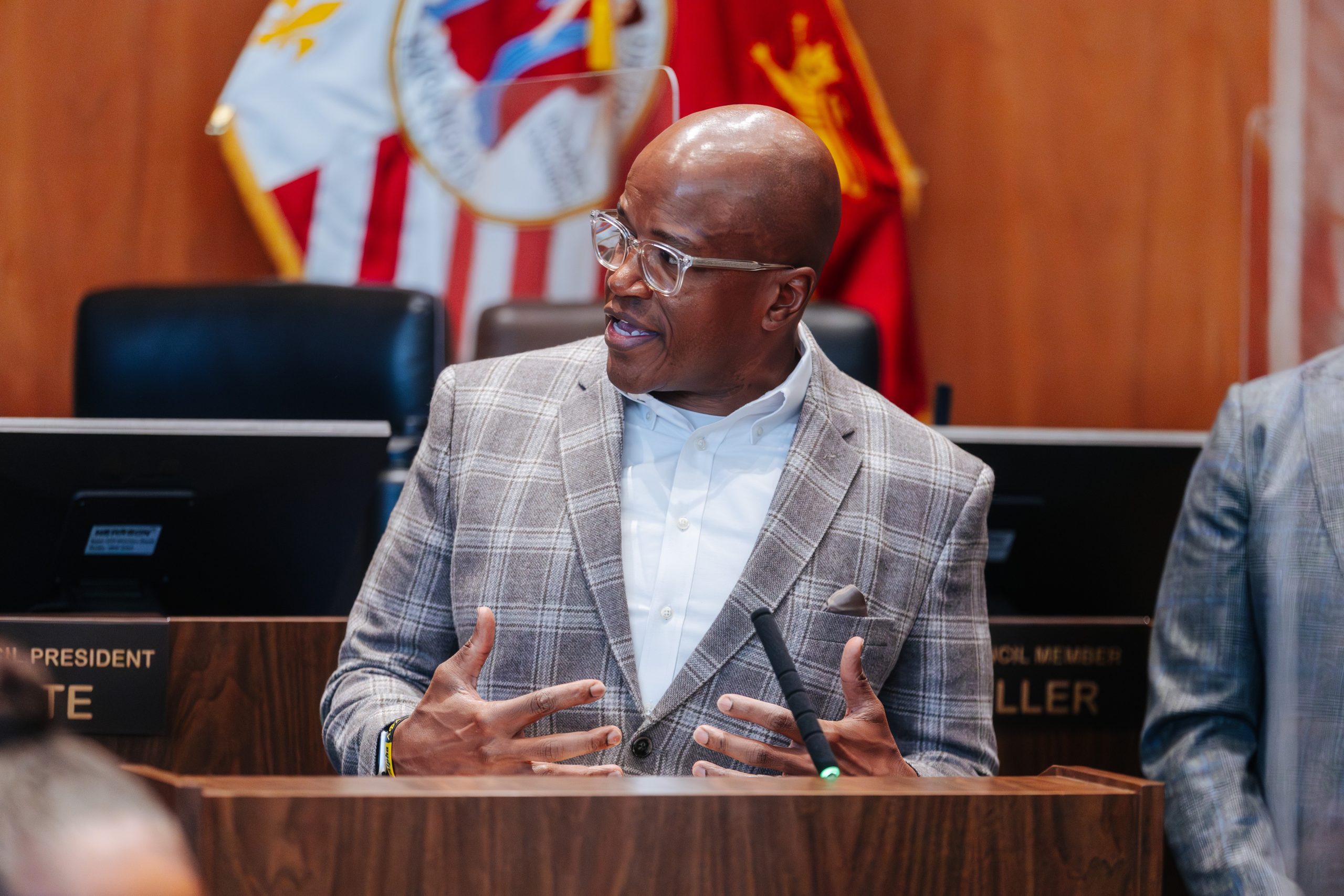
Cramer told the council that the push to fix real-time tracking came from sustained rider complaints, but a series of conversations with Detroit high schoolers made the problem impossible to ignore. “The most influential to me was with students at Cody High School,” he said Monday.
Those students weren’t just annoyed. They were losing trust in a system they depend on to get to school on time. “The biggest frustration more so than the schedule was that they were using the DDOT app,” Cramer said, describing how the app showed a bus moving along the route while students stood waiting at the stop. The bus never showed up.
Cramer said the experience “severely impacted not only their ability to use the system, but to rely on it and trust it.” For students who don’t have backup options, that’s not a minor inconvenience.
A Council Member Who Missed Her Bus Too
District 6 Council Member Gabriela Santiago-Romero said she had contacted Cramer directly after her own run-ins with the faulty system. She experienced two separate instances where DDOT’s existing tracker told her a bus was coming. It wasn’t.
“Thankfully, I had my bike, so I biked home,” Santiago-Romero told Cramer during the committee meeting, after waiting about an hour and a half. “This tracking system is really great. It really does help people plan their days and plan their transit around that.”
She thanked Cramer for taking meetings with young Detroiters. “I join their chorus of frustration,” she said Monday.
What Swiftly Actually Does
The contract is for three years at $1.2 million total. Swiftly’s platform connects vehicle GPS data to the rider-facing app in a way that actually reflects where the bus is, not where the schedule says it should be.
At SMART and with the People Mover, Cramer said, real-time arrival prediction accuracy improved by more than 30% after Swiftly came on. Customer service call turnaround for bus status updates got faster. The system also makes it easier for DDOT staff to push rider alerts tied to specific routes and stops.
Done right. That’s the version Cramer is promising Detroit riders.
Bridge Detroit’s reporting on the contract notes that Cramer implemented Swiftly at both SMART and the People Mover during his tenure there before taking over at DDOT, which means he’s not buying an untested product. He’s bringing over something he’s already watched work.
“I think people will see an immediate improvement to our ability to communicate accurately about this service on the street,” Cramer said.
What to Watch
DDOT is encouraging riders to download the Detroit Transit App, which is where the improved tracking will show up. Cramer said users will see a different symbol in the app indicating that a bus is actively being tracked, so riders can tell the difference between a real-time location and a scheduled estimate.
The Detroit Department of Transportation serves a city where a significant portion of residents rely on buses as their only transportation. Getting those predictions right is not a technical footnote. It determines whether someone makes it to work, makes it to a doctor’s appointment, or makes it to school on time.
The 30-day implementation window puts the new system on track for late May 2026. Council approval was the final hurdle, and the vote cleared it. The contract now moves to execution, and DDOT riders will find out quickly whether the promises hold when they’re standing at a stop on a Tuesday morning watching that bus icon on their screen.