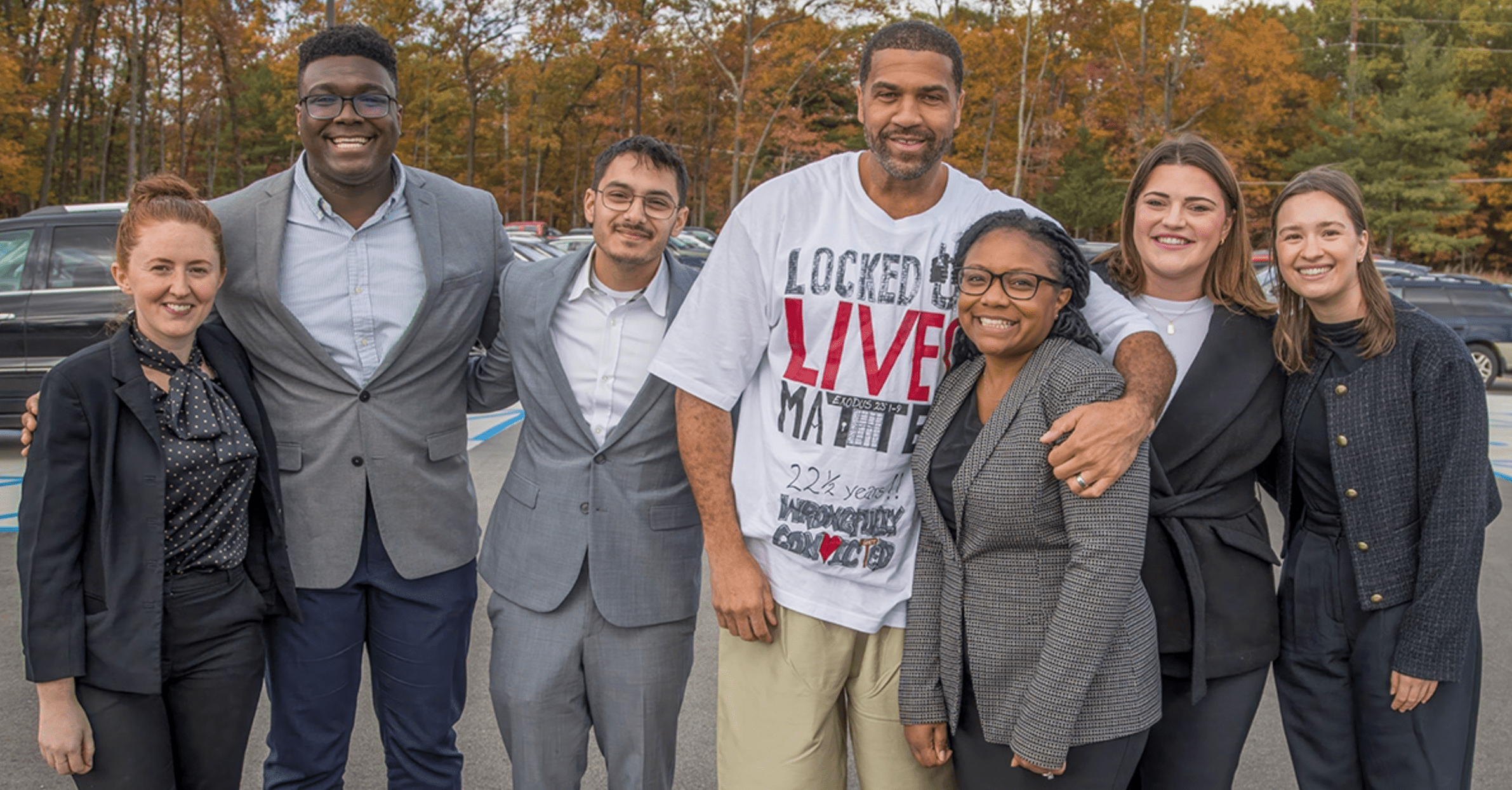
Detroit City Council approved a $4 million settlement Tuesday for LaVone Hill, a Detroit man who spent more than 22 years in prison after police officers coerced false testimony and fabricated evidence to convict him of a double murder he did not commit.
The council approved the payment without discussion. That silence, after more than two decades of a man’s life gone, is its own statement.
Hill was released from prison in October 2024 after a Wayne County judge vacated his conviction for the September 2001 murders of Dushawn Luchie Sr., 28, and Ronnie Craft, 24, who were shot and killed on Keating Street following a dice game. No physical or forensic evidence ever tied Hill to the scene. No witnesses placed him there. The case against him rested almost entirely on a statement that a DPD sergeant wrote for an illiterate detainee to sign.
How the case fell apart
The Wayne County Prosecutor’s Conviction Integrity Unit investigated Hill’s case and found it did not hold up. That investigation led directly to the judge’s decision to vacate the conviction. Hill became the 44th person freed through the work of the Michigan Innocence Clinic at the University of Michigan Law School, which has built one of the country’s most active wrongful conviction practices.
What happened on Keating Street started unraveling years before that. The initial responding Detroit Police Department investigators found no witnesses to the shooting and recovered no forensic evidence linking anyone to the crime. A few nights after the killings, police picked up an alleged witness on unrelated drug charges and held him for a week. During that detention, DPD Sgt. Walter Bates wrote a statement for the man, who couldn’t read or write proficiently, and had him sign it. The statement claimed the witness saw Hill shoot both victims while walking down the street.
At Hill’s 2002 trial, that witness recanted. He testified that Hill wasn’t present the night of the shooting and that Bates had pressured him into signing a false account. Bates testified that he had not. The jury sided with the prosecution.
Hill filed a federal lawsuit in 2026 against the city and several officers, arguing that they coerced false testimony, hid evidence, and fabricated the case against him.
“No money can replace the time”
Detroit’s Corporation Counsel Conrad Mallett Jr. told the City Council in a memo that the Law Department reviewed the suit and concluded the settlement was “in the best interest of the City of Detroit.” The council asked no questions and cast no dissenting votes.
Hill’s attorney Shereef Akeel told Bridge Detroit Tuesday that they are pleased Hill will receive “some measure of justice for a crime he never committed.”
Akeel made clear that the dollar figure doesn’t come close to covering the actual damage. “Make no mistake, no money can replace the time Mr. Hill lost being behind bars,” he said. He added that because of unique legal circumstances in the case, Hill could only be compensated for part of his time behind bars, not all 22 years.
That limitation matters. Michigan’s wrongful conviction statute, which the Legislature has amended multiple times, governs how much the state can pay out for wrongful imprisonment, and the terms of that statute do not always account for the full length of someone’s incarceration.
Hill’s words after his release
When his conviction was vacated in 2024, Hill did not spend time celebrating. He said he was happy to be free but sad for other innocent men still locked up. He also expressed grief for the families of Luchie and Craft.
“I am also very sad that the families of the victims lost their loved ones and were lied to about me being the guy who killed him,” Hill said in comments posted on the University of Michigan Law Center website through the Innocence Clinic following the 2024 decision.
The real killers of Dushawn Luchie Sr. and Ronnie Craft have not been publicly identified.
The $4 million settlement now goes to the city’s payment queue. It’s a cost Detroit taxpayers will absorb, and it’s not the first time the city has paid out for police misconduct that sent an innocent person to prison. The Wayne County Conviction Integrity Unit continues to review cases from past prosecutions, and its work has now contributed to multiple settlements that collectively represent millions in liability the city carried because of how its officers handled evidence.