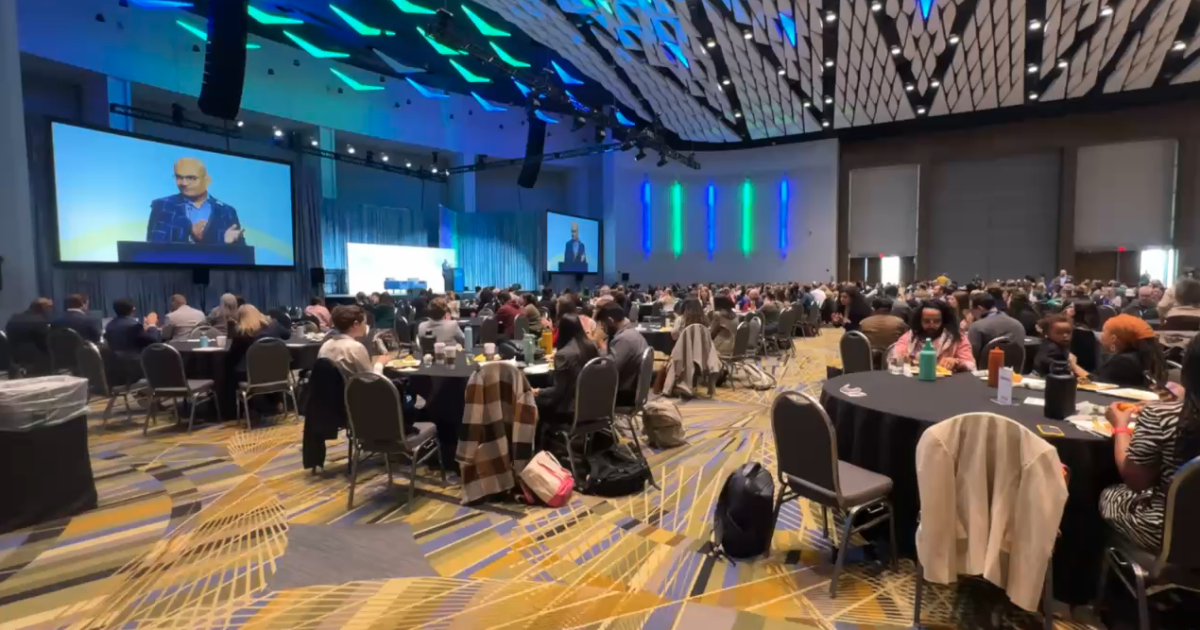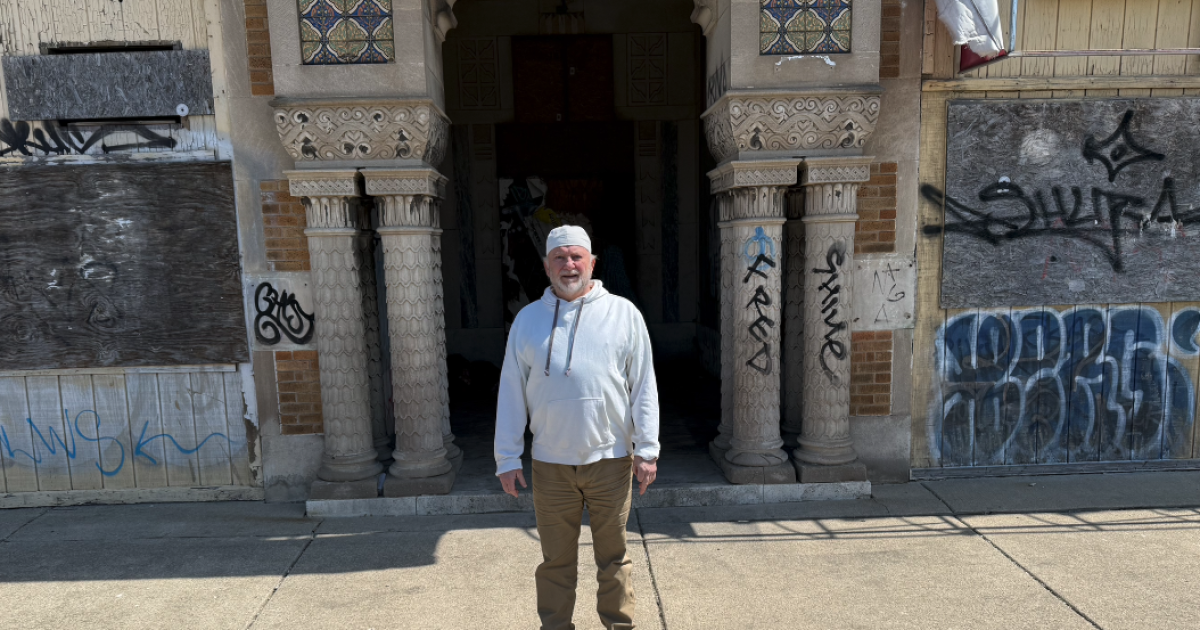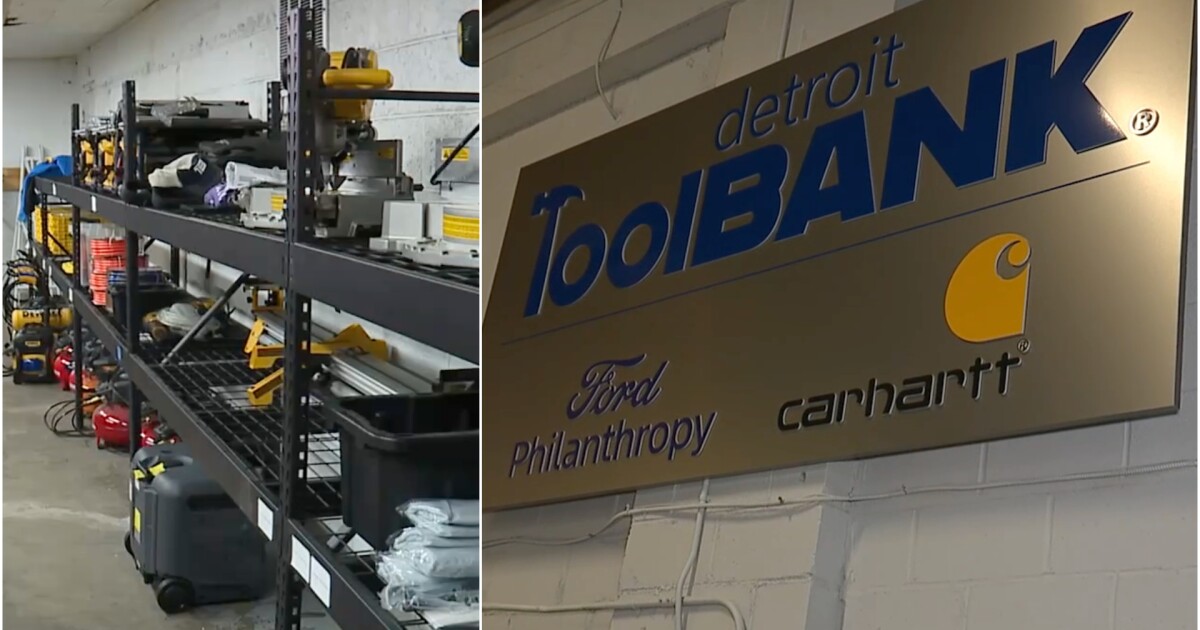
Ford Philanthropy and Carhartt have opened the Detroit ToolBank in Milwaukee Junction, giving local nonprofits, churches, schools and neighborhood groups access to professional tools at a fraction of retail cost.
The facility opened Tuesday night in a neighborhood that served as Detroit’s industrial backbone more than a century ago. It’s the 11th affiliate of ToolBank USA, a national network that has operated tool-lending programs across the country.
Dave Bartek, executive director of Detroit ToolBank, said the model is straightforward: organizations borrow what they need, return it, and the ToolBank handles maintenance. “Nonprofits, churches, schools that typically couldn’t afford to buy tools at cost to use them, nor do they need them, they may have projects once or twice a year, can borrow those tools from us, they return them and we maintain them,” Bartek said.
The pricing is built to remove barriers. Forty cents. That’s what it costs to rent a $10 shovel for a week under the ToolBank’s 4% handling fee structure, according to Bartek. Groups that need tools longer can extend the rental period. The inventory covers the full range, from hand tools to screwdrivers, pliers and wrenches, giving even small neighborhood associations access to equipment they’d otherwise have to buy outright or go without.
Who’s Behind It
Ford Philanthropy and Carhartt put up the support to make the Detroit location happen. Mary Culler, president of Ford Philanthropy, said the project fits squarely into what her organization is meant to do. “We couldn’t be more proud to be opening this Toolbank in Detroit, with our partner Carhartt. Ford Philanthropy has always been about moving people forward and upward, and this is a great community project,” Culler said.
Linda Hubbard, president and CEO of Carhartt, pointed to a working relationship between the two companies that goes back more than a hundred years. “Even in the 1920s, Carhartt actually made apparel for the factory workers at Ford,” Hubbard told reporters at the opening. “So, we’ve had different connections over the years, and this new connection is, I think, even bigger and bolder.” Hubbard described the ToolBank as a direct investment in the kinds of nonprofits that Carhartt’s workforce and customers depend on every day.
What It Means for Groups Doing the Work
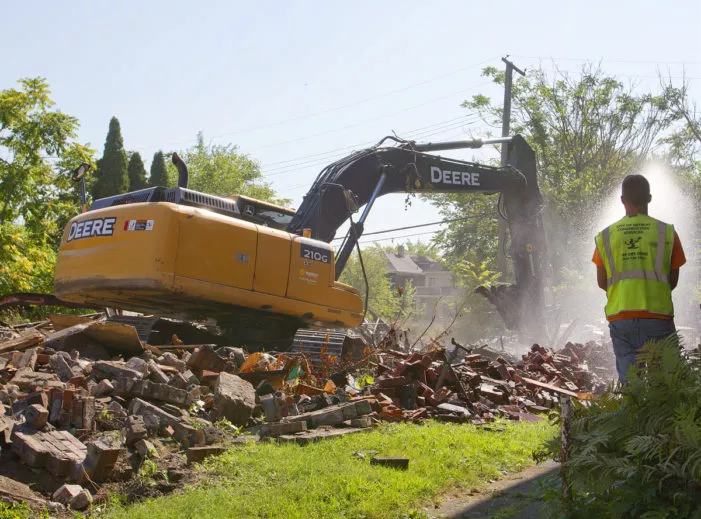
Stephanie Osterland, executive director of Habitat Detroit, said the cost savings translate directly into more homes repaired and more families served. Habitat Detroit has been repairing homes across the city for more than 40 years, and every dollar not spent on tools is a dollar that can go toward materials and labor. “We want our money to go into our program, into serving our families. So if I can save costs on tools versus buying them, I can rent and I can use them, that’s a lot more that I could put towards my programming, towards repairs on a house or building another home,” Osterland said.
The ToolBank isn’t just a storage facility. Staff are on site to teach groups how to use the equipment properly, and the organization has programs in place to help cover rental costs for groups that can’t afford even the 4% fee. As WXYZ (7 Action News) reported, the facility is structured to handle everything from a one-time neighborhood cleanup to a multi-week construction project.
First Project: Belle Isle
Ford Philanthropy, Carhartt and Detroit ToolBank wasted no time putting the inventory to work. The day after the opening, the three partners launched a project on Belle Isle involving mulching, tree trimming and the construction of 25 picnic tables. It’s the kind of high-visibility public space work that shows what community groups can pull off when they don’t have to spend their entire budget on equipment.
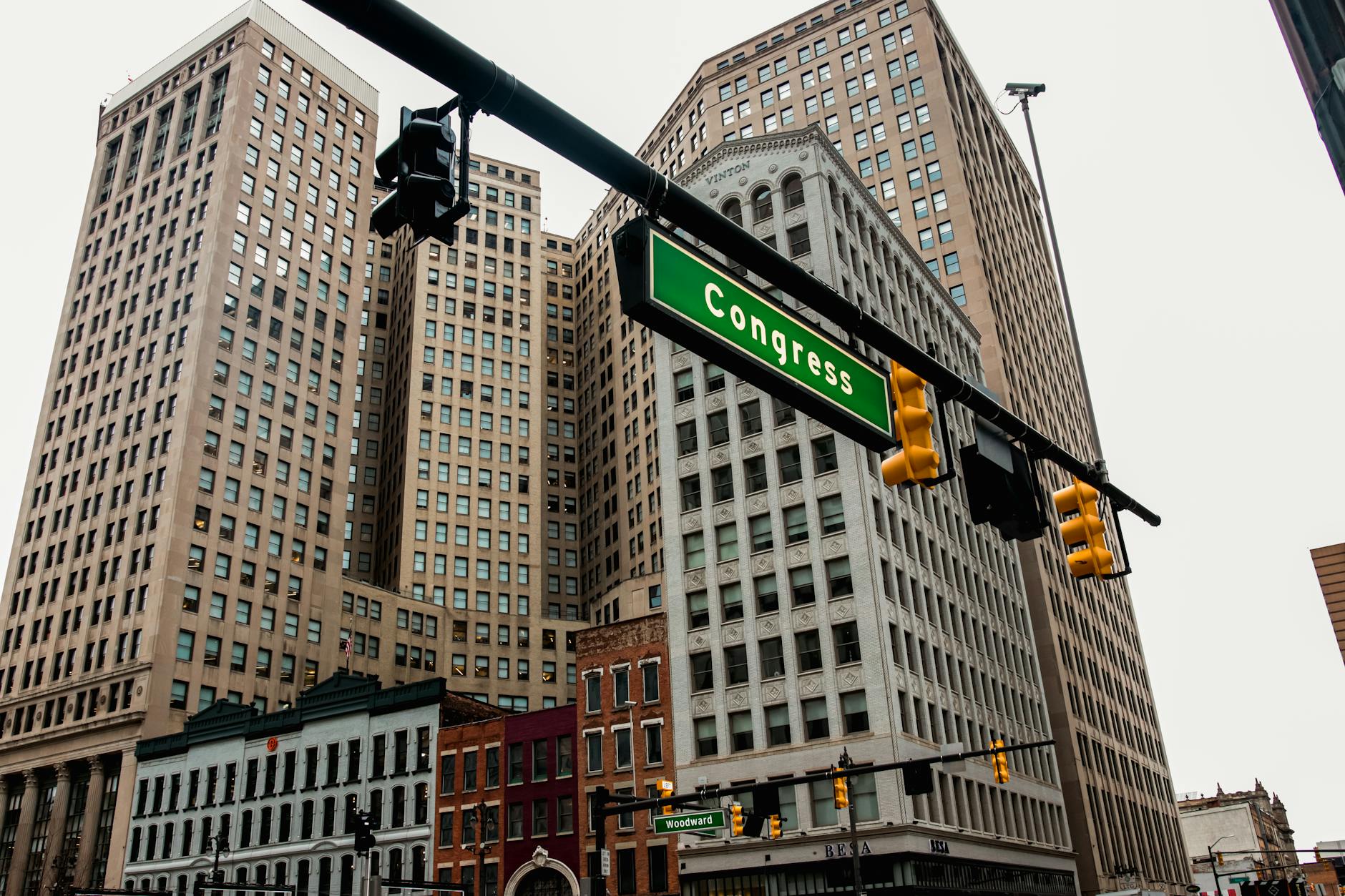
Milwaukee Junction is a fitting home for this kind of facility. The neighborhood sits near Woodward Avenue north of downtown and spent decades as a manufacturing hub before losing much of that industrial activity. The ToolBank’s presence doesn’t reverse that history, but it does put the neighborhood back in the business of supplying resources to people who build things.
Detroit-area nonprofits and neighborhood groups can learn more about membership and rental terms through ToolBank USA’s affiliate network. Organizations doing home repair work can also connect with Habitat Detroit to see how tool-sharing programs fit into broader community development pipelines. The Detroit ToolBank is accepting registrations from eligible nonprofits now.