Detroit’s main water affordability program has stopped taking new applications, leaving lower-income residents without access to a $34-a-month bill cap until at least this summer.
The Detroit Water and Sewerage Department’s Lifeline H2O plan hit its enrollment ceiling at 4,709 households. An online application form on the DWSD website now tells residents that Lifeline H2O is no longer accepting new applications and that the “next program year is expected to begin summer 2026,” though the department has not announced a specific reopening date.
That’s a long wait for households already struggling with water costs.
The program fixes monthly bills at $34 for water, sewerage, and drainage combined, and allows up to 4,500 gallons of use. It also blocks shutoffs for enrolled customers who stay current on payments. As of February 9, customers with past-due balances can apply, a rule change that expanded access to some of the city’s most financially stretched households. Previously, any overdue balance disqualified an applicant entirely.
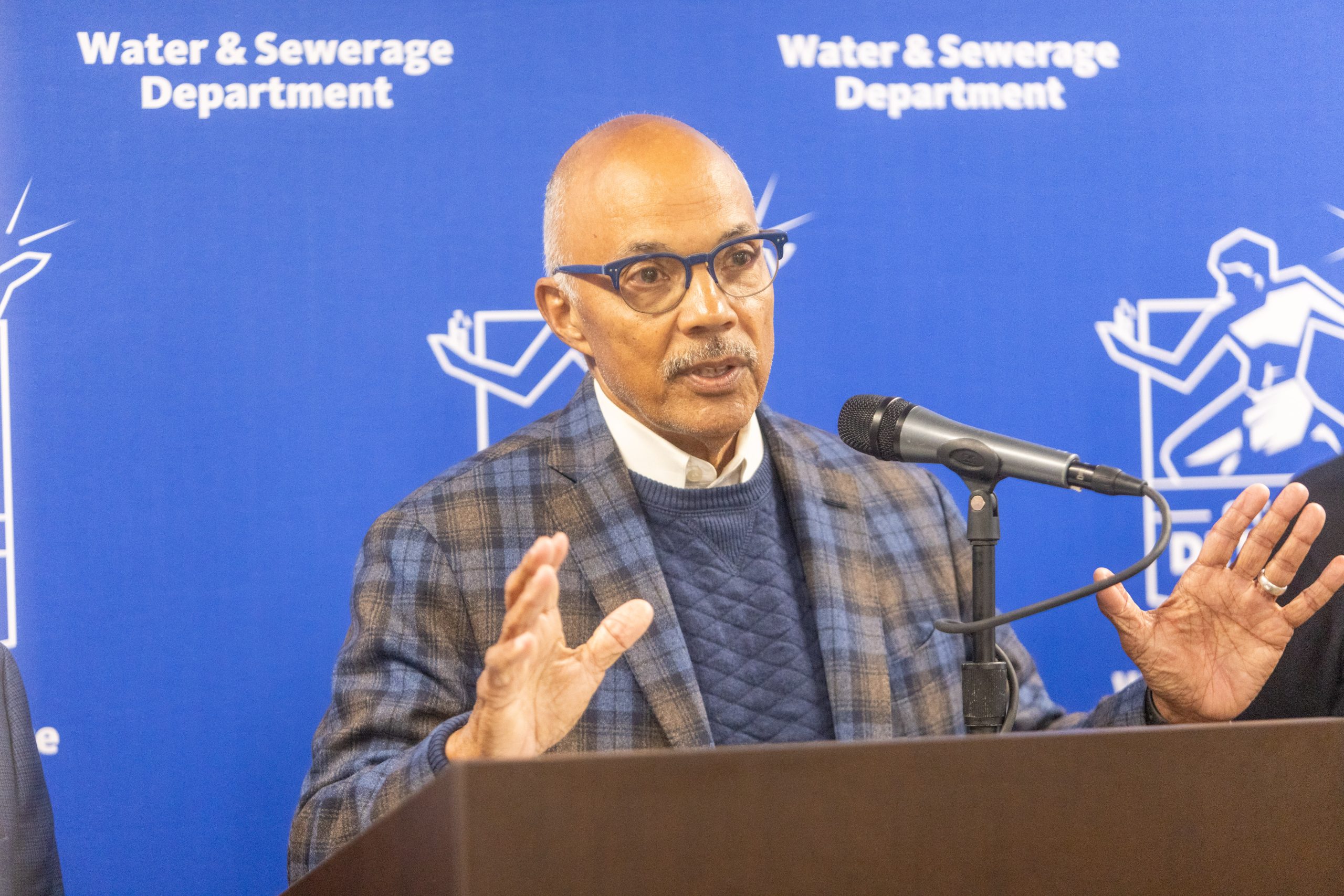
DWSD Director Gary Brown said past-due balances don’t disappear under the program, but they do get frozen. “Those balances are frozen while customers remain current on their Lifeline H2O payments, helping residents manage their monthly payments and prevent service interruptions,” Brown said in a statement.
What went wrong with the original program
The current Lifeline H2O is a much smaller successor to an earlier program that once covered nearly 30,000 Detroit households and cut bills to as low as $18 a month. That version also wiped out overdue debt entirely. It ran out of money, and DWSD had to rebuild it at a fraction of the scale, capping enrollment around 5,000 households per year while the department pursues more funding.
That gap between 30,000 and 5,000 is not a rounding error. It reflects how far the program has shrunk from its peak reach, and how many Detroit families who would have qualified a few years ago are now on their own.
Bridge Detroit reported on the closure and the department’s timeline for reopening applications.
When does it reopen, and for whom
The department is waiting on new money before it can bring the application portal back online. One expected source is the Great Lakes Water Authority’s Water Residential Assistance Program, known as WRAP, which is designed to help households pay down past-due balances and cover ongoing water and sewer bills. DWSD said that funding is expected later in 2026.
New enrollment capacity. It depends on how much money comes in and how many current participants recertify.
“Along with recertifying currently enrolled households, we anticipate being able to enroll additional households with the next batch of funding to support more Detroiters,” Brown said.
That means residents who didn’t make it in before the 4,709-household cap can’t do anything but wait.
Who qualifies
To be eligible for Lifeline H2O, an applicant must hold a DWSD account and have a household income at or below 200 percent of the federal poverty level. For a three-person family, that threshold is $54,640 a year. Applicants also need a functioning water meter at the address.
The income threshold covers a significant share of Detroit households, where the poverty rate has historically run well above state and national averages. The 4,709 slots that filled up represent a small fraction of the residents who likely meet the income criteria.
What’s coming later in 2026
Brown said DWSD plans to roll out plumbing audits and minor repair assistance later this year for enrolled households that show unusually high water use tied to plumbing problems. High usage driven by a leaky pipe or broken fixture can push bills far above the $34 cap, so that repair piece matters for households where the infrastructure itself is the problem.
The income eligibility threshold, the WRAP funding timeline, and the recertification process all affect how many people can get back into the program once applications reopen. DWSD hasn’t committed to a specific date, and a summer reopening still depends on outside funding arriving on schedule.
Residents who want to prepare an application should make sure their DWSD account is current, confirm their household income falls at or below 200 percent of the federal poverty level, and check that their water meter is working. When the portal reopens, spots will fill quickly given what happened this cycle.