Detroit is now testing more than 650 sites across the city for contamination linked to a toxic demolition dirt scandal that broke in the final days of former Mayor Mike Duggan’s administration.
That number has grown steadily since city officials first disclosed the problem, and the price tag is climbing with it. The crisis centers on fill dirt used during the city’s large-scale demolition program, which officials now believe may have spread contaminated soil to residential properties, vacant lots, and other sites throughout Detroit. While Duggan campaigns for governor across Michigan, the mess he left behind is consuming city resources and rattling neighborhoods that already carry decades of industrial pollution in their soil.
The scope of this thing is hard to overstate.
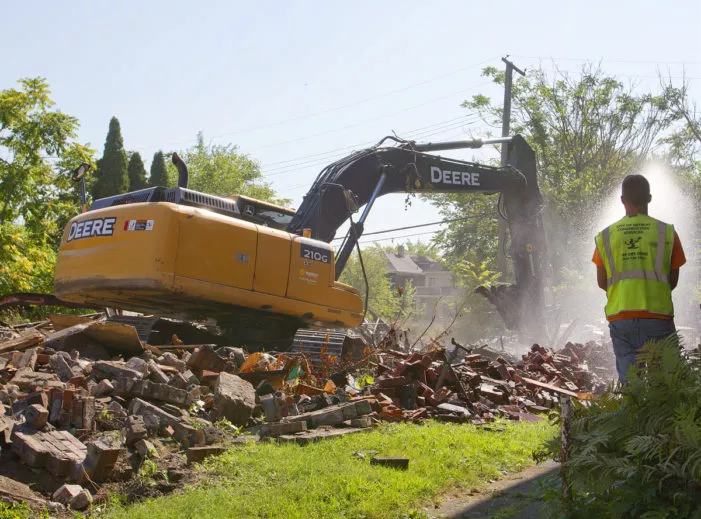
Mayor Mike Duggan launched the demolition program as a signature initiative, using federal funds to tear down thousands of blighted structures across the city. But the fill dirt used to level those sites after demolition is now at the center of a sprawling environmental investigation. City officials and residents want to know where the dirt came from, where it went, and who knew what.
Who’s Paying for This
Detroit is spending millions to test and remediate sites, according to Metro Times, with the current administration under Mayor Sheffield now managing a cleanup operation that stretches across multiple neighborhoods. The testing alone represents a significant financial burden for a city that doesn’t have money to throw around.
The contamination question matters most at the block level, where families have been gardening, letting kids play outside, and going about daily life not knowing what might be in the ground beneath them. Detroit’s east side and other areas that saw heavy demolition activity are among those now being tested. The Michigan Department of Environment, Great Lakes, and Energy has a role in overseeing contaminated site investigations in the state, though the city is running point on the scope of this particular effort.
This isn’t just an environmental story. It’s a governance story. The demolition program was a major part of Duggan’s political legacy, and the dirt scandal cuts right through it. Questions about contracting, oversight, and what city officials knew before the public disclosure are threading through this investigation, and they’re not going away while Duggan makes the rounds in Lansing.
What Neighborhoods Are Dealing With
For residents in affected areas, this is deeply personal. Contaminated soil in a city like Detroit doesn’t land in a vacuum. It lands in places that have already weathered lead paint, industrial runoff, and a century of environmental neglect. The Agency for Toxic Substances and Disease Registry documents how repeated low-level exposure to heavy metals and other industrial contaminants creates cumulative health risks, especially for children. Detroiters in affected neighborhoods don’t need a federal agency to tell them that. They’ve been living it.
The city is trying to move quickly on notifications and testing, but 650-plus sites is an enormous number. Even if testing moves at a steady pace, residents in some locations will be waiting weeks or months for results. That’s an untenable situation for anyone trying to make basic decisions about their own yard.
Sheffield’s administration inherited this problem without much of a transition warning. The announcement came in the final days of the Duggan era, which gave the incoming team almost no runway to prepare. They’re now building the remediation operation while simultaneously running it, which is exactly as hard as it sounds.
Duggan, for his part, is pressing forward with his gubernatorial campaign. He’s positioned himself as the guy who got things done in Detroit, pointing to the demolition program as Exhibit A of his executive competence. The contaminated dirt story complicates that argument in ways his campaign team can’t simply spin away. Every new site added to the testing list is another data point that the program’s oversight failed somewhere.
The city council is watching the cost figures, and community groups in affected neighborhoods are demanding straight answers about timelines. Detroit residents deserve to know whether their soil is safe, and the current administration has made clear it won’t slow-walk that process. The testing list stands at more than 650 sites and is still growing as investigators trace where demolition fill was transported and deposited across the city.