Detroit’s water affordability program has closed its application portal, and the cap that held monthly bills to $34 isn’t available to new enrollees until at least summer 2026.
The Detroit Water and Sewerage Department’s Lifeline H2O program hit its enrollment ceiling at 4,709 households. Residents who visit the DWSD website now see a message saying the program isn’t accepting new applications and that the “next program year is expected to begin summer 2026.” No specific date has been announced.
That’s a hard stop for households that can’t afford to wait.
The program caps combined water, sewerage, and drainage charges at $34 per month for up to 4,500 gallons of use. Enrolled customers who stay current on payments are also shielded from shutoffs. What changed on February 9 was the eligibility threshold: residents with past-due balances can now apply, something that wasn’t allowed before. Previously, any overdue amount on your account was an automatic disqualifier. That rule kept out some of the city’s most financially stressed residents, so the change mattered.
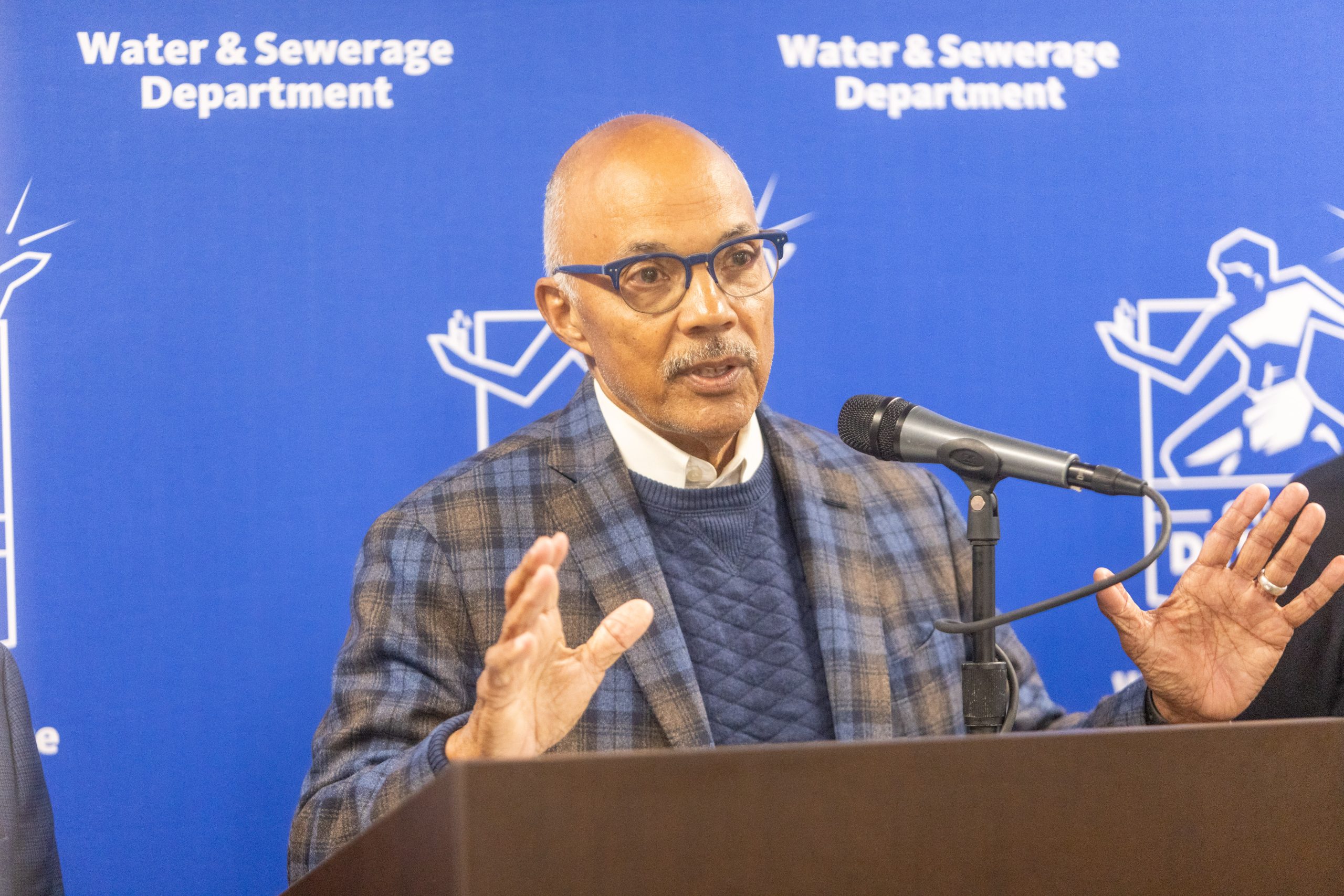
Past-due balances don’t get erased under the current program structure. They get frozen. “Those balances are frozen while customers remain current on their Lifeline H2O payments, helping residents manage their monthly payments and prevent service interruptions,” Director Gary Brown said in a statement. That’s not forgiveness, but it’s breathing room.
Brown’s description of the frozen-balance policy reflects how different this version of Lifeline is from what came before it. The earlier program once covered nearly 30,000 Detroit households and cut some bills to as low as $18 a month. It also wiped out overdue debt outright. When that program ran out of money, DWSD had to rebuild from scratch at a fraction of the scale, capping enrollment around 5,000 households annually while the department chases additional funding.
The math on that gap doesn’t soften no matter how many times you run it. Thirty thousand households down to five thousand. That’s tens of thousands of Detroiters who would’ve qualified under the old structure and now don’t have access to anything comparable. Some are managing. A lot aren’t.
Bridge Detroit reported on the closure and tracked the department’s stated timeline for reopening.
So when does the portal come back, and who gets in? The department is waiting on fresh funding before it can open enrollment again. A key expected source is the Great Lakes Water Authority’s Water Residential Assistance Program, known as WRAP. It’s designed to help households pay down past-due balances and cover ongoing water and sewer bills, and DWSD says that money is expected to arrive later in 2026.
How many new households actually get enrolled depends on two things: how much funding comes through and how many current participants recertify. Applicants who don’t meet the income threshold, at or below 200 percent of the federal poverty level, which works out to $54,640 for a family of four, won’t qualify regardless of when the portal reopens. High need and low income. Those are the two boxes you’ve got to check.
“Along with recertifying currently enrolled households, we anticipate being able to enroll additional households with the next batch of funding to support more Detroiters,” Brown said.
That statement does a lot of work. It’s cautiously optimistic, but it doesn’t guarantee capacity. If funding comes in lighter than expected, recertifications alone could eat up most of the available slots. Residents who missed the cutoff this round might find themselves in the same position come fall.
What’s clear is that the 9-month-plus window between enrollment closing and the anticipated summer restart leaves a real gap. Detroit’s water rates aren’t pausing while the program retools. Bills keep arriving. Shutoff protections don’t extend to residents who aren’t enrolled. And the income thresholds required to qualify mean the people most likely to need help are also the people least equipped to absorb months of full-rate bills while they wait.
The department hasn’t said whether it will provide any stopgap support for residents who fall in that window. For now, the message on the DWSD website says what it says.